common wh Care (Triticum aestivum)

Also known as: Bread Wheat, Wheat, Volunteer Wheat
common wh

About common wh

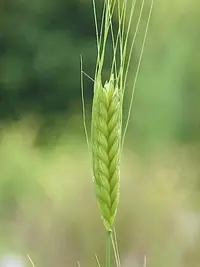
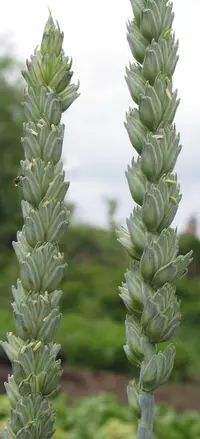
Common wheat, Triticum aestivum, is an annual grass grown mainly for its grain but it also appears in gardens and educational plantings. It forms upright, hollow stems with narrow leaves and a seed-bearing spike at the top. Plants grow in dense rows or patches, giving a simple, uniform look. This species originates from the Fertile Crescent but is now cultivated in many temperate regions worldwide. It is generally easy to grow where conditions are cool to warm, with full sun, moderate moisture, and well-draining soil. Understanding how to care for common wh helps keep plants healthy and productive in small home plots or containers.

Main Plant Requirements

Care Difficulty

Moderate Care

Light Preference

Full Sun

Water Requirements

Regular Water

Temperature Preference

Cool Climate

Hardiness Zone

3–9

Soil Texture

Loamy, Silty, Sandy

Soil pH

Acidic (5.5–6.5), Slightly acidic (6.5–7.0)

Soil Drainage

Moist but well-drained

Fertilization

Moderate (every 2–4 weeks)

Get Personalized Care Plan

Scan your plant to receive care tips personalized for your specific plant

Available on iOS and Android

How to Care for the common wh

Triticum aestivum needs strong, consistent sunlight for healthy tillering and grain fill.

  • Provide 6–8 hours of direct sun daily; full sun sites are strongly preferred for high yields.
  • It tolerates light partial shade (2–3 hours) but expect thinner stands and fewer heads if sun is reduced.
  • Protect young seedlings from extreme reflected heat in hot, dry regions, and avoid shading from tall crops or buildings during late spring when heads are forming.

Water management for Triticum aestivum focuses on steady soil moisture without waterlogging.

  • Aim for soil that is moist in the root zone but the top 2–4 cm can dry slightly between irrigations or rain events.
  • Increase watering during stem elongation and grain filling; reduce inputs as plants approach maturity and heads turn golden.
  • Watch for leaf rolling, dull gray-green foliage, or slowed growth as signs of drought stress, and yellowing lower leaves or standing water as signs of overwatering.

Temperature strongly influences growth stages and yield formation in wheat.

  • Ideal active growth occurs around 60–72°F (16–22°C), with slightly cooler conditions favoring tillering and root development.
  • Mature plants tolerate short dips to about 20°F (-6°C), but young seedlings and joints are more vulnerable to injury below 24–28°F (-4 to -2°C).
  • Growth slows above 82–86°F (28–30°C), and hot, dry winds near flowering can reduce grain set, so sowing time should avoid peak summer heat in most regions.

Humidity is not a major factor for Triticum aestivum grown outdoors or in bright, airy indoor spots.

  • Performs well at 30–60% relative humidity typical of most homes and outdoor field conditions.
  • Tolerates dry air, but prolonged hot drafts can accelerate leaf tip drying on container-grown common wh.
  • If grown indoors, ensure air movement to prevent fungal issues rather than trying to increase humidity.

Triticum aestivum prefers moderately fertile, well-structured soil that supports deep root growth and steady moisture.

  • Use a loamy, crumbly mix with 40–60% mineral soil, 20–30% compost, and some coarse sand for structure.
  • Ensure fast drainage; water should infiltrate quickly without pooling on the surface or leaving the soil waterlogged.
  • Aim for slightly acidic to neutral pH around 6.0–7.5 to keep nutrients such as nitrogen and phosphorus available.
  • Avoid heavy clay that compacts when wet; improve aeration with coarse sand or fine grit rather than extra peat.

This species can be grown in containers for ornamental or small-scale grain use if depth and drainage are managed carefully.

  • Choose a container at least 20–25 cm deep to allow fibrous roots to anchor tall stems and reduce lodging (stem bending).
  • Use a heavy or weighted pot if growing tall stands to prevent the container from tipping in wind or on balconies.
  • Elevate the pot on feet or spacers so drainage holes stay clear and excess water can escape rapidly after irrigation.

Triticum aestivum responds well to moderate, balanced nutrition during its active growth phase.

  • Use a balanced NPK fertilizer (such as 10-10-10) or well-rotted compost on nutrient-poor soils at planting.
  • Apply granular or slow-release fertilizer once at sowing or early tillering, avoiding heavy mid-season applications on fertile ground.
  • In containers, feed every 3–4 weeks at 1/2 strength during active growth, then reduce feeding as plants dry down or approach maturity.
  • Most field-grown common wh in fertile soils needs only minimal additional fertilizer beyond baseline soil fertility.

Triticum aestivum does not require traditional pruning, but limited cutting can support hygiene and easier harvest.

  • Time any cutting for late season when grain heads have matured and begun to dry on the stalks.
  • Remove obviously diseased, broken, or lodged (fallen) stems to limit fungal spread and improve airflow between plants.
  • Cut plants cleanly at or just above ground level with sharp shears or a sickle when harvesting grain.
  • Avoid repeated trimming of green foliage, since this reduces photosynthesis and lowers grain yield.

Triticum aestivum is usually direct-sown, so focus on careful transplanting only when started in trays or small pots.

  • Transplant young seedlings when they have 2–3 true leaves, before roots circle the plug or container.
  • Choose early spring or suitable fall sowing time for the region so roots establish in cool, moist soil.
  • Handle root balls gently, setting seedlings at the same depth and firming soil lightly around the roots.
  • Water immediately after transplanting, then keep soil evenly moist for 7–10 days to limit transplant shock and support root growth.

This species is propagated almost exclusively by seed rather than by cuttings or division.

  • Sow certified seed of Triticum aestivum in early spring or fall, depending on whether it is a spring or winter type.
  • Use a well-drained, fine-textured seedbed or seed-starting mix, planting seeds about 2–4 cm deep.
  • Maintain cool to mild temperatures (45–65°F) and consistent moisture until germination occurs within 5–10 days.
  • Space seedlings to avoid overcrowding, which supports stronger stems and healthier tiller development.

Winter care depends on whether the crop is a spring or winter wheat type, and on local minimum temperatures.

  • Winter wheat tolerates frost and moderate freezes once established but may suffer in exposed, windy sites without snow cover.
  • Apply a light mulch of straw in very cold, open areas to buffer soil temperature while avoiding thick, wet layers.
  • For container-grown plants in cold climates, move pots into an unheated but frost-moderated space such as a garage or cold frame.

Care Tips

Use clean seed

Select certified, disease-free seed and avoid reusing grain from a previous crop, which significantly reduces the risk of seed-borne fungi and ensures uniform emergence when trying to grow Triticum aestivum.

Plan crop rotation

Rotate wheat with non-grass crops for at least 2–3 years to break pest and disease cycles and to reduce pressure from grassy weeds that compete strongly with young plants.

Time sowing carefully

Sow slightly later in areas with heavy disease or pest pressure to avoid peak activity periods, but early enough that plants establish 3–4 tillers before hard freezes in winter-growing regions.

Optimize plant density

Adjust seeding rate to local conditions so that plants form a closed canopy without excessive crowding, which improves weed suppression and reduces lodging caused by overly dense, weak stems.

Monitor for lodging

In fertile or irrigated plots, watch for stems bending or falling over and, if lodging starts, reduce any further nitrogen inputs and consider slightly shallower irrigation cycles to keep plants more compact and stable.

Common Pests and Diseases

Hessian fly

This pest is a small midge whose larvae feed inside wheat stems, causing stunted growth, weakened plants, and reduced grain production.

Solution

Use resistant wheat varieties when available, rotate out of wheat and other host grasses for at least 1–2 years, and destroy volunteer wheat plants after harvest to break the life cycle; in small plantings, remove and dispose of heavily infested plants before larvae complete development.

Russian wheat aphid

These insects are small sap‑sucking aphids that cause rolled, streaked, and bleached leaves, leading to reduced tillering and yield loss.

Solution

Encourage natural predators such as lady beetles, avoid excessive nitrogen that favors aphid buildup, and, for small areas, wash aphids off with a firm water spray or remove heavily infested tillers; in field settings, monitor regularly and, only when thresholds are exceeded, use a selective insecticide following local extension guidelines.

leaf rust

This disease is caused by the fungus Puccinia triticina and produces orange‑brown powdery pustules on leaves, reducing photosynthesis and grain fill.

Solution

Plant resistant or tolerant cultivars, avoid overly dense sowing to improve airflow, and remove volunteer wheat that can harbor the fungus; in larger plantings, apply a labeled foliar fungicide preventively or at early symptom appearance according to local agronomic recommendations.

powdery mildew

This disease appears as white, powdery fungal growth on leaves and stems, which can coalesce, yellow the foliage, and reduce grain yield in cool, humid conditions.

Solution

Choose resistant varieties when possible, reduce humidity and leaf wetness by avoiding excessive plant density and evening overhead irrigation, and remove severely infected foliage or small plants; in field crops, apply a suitable fungicide early in the infection period if conditions favor spread.

Fusarium head blight

This disease, often caused by Fusarium graminearum, leads to premature bleaching of wheat heads, shriveled kernels, and possible contamination with mycotoxins harmful to humans and animals.

Solution

Use resistant or moderately resistant varieties, avoid planting wheat after corn or other Fusarium hosts, and manage crop residue to reduce inoculum; in areas with wet, warm weather during flowering, apply a labeled fungicide at early flowering and harvest promptly to limit disease and mycotoxin buildup while following careful Triticum aestivum plant care practices.

Interesting Facts

Global staple crop

Common wheat is the most widely cultivated wheat species and provides a major share of dietary calories and protein for humans worldwide, especially through bread, pasta, and noodles.

Hexaploid genome structure

Triticum aestivum has a hexaploid genome, meaning it carries six sets of chromosomes derived from three ancestral grass species, which contributes to its adaptability and baking quality.

Gluten and baking quality

This species produces gluten proteins with viscoelastic properties that allow dough to stretch and trap gas, which is why it is the primary wheat used for leavened bread.

Botan icon

Did you know?

The complete reference genome of Triticum aestivum is among the largest fully sequenced crop genomes, and decoding it required international collaboration to support breeding for yield, disease resistance, and climate resilience.

FAQs about common wh

Yes, the grain is widely eaten as flour, bulgur, and other products. Young sprouts are sometimes consumed as wheatgrass. People with gluten sensitivity or celiac disease must avoid it, as the grain naturally contains gluten proteins.

Grow Healthy Plants with Botan Care

Keep your plants happy and healthy with plant identification, disease detection, and easy care guidance.

Botan plant care app — identify plants on mobile

Explore More Plants