Staggered planting
Plant small batches every 4–6 weeks during the warm season so harvests are spread out and you can adjust spacing and variety choice based on how each earlier planting performs in your soil.

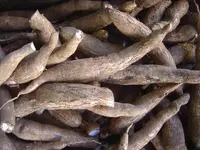
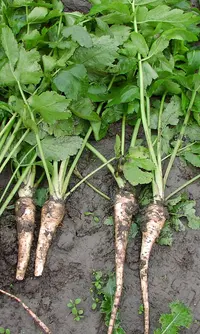
Cassava, Manihot esculenta, is a fast-growing tropical shrub mainly cultivated for its large, starchy tuberous roots. It has slender, upright stems and distinctive palmate leaves with narrow lobes, giving it a sparse, airy look.
This species is native to South America but is now widely grown in tropical and subtropical regions as a staple food crop. It is generally hardy in warm climates, tolerating poor soils and short dry periods, which can make it relatively easy to care for cassava in suitable outdoor conditions.
Cassava prefers full sun, warmth, and well-drained soil, and it does not tolerate frost or prolonged waterlogging.

Care Difficulty
Moderate Care

Light Preference
Full Sun

Water Requirements
Moderate Water

Temperature Preference
Tropical / Frost Sensitive

Hardiness Zone
9–12

Soil Texture
Sandy, Loamy, Organic-rich

Soil pH
Acidic (5.5–6.5), Slightly acidic (6.5–7.0)

Soil Drainage
Well-drained

Fertilization
Light (every 4–6 weeks)
Scan your plant to receive care tips personalized for your specific plant
Available on iOS and Android
Manihot esculenta performs best in bright, warm sites with strong but managed sun exposure.
Manihot esculenta needs consistent moisture in well-drained soil without prolonged saturation.
This tropical root crop prefers warm, stable temperatures for reliable growth and tuber formation.
Humidity influences leaf health but Manihot esculenta grows reliably in a wide range of household and outdoor conditions.
Soil choice strongly affects root development and tuber yield in Manihot esculenta.
This species can be grown in containers, but only large, well-managed pots support decent tuber formation.
This species benefits from moderate feeding in warm months to support root production, but excessive nitrogen reduces storage root quality.
Pruning helps manage size and structure of Manihot esculenta, especially in small gardens or container plantings.
This crop is usually grown in-ground, so care focuses on site preparation and gentle transplanting rather than frequent repotting.
New plants are most often produced from stem cuttings, although Manihot esculenta can also be grown from seed for breeding.
This tropical root crop is very frost-sensitive and demands careful winter management in cooler climates.

Plant Health Check
Not sure what's wrong with your plant? Check your plant's health inside the app.
Cassava roots and leaves naturally contain cyanogenic glucosides, compounds that can release hydrogen cyanide, which is why traditional processing methods like soaking, fermenting, and thorough cooking are essential to make them safe to eat.
Cassava is one of the most important staple crops in the tropics because it produces reliable yields in poor, acidic soils and under irregular rainfall, supporting hundreds of millions of people where other crops often fail.
This species can withstand extended dry periods by slowing growth, dropping some leaves, and storing reserves in its thickened roots, then resuming active growth when moisture returns, which is a key aspect of Manihot esculenta care in marginal climates.

Cassava was first domesticated in South America thousands of years ago, likely in the southern Amazon basin, and was later spread across the tropics by trade and colonial expansion, becoming a staple in Africa and Asia despite being originally a New World crop.
The starchy roots are edible only after thorough cooking, which destroys naturally occurring cyanide compounds. Leaves can be eaten in some cuisines but also require proper boiling. Never eat this plant raw or undercooked.
Keep your plants happy and healthy with plant identification, disease detection, and easy care guidance.