Use cool conditions
Maintain consistently cool conditions around 39–50°F during both day and night to match this species’ natural high-altitude habitat and improve tuber formation for breeding or conservation work.

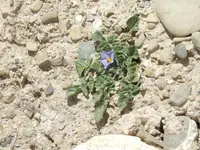
Solanum acaule is a wild potato species, closely related to the cultivated potato but not usually grown for food. It forms low, spreading mounds with divided green leaves and small flowers that can be white, lilac, or purple. Underground, it produces small tubers that help it survive cold conditions. In nature, it occurs mainly in high Andean regions of South America, where it tolerates low temperatures and strong light. Gardeners value it mostly for breeding and study rather than for ornamental use. Its toughness in poor, cool soils can make it resilient, but it is not a typical beginner’s plant. Anyone who wants to care for Solanum acaule should be comfortable working with less common, experimental crops.

Care Difficulty
Hard Care

Light Preference
Full Sun

Water Requirements
Regular Water

Temperature Preference
Cold Hardy

Hardiness Zone
2–6

Soil Texture
Sandy, Loamy, Organic-rich

Soil pH
Acidic (5.5–6.5), Slightly acidic (6.5–7.0)

Soil Drainage
Well-drained

Fertilization
Light (every 4–6 weeks)
Scan your plant to receive care tips personalized for your specific plant
Available on iOS and Android
This high Andean wild potato prefers bright, cool conditions with strong light but not harsh heat.
This species prefers evenly moist, cool soil rather than frequent heavy soakings.
This cold-tolerant wild potato thrives in cool climates and struggles in sustained heat.
This species prefers moderately cool, slightly moist air rather than very dry indoor conditions.
Solanum acaule performs best in loose, well-aerated, cool soil with steady but not stagnant moisture.
This species can be grown in containers if the pot is deep, stable, and managed to keep roots cool and evenly moist.
This high-altitude wild potato generally manages with minimal feeding in open ground.
Pruning needs are light and mainly hygienic for this species.
This species is usually grown in-ground or in research plots, with infrequent need for container repotting.
Propagation of this wild potato is commonly done by both seed and vegetative methods in cultivation.
This high-Andean species is cold tolerant but still benefits from thoughtful winter management in cultivation.

Plant Health Check
Not sure what's wrong with your plant? Check your plant's health inside the app.
This wild potato species survives at high elevations in the Andes where temperatures regularly drop below freezing, showing strong frost tolerance compared with cultivated potato.
Plant breeders use this species as a genetic resource to introduce resistance to late blight, viruses, and nematodes into modern potato varieties.
It occurs naturally in high-altitude habitats of Bolivia, Peru, and northern Argentina, often growing in open puna grasslands and rocky slopes.

Genetic studies show that this species is closely related to several other wild potatoes in the Solanum brevicaule complex, and its DNA has helped scientists reconstruct the evolutionary history and domestication pathways of the cultivated potato.
Yellowing leaves usually come from waterlogged soil, nutrient deficiency, or natural aging of older foliage. Check drainage, avoid constant sogginess, and consider a balanced, low-dose fertilizer. Also inspect roots for rot and leaves for pest damage.
Keep your plants happy and healthy with plant identification, disease detection, and easy care guidance.