Staggered sowing
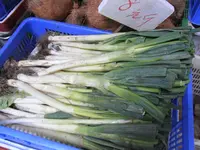
Sow small batches every 2–3 weeks in early spring so harvests overlap and stalk quality stays high instead of having a single glut that quickly turns stringy.

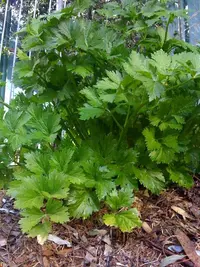
Wild celery, Apium graveolens, is a cool-season herbaceous plant grown for its crisp stalks, aromatic leaves, and flavorful seeds. It forms upright clumps with ribbed, succulent stems and finely divided foliage.
In the wild, it occurs in damp habitats such as marsh edges, riverbanks, and wet meadows, especially in temperate regions. Domesticated forms are more compact and uniform than their wild relatives.
This species can be moderately challenging, as it dislikes heat stress, drying out, or very poor soil. It favors consistent moisture, rich, well-drained soil, and mild conditions, so understanding how to care for wild celery helps keep plants productive.

Care Difficulty
Moderate Care

Light Preference
Full Sun

Water Requirements
Keep Soil Moist

Temperature Preference
Cool Climate

Hardiness Zone
3–10

Soil Texture
Loamy, Silty, Organic-rich

Soil pH
Acidic (5.5–6.5), Slightly acidic (6.5–7.0)

Soil Drainage
Moist but well-drained

Fertilization
Moderate (every 2–4 weeks)
Scan your plant to receive care tips personalized for your specific plant
Available on iOS and Android
Celery (Apium graveolens) needs consistent light to build strong, flavorful stalks.
Celery requires steadily moist soil, as shallow roots dry out quickly.
Stable, cool to mild temperatures help celery produce crisp stalks and healthy foliage.
This species prefers moderate humidity but usually adapts to typical outdoor levels in temperate regions.
Celery needs consistently moist, fertile, well-aerated soil to form thick, crisp stalks.
This species can be grown successfully in containers if given enough depth and steady moisture.
Apium graveolens benefits from steady, light feeding to support leafy growth and crisp petioles.
Apium graveolens needs only light pruning focused on harvesting and hygiene rather than shaping.
Celery is usually transplanted from seedlings rather than long-term container culture, so focus on careful timing and minimal root disturbance.
Celery is most commonly propagated from seed, which allows dense production of uniform Apium graveolens plants.
Celery is a cool-season crop but is not truly frost-hardy in most climates and needs simple measures for extended harvests.

Plant Health Check
Not sure what's wrong with your plant? Check your plant's health inside the app.
Apium graveolens includes both the common stalk celery used for petioles and leaves and the celeriac form selected for its swollen, edible hypocotyl, yet both belong to the same botanical species with different selection histories.
Its small, white-green flowers are arranged in compound umbels and are mainly pollinated by flies, bees, and other small insects that are attracted to the plant’s nectar and pollen in open, sunny habitats.
Wild populations of this species are naturally associated with brackish marshes, coastal wetlands, and other moist, saline or periodically flooded soils, which explains its relatively high tolerance to soil salinity compared with many other vegetables.

The distinctive aroma and flavor of this species come largely from volatile phthalides and terpenes such as sedanolide and limonene, compounds that are concentrated in the leaves and seeds and are important to the food and flavoring industry worldwide.
All parts of this species are edible when correctly identified and grown in clean conditions. Stems and leaves are used fresh or cooked, while seeds can flavor dishes. Always distinguish it from similar, poisonous umbellifer relatives.
Keep your plants happy and healthy with plant identification, disease detection, and easy care guidance.