finger millet Care (Eleusine coracana)

Also known as: African Finer Millet
finger millet

About finger millet

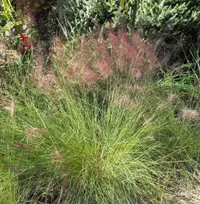
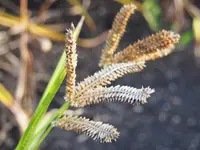
Finger millet, Eleusine coracana, is a small-grained cereal grass grown mainly for its nutritious seeds. It forms clumps of slender, upright stems topped with distinctive finger-like seed heads.

This species is native to East Africa and widely cultivated in parts of Africa and South Asia, especially in dry, marginal areas. It is valued for drought tolerance, modest nutrient needs, and resilience to many common pests and diseases, which makes it relatively easy to grow in suitable climates.

It prefers full sun, moderately moist but well-drained soil, and performs best in warm conditions, which is important to understand when learning how to care for finger millet.

Main Plant Requirements

Care Difficulty

Moderate Care

Light Preference

Full Sun

Water Requirements

Regular Water

Temperature Preference

Tropical / Frost Sensitive

Hardiness Zone

9–12

Soil Texture

Sandy, Loamy, Organic-rich

Soil pH

Acidic (5.5–6.5), Slightly acidic (6.5–7.0)

Soil Drainage

Well-drained

Fertilization

Minimal (feed rarely)

Get Personalized Care Plan

Scan your plant to receive care tips personalized for your specific plant

Available on iOS and Android

How to Care for the finger millet

Eleusine coracana needs strong, consistent sun to form dense, productive grain heads.

  • Provide 6–8 hours of direct sun daily; full sun is best, especially in spring and early summer for robust tillering and head formation.
  • Tolerates light partial shade (2–3 hours) in late afternoon, but prolonged shade reduces yield and causes weak, floppy stems.
  • In hot regions, favor morning sun with light afternoon shade to limit leaf scorch and soil moisture loss, especially during dry, windy periods.

This warm-season cereal grass prefers steady soil moisture without long dry spells or standing water.

  • Water when the top 3–5 cm of soil feel dry; soil should feel moist but not sticky or waterlogged after irrigation.
  • During active growth and heading, avoid letting plants wilt or leaves roll tightly, which indicates drought stress and reduced grain fill.
  • Use well-drained loam or sandy loam; puddling or a sour smell signals poor drainage and potential root rot, especially problematic for Eleusine coracana.

This species thrives in warm conditions and is sensitive to prolonged cold or frost.

  • Optimal growth occurs at 77–86°F (25–30°C); germination and early seedlings perform best above 68°F (20°C).
  • Plants tolerate up to about 95°F (35°C) if soil moisture is maintained, but hot, dry winds can stress foliage and reduce grain set.
  • Growth slows sharply below 59°F (15°C); light frosts can damage leaves, while hard frost below 30°F (-1°C) can kill plants outright.

Humidity is rarely critical for Eleusine coracana, which thrives in typical outdoor air in most regions.

  • Target 30–60% air humidity; the plant remains productive even toward the lower end of this range.
  • It tolerates dry air well, but extended hot, very dry winds can slow growth and reduce flowering heads in finger millet.
  • Watch for rolled or drooping leaves and pale, scorched tips as signs of humidity and heat stress, and use windbreaks or light overhead misting during extreme dryness.

Eleusine coracana prefers moderately fertile, well-drained, slightly loose soil that never stays waterlogged.

  • Use a sandy loam or loam with 20–30% coarse sand plus 10–20% mature compost to support root spread and nutrient supply.
  • Aim for pH 6.0–7.5; where soil is acidic, incorporate agricultural lime gradually and retest before sowing.
  • Improve drainage and aeration by adding coarse sand or fine gravel on heavy ground and forming low ridges or raised rows.
  • Avoid compacted clay, sites that hold puddles for more than 1–2 hours after rain, or thick layers of undecomposed manure that can burn young roots.

This species can be grown in containers, mainly for small-scale trials or ornamental use rather than full-yield grain production.

  • Choose a wide, 20–30 cm deep container to allow clump expansion and reduce the risk of plants drying out between waterings.
  • Select a heavy pot material or add a layer of gravel at the base to increase stability against wind as the seed heads develop.
  • Use a fast-draining mix and elevate the pot on feet or bricks so all drainage holes clear water quickly after irrigation or rain.

Eleusine coracana responds well to moderate, balanced nutrition during active growth.

  • Use a balanced NPK granular or slow-release fertilizer, or well-rotted compost, mixed into the topsoil before sowing or early in the season.
  • Apply fertilizer 1–2 times during the main growing period, avoiding heavy doses that cause weak, lush foliage.
  • Dilute liquid feeds to 1/2 strength if used, and always water afterward to prevent root burn.
  • In cooler months or after grain maturity, stop feeding and allow plants to finish their life cycle naturally.

Pruning needs for Eleusine coracana are minimal and mainly hygiene focused.

  • Cut back dry, damaged, or diseased leaves and stems with clean, sharp scissors or pruning shears to limit fungal problems.
  • After grain harvest, remove spent seed heads and stalks to tidy the area and reduce volunteer seedlings next season.
  • Thin overly crowded clumps at ground level to improve airflow and reduce lodging, where stems bend or fall.
  • Dispose of diseased material away from the plot to lower the risk of recurring infections.

Eleusine coracana is usually field-grown, so transplanting young seedlings is more relevant than long-term container repotting.

  • Transplant when seedlings have 2–3 true leaves and roots hold the plug together but are not tightly circling.
  • Aim to move plants in warm, stable weather, typically late spring after soil has warmed sufficiently.
  • Space transplants to allow airflow and light penetration, reducing competition and disease pressure in maturing plants.
  • Water thoroughly before and after transplanting, and shade lightly for 2–3 days to limit transplant shock and root stress.

Propagation of Eleusine coracana is almost always done from seed rather than vegetative methods.

  • Sow viable seed in late spring when soil temperatures reach about 68–75°F for reliable germination.
  • Use a fine, well-drained seedbed or tray mix, covering seed very lightly and keeping it evenly moist, not waterlogged.
  • Provide full sun and consistent warmth; seedlings usually emerge within 7–14 days under good conditions.
  • Thin or prick out crowded seedlings to give each plant enough space for strong root and tiller development.

This warm-season annual grass does not need complex winter care because plants usually die back after seed production.

  • In regions with frost, treat stands as seasonal and remove residues after they dry, leaving some roots to stabilize soil.
  • For research plots or seed saving, store harvested dry seed indoors in a cool, low-humidity place over winter.
  • Container-grown plants in cool climates can be discarded after harvest and restarted from seed the following warm season.

Care Tips

Row orientation

Align sowing rows north–south so plants receive more even light on both sides, which helps heads fill more uniformly when growing finger millet in open beds or field plots.

Timed nitrogen split

Apply nitrogen in 2–3 small split doses, with the final application just before panicle emergence, to support grain formation without causing excessive leafy growth or lodging.

Early weed knockdown

Use a pre-emergent herbicide or a shallow hoeing 7–10 days after sowing, then repeat once more before tillering, so the slow-starting seedlings are not outcompeted during their critical establishment phase.

Lodging prevention

In windy or exposed sites, keep plants in slightly closer rows and avoid late heavy watering or fertilizing, which reduces stem softness and helps the crop stay upright until harvest.

Staggered harvest

Inspect ear heads every few days and harvest in 2–3 passes, cutting the most mature panicles first so shattering losses are reduced and grain dries more evenly for storage.

Common Pests and Diseases

Blast

This disease causes small, diamond- to spindle-shaped lesions on leaves, necks, and panicles that can lead to poor grain filling and plant lodging. Symptoms include gray or whitish lesion centers with dark borders that may coalesce under humid conditions.

Solution

Remove and destroy heavily infected crop residues, avoid dense sowing, and ensure good air movement through appropriate spacing. Use seed treated with a registered fungicide where available, apply targeted fungicide sprays at early panicle emergence in high-risk, humid areas, and select resistant varieties when planning how to take care of finger millet in regions with frequent blast outbreaks.

Brown leaf spot

This disease produces small, circular to oval brown lesions on leaves, which can merge into larger patches and reduce photosynthetic area. Symptoms include premature leaf drying in stressed or nutrient-poor plants.

Solution

Use clean, disease-free seed and rotate with non-cereal crops to reduce inoculum. Improve soil fertility, especially balanced nitrogen and potassium, remove severely affected leaves or plants, and where available, apply a suitable protective fungicide early in the season when first spots appear.

Downy mildew

This disease leads to yellowing or chlorosis along leaf veins, with a downy, grayish fungal growth on the undersides during humid weather. Symptoms include stunted growth and malformed or sterile panicles.

Solution

Plant resistant or tolerant varieties and avoid growing finger millet repeatedly in the same field. Use certified seed, treat seed with an appropriate systemic fungicide, rogue and destroy diseased plants early, and improve drainage and spacing to reduce leaf wetness duration.

Stem borer

This pest bores into stems, causing deadhearts in young plants and white, empty panicles in later stages. These insects weaken stems internally, which reduces plant vigor and grain yield.

Solution

Destroy crop residues after harvest to remove overwintering larvae, and avoid late sowing that favors peak moth activity. Use pheromone traps to monitor moths, hand-remove and destroy infested tillers where feasible, encourage natural enemies by reducing broad-spectrum insecticide use, and, if needed, apply a targeted stem borer insecticide at early infestation stages based on local extension guidance.

Shoot fly

This pest attacks young seedlings and tillers, where maggots feed inside the central shoot causing deadhearts and reduced tillering. Symptoms include dried central leaves that can be pulled out easily, often with a pinched basal end.

Solution

Sow at the recommended time to avoid peak fly populations and use slightly higher seed rates, then thin out visibly damaged seedlings. Remove and destroy deadheart tillers, keep fields free of grassy weeds that harbor flies, and, if pressure remains high, use seed treatment or early-stage foliar sprays with an approved systemic insecticide following local recommendations for growing finger millet.

Interesting Facts

Ancient domesticated cereal

Finger millet was domesticated in the Ethiopian highlands several thousand years ago and later spread to India, where it became a staple dryland cereal adapted to semi-arid farming systems.

Exceptional calcium content

The grains have notably high calcium levels compared with major cereals such as rice, wheat, and maize, which is why they are often recommended in nutrition studies focusing on bone health and child nutrition.

Outstanding drought tolerance

This species has a robust root system and a growth cycle suited to low-rainfall conditions, so it is widely cultivated in regions with unreliable monsoon patterns and marginal soils.

Botan icon

Did you know?

When harvested and stored properly, finger millet grains remain viable and edible for many years with minimal loss of quality, which historically made this crop important for food security and famine reserves in parts of East Africa and South Asia.

FAQs about finger millet

The grain is fully edible and widely used as a cereal for porridge, flatbreads, and fermented foods. It is naturally gluten‑free, high in calcium and fiber, and suitable for both human consumption and livestock feed.

Grow Healthy Plants with Botan Care

Keep your plants happy and healthy with plant identification, disease detection, and easy care guidance.

Botan plant care app — identify plants on mobile

Explore More Plants