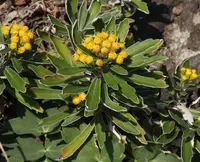
thimbleberry Care (Rubus nutkanus)

Also known as: redcaps
thimbleberry

About thimbleberry

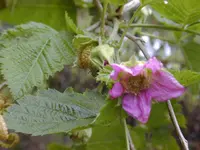
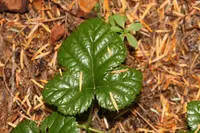
Thimbleberry, Rubus nutkanus, is a deciduous shrub in the rose family, grown mainly for its soft, raspberry-like fruits and large, maple-shaped leaves. It forms dense thickets with upright, cane-like stems that are usually thornless, making it easier to handle than many other Rubus species.

This species is native to western North America, commonly found in forest edges, clearings, and moist slopes. It is generally easy to grow in gardens that can offer cool conditions, consistent moisture, and humus-rich, well-drained soil.

Light shade to partial sun and regular organic mulch usually support healthy growth. Understanding these preferences helps gardeners learn how to care for thimbleberry in temperate climates.

Main Plant Requirements

Care Difficulty

Easy Care

Light Preference

Partial Shade

Water Requirements

Regular Water

Temperature Preference

Cold Hardy

Hardiness Zone

3–9

Soil Texture

Loamy, Silty, Organic-rich

Soil pH

Acidic (5.5–6.5), Slightly acidic (6.5–7.0)

Soil Drainage

Moist but well-drained

Fertilization

Minimal (feed rarely)

Get Personalized Care Plan

Scan your plant to receive care tips personalized for your specific plant

Available on iOS and Android

How to Care for the thimbleberry

Rubus nutkanus grows best in bright, cool conditions that mimic open woodland edges.

  • Provide 4–6 hours of direct morning sun with light afternoon shade; in hotter regions, use dappled light after 11 a.m. to prevent leaf scorch.
  • Plant thimbleberry where it receives partial shade, especially in summer, as strong afternoon sun can bleach leaves and dry soil too quickly.
  • In dense shade, expect weaker stems and fewer fruits; if growth is sparse, choose a slightly more open site or selectively thin overhead branches.

Rubus nutkanus prefers consistently moist, cool soil without prolonged saturation.

  • Water when the top 3–5 cm of soil feel slightly dry; aim for evenly moist soil, especially during establishment and in dry spells.
  • Use deep, infrequent soakings rather than light sprinkling, allowing excess water to drain; soil should be well‑drained loam or sandy loam to reduce root rot risk.
  • Reduce supplemental watering in autumn and winter, but if canes wilt, leaves curl, or berries shrivel, increase moisture; yellowing, limp leaves with soggy soil suggest overwatering.

This species is a cool-temperate shrub adapted to mild summers and cold, snowy winters.

  • Active growth is strongest at 55–75°F (13–24°C); shoots and leaves develop best in cool, moist conditions with good air movement.
  • Dormant canes tolerate winter lows near 0°F (−18°C) once established, but young plants benefit from mulch to buffer freeze–thaw cycles.
  • In hot spells above 85°F (29°C), provide extra shade and soil moisture; prolonged heat and drying winds can scorch leaves and reduce fruit set.

Rubus nutkanus handles a wide humidity range and rarely needs special humidity management outdoors.

Rubus nutkanus prefers cool, moist, well-structured soil that drains freely but does not dry out quickly.

  • Aim for a loamy soil rich in organic matter, with a crumbly structure that holds moisture yet stays aerated.
  • Target a slightly acidic to neutral pH around 5.5–7.0, which supports nutrient availability and healthy root growth.
  • Blend garden soil with compost and leaf mold; add coarse sand or fine bark if the site tends to stay waterlogged.
  • Avoid heavy, compacted clay or sites where water pools after rain, as this promotes root rot and weak growth.

This species can be grown in containers, but only with attention to root space and moisture control.

  • Choose a deep, wide container to accommodate spreading roots and allow multiple canes without crowding.
  • Use a heavy, stable pot material if exposed to wind, as tall, arching canes can tip light containers.
  • Elevate the pot slightly on feet or bricks so drainage holes stay clear and excess water can escape quickly.

Native Rubus nutkanus usually needs minimal fertilization in the ground, but light feeding can support growth and fruiting in poorer soils or containers.

  • Use a balanced slow-release fertilizer (around 10-10-10) or well-aged compost scratched lightly into the soil in early spring.
  • Feed once at bud-break, then again mid-season if growth is weak; avoid late-summer applications that stimulate tender growth.
  • Reduce or stop feeding in fall and winter when growth slows or stops to prevent soft, frost-prone shoots.
  • For container plants, use a half-strength balanced liquid feed every 4–6 weeks during active growth, ensuring good drainage.

Pruning Rubus nutkanus helps maintain an open, productive thicket and supports healthy cane renewal.

  • Schedule main pruning in late winter to early spring before new growth starts, when canes are easy to see and handle.
  • Remove dead, diseased, or damaged canes at ground level using clean, sharp bypass pruners or loppers.
  • Thin out crowded, weak, or crossing stems to improve air circulation, light penetration, and berry quality.
  • After fruiting, cut spent floricanes that fruited to the base, leaving strong new canes to form next season’s crop.

This species is most often grown in the ground, so focus on thoughtful transplanting rather than frequent repotting.

  • Transplant during late fall or early spring while plants are dormant and soil is workable, which limits shock.
  • Look for signs such as poor vigor, dense thickets, or roots circling a container to decide when to divide or move clumps.
  • Dig a wide root ball, keep roots shaded and moist, and replant promptly at the same depth in well-drained, organic-rich soil.
  • Water thoroughly after transplanting, mulch 5–8 cm around but not against stems, and keep soil evenly moist until new growth shows.

Rubus nutkanus is commonly propagated vegetatively to maintain desirable traits and establish new colonies.

  • Use tip layering in late summer by bending a flexible cane to the soil, pinning the tip, and covering it lightly until roots form.
  • Divide established clumps in early spring or late fall, replanting vigorous sections with several healthy buds and roots.
  • Take semi-ripe stem cuttings in midsummer, use a rooting hormone, and place in a moist, free-draining medium under high humidity.
  • Sow fresh seed outdoors in fall or after cold stratification, as the dormant embryo requires chilling to germinate evenly.

This shrub is generally cold hardy across much of its native range and needs only minimal winter care in the ground.

  • Thimbleberry tolerates typical winter frosts, but young or marginally hardy plants benefit from a 5–8 cm mulch layer over the root zone.
  • Keep mulch slightly back from canes to reduce rot and rodent damage around the crown.
  • In very cold or exposed sites, tie canes loosely and use windbreaks or snow fencing to reduce stem desiccation.
  • Move container-grown plants into a sheltered, unheated area where soil does not freeze solid for long periods.

Care Tips

Cane renewal

After fruiting, remove the oldest, woodiest canes at ground level in late winter so younger, 1–2-year-old canes receive more light and produce higher-quality berries.

Low tunnel training

Install a simple low wire or rope at 45–60 cm height and loosely tie canes along it to keep them upright, improve airflow, and make harvesting easier while reducing fungal issues.

Root spread management

Use a spade to cut a shallow trench around the desired planting area once a year to limit suckering and keep thimbleberry from spreading into paths or nearby beds.

Leaf litter mulching

Leave a thin layer of shredded leaves or forest duff under the shrubs over winter to mimic its natural woodland habitat, moderate soil temperature, and support beneficial soil organisms.

Wildlife-friendly spacing

When growing thimbleberry as a hedge, plant in informal clumps with 60–90 cm between plants to create dense cover for pollinators and birds while still allowing access for pruning and harvest.

Common Pests and Diseases

Raspberry beetle

This pest feeds on flower buds and developing fruits, causing misshapen berries and premature fruit drop. Symptoms include dry, crumbly berries with small brown larvae inside.

Solution

Remove and destroy infested fruits and spent flower clusters to break the life cycle, and encourage birds and predatory insects by maintaining diverse plantings nearby. In small plantings, shake flowering canes over a sheet to dislodge adults, then dispose of them, and avoid letting ripe berries remain on the plant for long periods.

Raspberry crown borer

This insect attacks the lower canes and crowns, leading to wilting, poor growth, and eventual cane death. Symptoms include weak, yellowing shoots and swollen or tunneled crown tissue near the soil line.

Solution

Cut out and destroy wilting or suspect canes at ground level as soon as symptoms appear, and dig out heavily infested crowns. Maintain good weed control around plants to reduce habitat for adults, and in problem areas consider applying a labeled soil drench or trunk spray in late summer when larvae are small and more exposed.

Raspberry leaf spot

This disease causes small purple or brown leaf spots that may turn tan in the center, leading to premature leaf drop on thimbleberry canes. Symptoms include thinning foliage and reduced vigor, especially in dense, shaded stands.

Solution

Prune to open the canopy and improve air circulation, and avoid overhead watering that keeps foliage wet for long periods. Remove and destroy heavily spotted leaves and old canes after fruiting, and in areas with recurring issues use a labeled copper or other fungicide at early leaf-out if cultural measures are not enough.

Anthracnose

This disease produces small sunken lesions on young canes and spots on leaves, which can merge and girdle stems, reducing fruiting and winter hardiness. Symptoms include gray to whitish spots with dark borders on canes and sometimes cracking bark.

Solution

Prune out and discard infected canes during dry weather, cutting down to healthy tissue, and thin crowded shoots to speed drying after rain. Avoid high-nitrogen fertilization that promotes very soft growth, and in persistent problem sites consider applying a preventive fungicide at early shoot emergence according to label directions.

Spider mites

These insects are tiny sap-feeders that thrive in hot, dry conditions, causing stippled, dull foliage and fine webbing on the undersides of leaves. Symptoms include leaves that look dusty or bronzed and may drop prematurely under heavy infestation.

Solution

Spray foliage thoroughly with a strong stream of water, focusing on leaf undersides, and repeat every few days to knock down populations. Increase humidity around plants if grown near structures, avoid drought stress, and use insecticidal soap or horticultural oil labeled for mites when populations remain high despite washing.

Interesting Facts

Distinctive thimble‑shaped berries

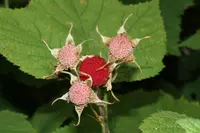
The red fruits are made of many small drupelets loosely packed into a hollow, thimble-like shape, which makes them very soft and quick to crush compared to most other Rubus berries.

Clonal colony former

This species spreads vigorously by rhizomes (underground stems), forming dense clonal patches that can dominate moist forest openings and stream edges in its native Pacific Northwest range.

Shade-tolerant forest shrub

Unlike many sun-loving Rubus species, it tolerates and even thrives in partial shade under coniferous forest canopies, where it plays an important role in understory structure and wildlife forage.

Botan icon

Did you know?

Indigenous peoples of the Pacific Northwest have long used thimbleberry stems for practical purposes such as cordage and wrapping, and the large, soft leaves were traditionally used as makeshift containers or liners for storing and serving foods.

FAQs about thimbleberry

This species spreads by shallow rhizomes and can form dense thickets over time. In small gardens, use root barriers, mow or cut emerging shoots, and thin older canes regularly to keep it within the desired area.

Grow Healthy Plants with Botan Care

Keep your plants happy and healthy with plant identification, disease detection, and easy care guidance.

Botan plant care app — identify plants on mobile

Explore More Plants