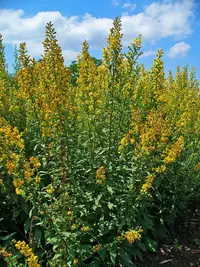
antelope bitterbrush Care (Purshia tridentata)

Also known as: Antelope Brush, Bitterbrush, Buck Brush
antelope bitterbrush

About antelope bitterbrush

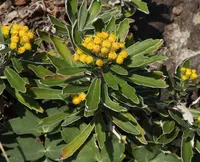
Antelope bitterbrush (Purshia tridentata) is a hardy, long-lived shrub native to dry regions of western North America. It typically forms rounded, branching mounds with small, three-lobed gray-green leaves.

Plants bloom with modest yellowish flowers, followed by seeds that are important forage for wildlife and livestock. The deep root system makes it very drought-tolerant once established and well suited to poor, rocky soils.

It prefers full sun, low to moderate moisture, and well-drained, often sandy or gravelly substrates. These traits make it a good choice for low-water landscapes if you understand how to care for antelope bitterbrush.

Main Plant Requirements

Care Difficulty

Easy Care

Light Preference

Full Sun

Water Requirements

Low Water

Temperature Preference

Cold Hardy

Hardiness Zone

3–9

Soil Texture

Sandy, Loamy, Rocky

Soil pH

Slightly acidic (6.5–7.0), Slightly alkaline (7.0–7.5)

Soil Drainage

Well-drained

Fertilization

Minimal (feed rarely)

Get Personalized Care Plan

Scan your plant to receive care tips personalized for your specific plant

Available on iOS and Android

How to Care for the antelope bitterbrush

This shrub evolved in open, arid habitats and performs best with strong sun exposure.

  • Provide 6–10 hours of direct sun daily; full sun promotes dense growth and abundant flowering in antelope bitterbrush.
  • Accepts light or dappled shade for part of the day, but plants in more than 4–5 hours of shade become open, with fewer flowers and weaker stems.
  • In very hot interiors of the US, prioritize morning sun with some protection from intense late-afternoon sun to reduce leaf scorch on young plants.

This species is highly drought-adapted and prefers infrequent, deep watering once established.

  • In the first 1–2 growing seasons, water only when the top 5–8 cm of soil are completely dry, then soak the root zone thoroughly and allow it to drain fully.
  • Mature Purshia tridentata usually needs no supplemental water except during extended drought; during heat waves, a deep soak every 3–4 weeks can reduce stress.
  • Watch for overwatering signs such as yellowing leaves and dieback on heavy soils; severely dry plants show leaf drop and very brittle finer stems.

This cold-hardy shrub tolerates a wide range of outdoor temperatures once established.

  • Active growth is strongest around 55–80°F (13–27°C), with good performance in typical spring and fall conditions in semi-arid and montane regions.
  • Plants tolerate winter lows near -20°F (-29°C) when hardened off; brief drops to about -30°F (-34°C) may be survived in well-drained, native-type soils.
  • In summer, it endures heat up to 95–100°F (35–38°C) if soil is sharply drained; prolonged extreme heat with high humidity increases stress and branch dieback risk.

This dryland shrub tolerates very low humidity and rarely needs special humidity management in cultivation.

Purshia tridentata prefers very lean, fast-draining, mineral soils that mimic dry rocky slopes.

  • Use sandy or gravelly soil with little organic matter, such as 60–70% coarse sand or grit blended with 30–40% native soil.
  • Ensure sharp drainage; raised beds or mounded planting help water move quickly away from the crown and roots.
  • Aim for slightly alkaline to neutral pH around 7.0–8.0, avoiding strongly acidic mixes and peat-heavy substrates.
  • For containers, include at least 50% mineral aggregate (pumice, gravel, coarse sand) to maintain aeration and prevent root rot.

This species can be grown in containers, but only when very sharp drainage and lean soil are provided.

  • Choose a deep, heavy container or one that can be weighted, as the woody top growth can make the plant unstable in strong wind.
  • Fill the pot with a mostly mineral, very fast-draining mix so water exits within minutes after thorough watering.
  • Place the container in a full-sun, exposed location to keep the mix dry between waterings, which supports healthy, drought-adapted roots in antelope bitterbrush.

This dryland shrub usually needs no fertilizer when grown in native or very lean soils.

Purshia tridentata benefits from light structural pruning to maintain health and form.

  • Carry out pruning in late winter or very early spring before new growth starts.
  • Remove dead, diseased, rubbing, or badly damaged branches with clean bypass pruners or loppers.
  • Thin crowded interior shoots slightly to improve air flow while preserving the plant’s natural, open shape.
  • Avoid heavy cutting into old wood, which can reduce flowering and stress the shrub.

This species is rarely container-grown, so focus on careful transplanting of young plants.

  • Transplant in early spring or fall when temperatures are mild and soil is workable.
  • Choose a very well-drained, sandy or gravelly site, matching the plant’s native dry conditions.
  • Move only younger shrubs; older plants resent disturbance and may fail after transplanting.
  • Dig a wide hole, keep the root ball intact, water once to settle soil, then return to deep, infrequent watering.

Purshia tridentata is usually propagated from seed, with some use of semi-hardwood cuttings.

  • Collect mature seeds in late summer to fall and use cold stratification at 34–41°F for 60–90 days.
  • Sow in a gritty, fast-draining mix, keeping it just slightly moist and in bright light for germination.
  • Take semi-hardwood cuttings in late summer, apply rooting hormone, and place in a warm, well-aerated medium.
  • Maintain good air circulation and moderate moisture to limit rot while roots or seedlings establish.

This shrub is very cold hardy and typically needs minimal winter care in the ground.

  • Tolerates substantial frost and snow once established, especially in well-drained soils.
  • Apply a light gravel or coarse organic mulch around the root zone in late fall, avoiding stem contact.
  • For container-grown plants, move pots to a sheltered, unheated area to prevent root freeze–thaw damage.

Care Tips

Encourage Deep Roots

In the first 1–2 years, water less often but for longer sessions so moisture penetrates 20–30 cm deep, which trains antelope bitterbrush to develop drought-resilient roots.

Mimic Natural Mulch

Use a very thin, patchy mulch layer of small gravel or coarse bark instead of thick organic mulch, leaving bare soil around the crown to reduce rot while still limiting erosion and extreme temperature swings.

Maintain Open Structure

Every 2–3 years, remove a few of the oldest, most congested interior branches at the base rather than tipping stems, which preserves the shrub’s open, wildlife-friendly form and airflow.

Support Seedling Establishment

For new plants on windy or sloped sites, use low, loose staking and a simple fabric windbreak for the first growing season only, then remove supports once stems have lignified (hardened into wood).

Plan For Wildlife Use

When growing antelope bitterbrush for habitat, plant in small clusters spaced 1.5–2.5 m apart so each shrub can mature fully while still forming a patch that benefits browsing wildlife and pollinators.

Common Pests and Diseases

Leaf-feeding caterpillars

This pest feeds on the foliage, leaving irregular holes, chewed edges, or partially skeletonized leaves on antelope bitterbrush plants. Symptoms include visible caterpillars on stems and leaves, along with frass (droppings) on lower foliage or soil.

Solution

Handpick and remove caterpillars where practical, and prune heavily damaged shoot tips to encourage new growth. For larger infestations on landscape plants, a targeted biological product containing Bacillus thuringiensis (Bt) can be applied to young foliage following label directions, avoiding spray during peak pollinator activity.

Bitterbrush twig gall midges

These insects cause swollen, deformed galls on young twigs and branch tips, which can slow shoot elongation and create a bumpy or knobby appearance. This pest is mostly cosmetic but heavy galling can reduce vigor in stressed plants.

Solution

Prune out and destroy galled twigs during dormant or early growing season to remove developing larvae and improve plant structure. Maintain plant vigor through appropriate drought-adapted care and avoid excess irrigation or fertilization, which can promote succulent growth more prone to gall formation.

Leaf spot fungi

This disease produces small tan to brown spots on leaves that may coalesce, leading to premature leaf drop, especially in unusually wet seasons or irrigated sites. Symptoms include spotting concentrated on inner, shaded foliage where moisture lingers longest.

Solution

Remove and discard heavily spotted, fallen leaves to reduce fungal spores, and avoid overhead irrigation so foliage can dry quickly. Improve airflow by giving plants adequate spacing and, if needed, thinning congested interior branches; in landscape settings with severe, repeated outbreaks, a labeled copper or chlorothalonil fungicide can be used preventively at the start of wet periods.

Rust fungi

This disease causes yellow to orange spots on upper leaf surfaces with powdery, rust-colored pustules on the undersides, and may lead to early leaf shed under high disease pressure. This problem appears more often when antelope bitterbrush is grown near alternate wild host species in cool, moist conditions.

Solution

Remove and dispose of infected leaves from around the base of the shrub to lower spore levels, and avoid overhead watering that keeps foliage wet for long periods. Where rust recurs in landscaped settings, consider increasing plant spacing, reducing shade, and using a labeled systemic or protective fungicide at the first sign of new lesions as part of broader Purshia tridentata care instructions.

Interesting Facts

Nitrogen-fixing desert shrub

This shrub lives in symbiosis with nitrogen-fixing bacteria in its roots, allowing it to enrich very poor, dry soils and improve conditions for other native plants in western North America.

Key winter forage

In many Great Basin and Intermountain West rangelands, its evergreen or semi-evergreen leaves and twigs provide crucial winter food for mule deer, pronghorn, and other wildlife when grasses are dormant or snow-covered.

Exceptional drought tolerance

Deep, extensive roots and small, thick leaves help this species survive on rocky slopes and arid sites with very low annual rainfall, where many other shrubs cannot persist.

Botan icon

Did you know?

Charcoal and pollen evidence from soil cores show that this shrub has been a stable component of western North American shrub-steppe ecosystems for thousands of years, helping ecologists reconstruct past climates and vegetation shifts.

FAQs about antelope bitterbrush

This shrub is typically evergreen to semi-evergreen, holding most leaves through winter in mild, dry climates. In colder or very dry conditions, it can become partly deciduous and shed more foliage to conserve water and energy.

Grow Healthy Plants with Botan Care

Keep your plants happy and healthy with plant identification, disease detection, and easy care guidance.

Botan plant care app — identify plants on mobile

Explore More Plants