Pinch for Bushiness
Pinch out the soft tips of new shoots in late spring to early summer to create a denser, more compact mound and increase the number of flowering stems.

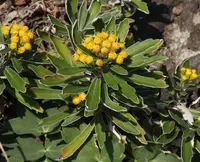
Gold and silver chrysanthemum, Ajania pacifica, is a compact, mound-forming perennial grown mainly for its decorative foliage and late-season flowers. It belongs to the daisy family but is more valued for leaves than blooms in many gardens.
Plants form low, bushy clumps with deeply cut, dark green leaves edged in silvery white, creating a soft, bicolor effect. In autumn, they produce small yellow button-like flower clusters that attract pollinators.
Ajania pacifica is native to coastal areas of Japan, where it experiences full sun, wind, and well-drained soils. Its tolerance of poor soil, salt spray, and moderate drought makes it relatively easy to care for gold and silver chrysanthemum in many temperate gardens.
It prefers sun to light shade, free-draining soil, and even moisture, especially during establishment and hot weather.

Care Difficulty
Easy Care

Light Preference
Full Sun

Water Requirements
Moderate Water

Temperature Preference
Cold Hardy

Hardiness Zone
5–9

Soil Texture
Sandy, Loamy, Organic-rich

Soil pH
Slightly acidic (6.5–7.0), Neutral (7.0)

Soil Drainage
Well-drained

Fertilization
Light (every 4–6 weeks)
Scan your plant to receive care tips personalized for your specific plant
Available on iOS and Android
Ajania pacifica prefers bright conditions that balance strong light with protection from harsh extremes.
Ajania pacifica prefers slightly dry, well-drained soil rather than constant moisture.
This species is a cool-tolerant perennial that handles a broad outdoor temperature range when established.
This species handles typical household humidity but performs best with slightly moderate levels.
This plant prefers lean, very free-draining soil that does not stay wet after rain or watering.
This species is well suited to container growing in sunny patios, balconies, or small gardens.
Ajania pacifica benefits from moderate feeding to support dense foliage and late-season flowering.
Ajania pacifica responds well to thoughtful pruning that maintains a compact mound and encourages abundant blooms.
This plant is usually grown in the ground, so focus on transplanting clumps rather than frequent repotting.
Ajania pacifica is commonly propagated by division and stem cuttings for consistent, healthy new plants.
This species is generally cold hardy in much of the US but benefits from simple winter preparation, especially in colder regions.

Plant Health Check
Not sure what's wrong with your plant? Check your plant's health inside the app.
This species is native to coastal areas of Honshu, Japan, where it grows on rocky sea cliffs and sandy slopes exposed to salt-laden winds.
Its foliage shows a characteristic narrow band of creamy white to yellow along the leaf margins, creating a bicolored effect that is stable and not a variegated sport of another species.
Originally described in the chrysanthemum group, this species was moved to the genus Ajania based on floral structure and later supported by molecular studies that separated it from true garden chrysanthemums.

In its native Japanese habitats, this species often forms low, shrubby mats that help stabilize thin, erosion-prone coastal soils, making it an important component of some seaside plant communities.
This species is a herbaceous perennial, returning each year from its root system. Top growth often dies back in colder winters, then new shoots emerge in spring, forming dense mounds that persist for many seasons with basic care.
Keep your plants happy and healthy with plant identification, disease detection, and easy care guidance.