Wind-tolerant training
In the first 2–3 years, pinch or lightly tip-prune long whippy shoots to encourage a denser framework that is more resistant to storm damage and wind rock.

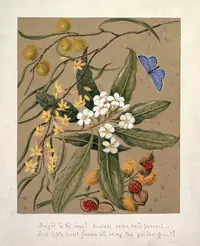
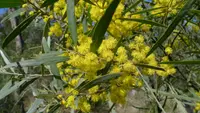
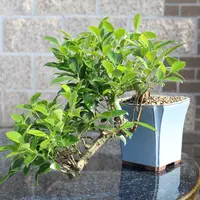
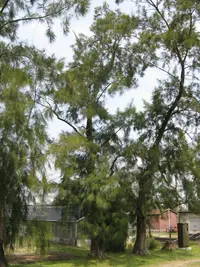
Australian cheesewood, Pittosporum undulatum, is a fast-growing evergreen tree or large shrub with glossy wavy-edged leaves and fragrant white to cream flowers. It often forms a dense, rounded crown and can develop into a small tree in suitable climates.
This species is native to eastern Australia but is widely planted in mild coastal regions and sometimes naturalizes outside its range. It is generally considered easy to grow, adapting to a range of soils and tolerating wind, pruning, and urban conditions.
Light shade to full sun and moderately moist, well-drained soil support healthy growth. Gardeners who know how to care for Australian cheesewood appreciate its reliability as a screening or background plant.

Care Difficulty
Easy Care

Light Preference
Full Sun

Water Requirements
Moderate Water

Temperature Preference
Warm Climate

Hardiness Zone
9–11

Soil Texture
Sandy, Loamy, Organic-rich

Soil pH
Acidic (5.5–6.5), Slightly acidic (6.5–7.0)

Soil Drainage
Well-drained

Fertilization
Minimal (feed rarely)
Scan your plant to receive care tips personalized for your specific plant
Available on iOS and Android
This shrub favors bright conditions but tolerates some shade once established.
This species prefers evenly moist but not waterlogged soil, especially while young.
This plant grows best in mild, frost-free climates with moderate seasonal variation.
This species handles a fairly wide humidity range but benefits from moderate ambient moisture when grown indoors.
Pittosporum undulatum prefers moderately fertile, well-structured mineral soil with reliable drainage.
This shrub can be grown in containers when given a stable, well-drained setup that accommodates its woody root system.
This evergreen tree responds well to moderate feeding but often grows acceptably in average soil, so focus on light, targeted fertilization.
Pruning helps manage size, density, and structure of Pittosporum undulatum, especially in landscape or hedge use.
This species is more often grown in the ground than in containers, so management focuses mainly on careful transplanting.
New plants are usually raised from seeds or semi-hardwood cuttings, both of which respond to warm, stable conditions.
Established plants tolerate light frost but benefit from basic winter preparation in colder regions.

Plant Health Check
Not sure what's wrong with your plant? Check your plant's health inside the app.
This species is native to moist forests of eastern Australia, where it naturally regenerates in disturbed sites and can form dense stands that shade out smaller understorey plants.
The white, star-shaped flowers release a strong, sweet fragrance after dusk, attracting nocturnal moths that act as pollinators.
Outside its native range, especially in parts of South Africa, New Zealand, and Hawaii, it is a serious invasive tree that spreads vigorously from bird-dispersed seeds and alters native forest structure.

In several invaded regions, land managers use ringbarking and cut-stump herbicide treatments on mature trees because simple cutting often leads to prolific resprouting from the trunk and root system, which can rapidly rebuild dense thickets if not controlled.
In many mild coastal climates this species can become invasive, spreading by bird‑dispersed seed into natural areas. Gardeners should check local regulations, avoid planting near wildlands, and remove unwanted seedlings promptly to limit escape and spread.
Keep your plants happy and healthy with plant identification, disease detection, and easy care guidance.