Root zone protection
In the first 2–3 years, apply a 5–8 cm ring of coarse mulch around, but not touching, the stem to keep roots cool, reduce evaporation, and protect the developing taproot from soil compaction.

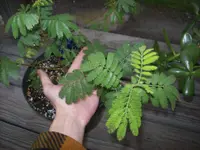
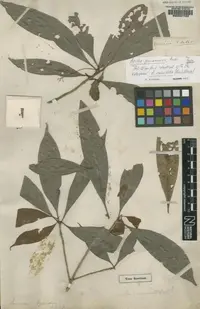
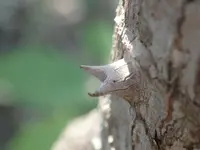
Jurema preta, or Mimosa tenuiflora, is a woody, fast-growing shrub or small tree native to semi-arid regions of Brazil, Mexico, and other parts of Latin America. It typically forms a dense, thorny crown with fine, fern-like leaves and small, fragrant, cream-colored flower spikes.
In its native habitat it is adapted to poor, dry soils and intense sun, which makes it relatively resilient once established. For cultivation, it prefers bright light, well-drained soil, and moderate watering, which influences how to care for jurema preta in home or outdoor settings.

Care Difficulty
Moderate Care

Light Preference
Full Sun

Water Requirements
Low Water

Temperature Preference
Tropical / Frost Sensitive

Hardiness Zone
9–11

Soil Texture
Sandy, Loamy, Rocky

Soil pH
Acidic (5.5–6.5), Slightly acidic (6.5–7.0)

Soil Drainage
Well-drained

Fertilization
Minimal (feed rarely)
Scan your plant to receive care tips personalized for your specific plant
Available on iOS and Android
Mimosa tenuiflora prefers strong sun to fuel fast woody growth in warm climates.
This drought-tolerant shrub prefers deep, infrequent watering in fast-draining soil.
This species thrives in warm, semi-arid climates and reacts poorly to frost.
This species tolerates a wide humidity range and usually does not need special air-moisture management.
Mimosa tenuiflora prefers lean, very well-drained, slightly sandy soil that never stays waterlogged.
This shrub can be grown in containers if the pot is configured to keep roots aerated and the plant stable as it gains height.
Mimosa tenuiflora grows well in lean soils and usually needs only light feeding in cultivation.
Mimosa tenuiflora responds well to light structural pruning to maintain a safe, balanced canopy.
This species is usually field-grown, but young container plants or seedlings benefit from careful transplanting.
Mimosa tenuiflora is most commonly propagated from seed, with pre-treatment to improve germination.
This warm-adapted species has low frost tolerance and benefits from targeted winter protection in cool climates.

Plant Health Check
Not sure what's wrong with your plant? Check your plant's health inside the app.
This species often resprouts after wildfires from a deep, woody root system, which helps stabilize degraded, semi-arid soils in its native range of northeastern Brazil and parts of Mexico.
Mimosa tenuiflora forms symbioses with root bacteria that fix atmospheric nitrogen, allowing it to colonize poor, eroded soils and gradually improve their fertility for other plants.
The dark, rough bark contains a complex mixture of secondary metabolites, including significant levels of tannins and the tryptamine alkaloid N,N-dimethyltryptamine (DMT), which has been analytically confirmed in multiple phytochemical studies.

Charcoal produced from the very dense wood of Mimosa tenuiflora has traditionally been valued in northeastern Brazil for high-quality biochar and as a long-lasting fuel, reflecting the species’ unusually high wood density and slow combustion characteristics compared with many other local shrubs and small trees.
Growth is usually moderate rather than extremely fast. In warm climates with full sun, well-drained soil, and occasional pruning, this shrub or small tree can add roughly 30–60 cm of height per year once established.
Keep your plants happy and healthy with plant identification, disease detection, and easy care guidance.