Root-zone mulching
Apply a 3–5 cm layer of sterile, fine bark mulch around the root zone, keeping it 3–5 cm away from the trunk, to stabilize soil moisture and temperature without encouraging rot.

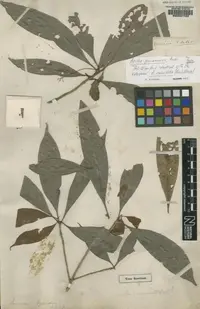
Aniba guianensis is a tropical evergreen tree from the laurel family, native to the Amazon region of South America. It is valued mainly for its aromatic wood and essential oils rather than ornamental use.
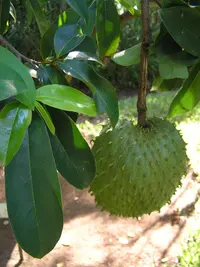
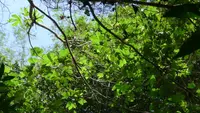
The tree typically has a straight trunk, dense crown, and glossy green leaves that release a noticeable scent when crushed. In nature it grows in warm, humid lowland forests with consistent rainfall.
For those interested in how to care for Aniba guianensis, it is considered challenging outside its native climate because it prefers stable warmth, high humidity, and well-drained, organic-rich soil. It is best suited to experienced growers or specialized collections.

Care Difficulty
Moderate Care

Light Preference
Partial Shade

Water Requirements
Moderate Water

Temperature Preference
Tropical / Frost Sensitive

Hardiness Zone
Unknown

Soil Texture
Loamy, Sandy, Organic-rich

Soil pH
Acidic (5.5–6.5), Slightly acidic (6.5–7.0)

Soil Drainage
Moist but well-drained

Fertilization
Minimal (feed rarely)
Scan your plant to receive care tips personalized for your specific plant
Available on iOS and Android
This lowland tropical tree prefers bright, filtered light similar to a light forest canopy.
This species prefers evenly moist, well-drained soil without long dry spells or standing water.
This tropical tree grows best in stable warm conditions without exposure to frost.
This species prefers moist, rainforest-like air and reacts quickly to dry indoor conditions.
This tree thrives in deep, moist, well-drained, organic-rich soil that mimics its native forest floor.
This species can be grown in containers when young, but requires careful attention to root space and stability.
This slow-growing rainforest tree usually needs minimal feeding in the ground if soil is deep and organic-rich.
Pruning is mainly used to manage size and remove weak wood on this forest tree.
This species is typically grown in the ground, so management focuses on careful field transplanting rather than frequent repotting.
Propagation is possible but slow and usually carried out in specialized forestry or conservation settings.
This tropical tree is frost-sensitive and needs protection outside true frost-free climates.

Plant Health Check
Not sure what's wrong with your plant? Check your plant's health inside the app.
This South American tree is native to lowland rainforests of the Guiana Shield and Amazon basin, where it grows as part of the evergreen canopy and produces a characteristic spicy, woody scent in its tissues.
Its wood and bark are distilled to obtain a fragrant essential oil valued in perfumery, described as warm, woody, slightly spicy, and sometimes compared to rosewood-type aromas.
As a canopy or subcanopy tree, it contributes to forest structure and provides habitat and resources for insects and other organisms, fitting into a diverse community of Lauraceae species in neotropical forests.
Yes, this species can be grown from fresh seed, but germination is often slow and irregular. Seeds should be sown promptly in a warm, consistently moist, well‑drained medium and kept shaded. Seedlings resent disturbance, so transplant carefully.
Keep your plants happy and healthy with plant identification, disease detection, and easy care guidance.