Begonia gehrtii Care

Begonia gehrtii

About Begonia gehrtii

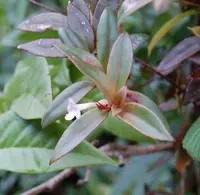
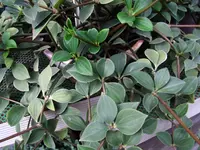
Begonia gehrtii is a compact rhizomatous begonia valued for its textured, often blistered leaves and striking leaf patterns. It typically forms a low, spreading mound rather than growing tall.

This species is native to Brazil, where it grows in warm, humid forest habitats with dappled shade. In cultivation, it is considered moderately demanding because it dislikes sudden changes in moisture, temperature, or humidity.

It prefers bright, indirect light, evenly moist but not waterlogged soil, and good air movement around the foliage. With stable indoor conditions and careful watering, it is possible to successfully care for Begonia gehrtii even in small spaces.

Main Plant Requirements

Care Difficulty

Moderate Care

Light Preference

Bright Indirect Light

Water Requirements

Moderate Water

Temperature Preference

Tropical / Frost Sensitive

Hardiness Zone

11–12

Soil Texture

Loamy, Peaty, Organic-rich

Soil pH

Acidic (5.5–6.5)

Soil Drainage

Moist but well-drained

Fertilization

Light (every 4–6 weeks)

Get Personalized Care Plan

Scan your plant to receive care tips personalized for your specific plant

Available on iOS and Android

How to Care for the Begonia gehrtii

This species prefers bright, indirect light that mimics a forest understory environment.

  • Provide 4–6 hours of bright, filtered light daily, such as light behind a sheer curtain or dappled shade under taller plants.
  • Allow gentle morning sun but avoid harsh midday and afternoon sun, which can scorch leaves and fade their texture-sensitive surface.
  • In winter, move Begonia gehrtii to a brighter spot if possible, but still out of direct midday rays to prevent leaf stress.

Watering should keep the root zone lightly moist but never saturated for long periods.

  • Water when the top 2–3 cm of soil feels dry, using enough water to moisten the root area, then let excess drain away fully.
  • Reduce watering in cooler, low-light months, checking soil moisture more carefully to avoid prolonged wetness that encourages root rot.
  • Watch for soft, yellowing leaves and a sour soil smell as signs of overwatering, and crisp, drooping leaves with dry soil as signs of underwatering in Begonia gehrtii.

This plant grows best in stable, mild temperatures without sudden swings.

  • Aim for 65–78°F (18–26°C) during active growth, which supports steady foliage development and reduces stress.
  • Protect from cold; growth slows below 60°F (16°C), and exposure near or below 50°F (10°C) can cause leaf damage or dieback.
  • Avoid hot, stagnant conditions above 85°F (29°C); increase air movement and shade during heat waves while keeping it away from drying drafts.

This species prefers moderately high, steady humidity to keep leaves healthy and reduce stress.

  • Aim for 50–70% humidity, as prolonged air below 40% often leads to leaf edge browning and curling.
  • It tolerates brief dry indoor air, but chronic low humidity increases risk of crispy margins and slower growth.
  • Increase humidity with a nearby humidifier or grouped plants; avoid misting Begonia gehrtii directly to limit fungal spots.

This species grows best in a loose, airy, organic-rich mix that drains quickly but stays lightly moist.

  • Use a base of peat or coco coir with added perlite and fine bark to create a chunky, well-aerated structure.
  • Aim for lightly acidic soil, around pH 6.0–6.5, which supports nutrient availability and healthy root function.
  • Ensure rapid drainage; water should exit the pot within seconds rather than pooling on the surface or in the saucer.
  • Avoid dense garden soil, heavy clay, or mixes that stay wet for days, which greatly increase root rot risk for Begonia gehrtii.

This species is well suited to container growing when moisture control and stability are considered.

  • Choose a wider, shallower pot to match its fibrous root system and prevent deep zones of unused, soggy mix.
  • Select a container material that matches your climate, using terracotta to reduce moisture in humid homes and plastic in drier ones.
  • Stabilize the pot with a heavier base or cachepot if the top growth becomes one-sided, to prevent tipping when the soil is moist.

Light, consistent feeding supports compact growth and foliage color in Begonia gehrtii.

  • Use a balanced liquid fertilizer (around 10-10-10 or 20-20-20) diluted to 1/4–1/2 strength for container plants.
  • Feed every 3–4 weeks during the active growing season, after watering the soil first.
  • Avoid heavy organic compost layers that stay wet and instead use a well-drained, lightly enriched mix.
  • Stop or reduce feeding to once in 6–8 weeks in fall and winter when growth slows.

Thoughtful pruning keeps Begonia gehrtii bushy, tidy, and free of weak growth.

  • Best time for shaping is late winter to early spring, just before vigorous new growth begins.
  • Use clean, sharp scissors or small pruners to remove dead, yellowing, or damaged leaves and stems.
  • Thin crowded, crossing stems at the base to improve airflow and reduce fungal issues.
  • Pinch soft stem tips during the growing season to encourage branching and a fuller habit.

Sensitive roots mean repotting Begonia gehrtii should be infrequent and gentle.

  • Repot every 2–3 years or when roots circle the pot, water drains too quickly, or growth slows despite good care.
  • Time repotting for early spring so the plant can recover as active growth resumes.
  • Move up only 1 pot size, using a loose, airy, well-drained mix to limit waterlogging and root rot risk.
  • Handle the root ball carefully, loosen only lightly, water thoroughly afterward, and keep in bright, indirect light for 1–2 weeks to reduce stress.

This species is commonly multiplied by vegetative methods rather than seed.

  • Take 5–8 cm stem or leaf cuttings in late spring or early summer with at least 1–2 nodes each.
  • Insert cuttings into a moist, airy mix, and maintain 70–75°F, high humidity, and bright, indirect light.
  • Optional rooting hormone on the cut end can increase success and speed up root formation.
  • Cover with a clear dome or bag with vents, and transplant to individual pots once roots are well developed.

This tender species needs warm, frost-free conditions through winter.

  • Bring outdoor containers indoors before temperatures drop below 55°F, as foliage is not frost tolerant.
  • Keep in bright, indirect light with temperatures ideally 60–70°F and away from cold drafts or heater blasts.
  • Water less frequently in winter, allowing the top soil layer to dry slightly but never bone dry.
  • Avoid heavy feeding during the cool season, focusing instead on stable temperature and light.

Care Tips

Use wide pots

Choose a shallow, wide container rather than a deep one to accommodate the rhizomatous growth and allow new shoots to spread horizontally without crowding the center.

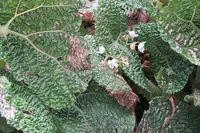
Rhizome surface check

Inspect the exposed rhizomes every few weeks and gently brush away compacted debris or algae so emerging buds are not smothered and stay dry enough to resist rot.

Targeted leaf support

If large leaves flop, use low, discreet hoop stakes or short orchid clips on thin stakes to lift individual petioles, which improves airflow and prevents the leaf bases from staying chronically damp against the pot rim.

Seasonal growth reset

At the end of the main growth season, selectively remove the oldest, bare rhizome sections and replant only the younger, leafed portions to keep the plant compact and maintain strong, active growth when growing Begonia gehrtii.

Preventive pest scouting

Once a week, check the undersides of leaves and the joints where petioles meet rhizomes with a hand lens, so early signs of mites, thrips, or mealybugs are found before they deform new foliage.

Common Pests and Diseases

Mealybugs

This pest is attracted to the soft, hairy leaves and leaf axils, where it feeds on plant sap and excretes sticky honeydew. Symptoms include cottony white clusters, distorted new growth, and sometimes sooty mold on the leaf surface.

Solution

Isolate the plant, then dab visible insects with cotton swabs dipped in 70% isopropyl alcohol and gently wipe along the hairy leaf surface and stems. Repeat weekly until no new insects appear, and improve air movement plus avoid overfertilizing, which can encourage mealybug populations when growing Begonia gehrtii.

Spider mites

These insects thrive in the dry, warm conditions often used indoors and target the undersides of thin Begonia leaves. Symptoms include very fine webbing, dull or stippled foliage, and leaf edge crisping or drop.

Solution

Shower the plant gently with lukewarm water, focusing on leaf undersides, then increase humidity to 50–60% and improve air circulation. If mites persist, use repeated applications of insecticidal soap or neem oil on both leaf surfaces every 5–7 days until new growth appears clean.

Powdery mildew

This disease affects Begonia foliage in stagnant air and uneven moisture conditions, forming a white or gray powdery coating on the leaves. Symptoms include pale patches that spread over the surface, leading to yellowing and premature leaf drop.

Solution

Remove the worst affected leaves, increase airflow around the plant, and avoid wetting the foliage, especially in the evening. Treat remaining leaves with a sulfur-based fungicide or a potassium bicarbonate product according to label directions, and maintain moderate humidity with good air exchange.

Bacterial leaf spot

This disease takes advantage of splashing water on leaves and high humidity, creating small translucent or dark, water-soaked spots that may merge into larger necrotic patches. Symptoms include irregular lesions often along veins, sometimes with a yellow halo, and rapid deterioration in crowded conditions.

Solution

Promptly remove and discard affected leaves, avoid overhead watering, and keep foliage as dry as possible while watering only the soil surface. Improve spacing and airflow, and if the problem progresses, discard severely infected plants and sterilize tools and pots to prevent further spread.

Botrytis blight

This disease develops in cool, damp, low-light conditions and attacks tender Begonia tissues such as flowers, petioles, and old leaves. Symptoms include soft, brown, water-soaked spots that quickly develop a fuzzy gray mold, often starting on aging or damaged leaves that touch the soil or pot rim.

Solution

Remove and discard all affected plant parts and any fallen debris from the soil surface, then increase light, airflow, and reduce overcrowding. Water in the morning so foliage dries quickly and, if needed, apply a labeled fungicide for gray mold while maintaining drier leaf surfaces going forward.

Interesting Facts

Distinct shielded leaves

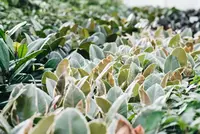
This species develops thick, shield-like leaves with a pale, almost silvery underside that helps reduce light stress and water loss in its native shaded habitats in Brazil.

Rare Brazilian endemic

Begonia gehrtii is naturally restricted to limited areas of Brazil, which makes wild populations relatively uncommon and of interest for conservation-focused collections.

Unusual leaf venation

Its leaves show pronounced, raised veins that give a sculpted texture, a feature that makes this species particularly valued among collectors growing Begonia gehrtii.

FAQs about Begonia gehrtii

Brown leaf edges usually result from low humidity, underwatering, or fertilizer burn. Whole brown patches can indicate sun scorch or cold drafts. Check recent changes, trim damaged parts, and adjust humidity, watering consistency, and exposure accordingly.

Grow Healthy Plants with Botan Care

Keep your plants happy and healthy with plant identification, disease detection, and easy care guidance.

Botan plant care app — identify plants on mobile

Explore More Plants