Tillandsia virescens Care

Tillandsia virescens

About Tillandsia virescens

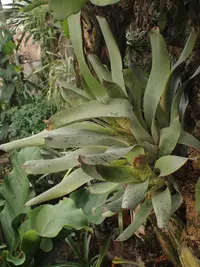
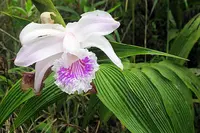
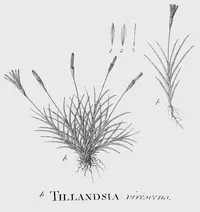
Tillandsia virescens is a small epiphytic air plant in the bromeliad family. It grows without soil, attaching to bark, rocks, or other surfaces with its roots. The plant forms tight clumps of slender, often slightly curved leaves that can take on a gray-green tone due to a fine covering of specialized scales that help absorb water and nutrients from the air. It is native to dry, high-altitude regions of South America, where it copes with strong light, wind, and limited moisture. These adaptations make it relatively forgiving in cultivation, as long as it receives good air circulation and bright light. Understanding how to care for Tillandsia virescens mainly involves matching its dry, airy natural conditions indoors.

Main Plant Requirements

Care Difficulty

Moderate Care

Light Preference

Partial Sun

Water Requirements

Moderate Water

Temperature Preference

Warm Climate

Hardiness Zone

Unknown

Soil Texture

Loamy

Soil pH

Slightly acidic (6.5–7.0)

Soil Drainage

Well-drained

Fertilization

Minimal (feed rarely)

Get Personalized Care Plan

Scan your plant to receive care tips personalized for your specific plant

Available on iOS and Android

How to Care for the Tillandsia virescens

This species favors bright, indirect light with gentle direct sun rather than harsh, all-day exposure.

  • Provide 4–6 hours of bright, filtered light daily, such as dappled shade or morning sun with protection from intense midday and afternoon rays.
  • Tolerates light partial shade, but growth may slow if kept in deep shade; very low light leads to elongated, weak leaves and dull color.
  • In summer, shield from scorching sun to prevent leaf bleaching or burn; in winter, move to a brighter spot to compensate for shorter days.

This epiphyte absorbs water through its leaves, so moisture should reach the foliage rather than roots in soil.

  • For Tillandsia virescens in typical home conditions, fully soak or mist heavily 2–3 times per week, then let it dry within 3–4 hours in good air circulation.
  • In hotter, drier periods, increase misting or soaking frequency; in cool, humid seasons, reduce watering to avoid constantly wet leaves.
  • Leaves curling inward and feeling crispy suggest underwatering, while limp, browning bases or a rotting center indicate overwatering and poor drying.

This species prefers warm, frost-free conditions similar to a mild subtropical climate.

  • Aim for 65–80°F (18–27°C) for best growth, avoiding sudden swings of more than 10°F (6°C) in a short time.
  • Short drops to about 45–50°F (7–10°C) may be tolerated if dry, but repeated exposure below this range slows growth and increases damage risk.
  • Protect from frost, freezing temperatures, and prolonged heat above 95°F (35°C), and provide shade plus extra airflow during hot spells to prevent stress.

This species benefits from higher ambient humidity but tolerates typical indoor air if watered correctly.

  • Aim for 50–70% humidity, using a room humidifier or grouping plants if indoor air is very dry.
  • Leaf tips curling inward or remaining stiff and brittle indicate humidity stress and insufficient moisture uptake.
  • Increase humidity by brief, regular misting plus good air movement, avoiding constantly wet foliage or stagnant air.

Tillandsia virescens is an epiphyte and should never be planted in regular potting soil.

  • Mount plants on bark, cork, or other inert, airy material, or place loosely in open wire or mesh containers without packed media.
  • Ensure excellent air circulation around the base, as roots mainly anchor the plant and rotting occurs in dense or water-retentive substrates.
  • If using any filler, choose very coarse, fast-drying materials such as large orchid bark, chunky perlite, or lava rock chips.
  • Avoid peat, standard potting mix, or compacted moss, which hold water, slow drying, and promote fungal problems at the leaf bases.

This air plant can be grown in containers as long as the setup keeps the base dry and well ventilated.

  • Use shallow, open containers such as slatted baskets or mesh cups so air can move freely around all sides of the plant.
  • Raise the plant on a layer of large stones or bark pieces so the base never sits in residual water after misting or soaking.
  • Choose a stable, weighted container if displaying multiple plants together to prevent toppling when foliage becomes wet and heavier.

This epiphytic air plant benefits from light, occasional feeding rather than heavy fertilization.

  • Use a balanced, water-soluble NPK orchid or air-plant fertilizer diluted to 1⁄4–1⁄2 strength.
  • Mist Tillandsia virescens with the diluted solution every 3–4 weeks during the warm growing season.
  • Skip or reduce feeding to once after mid fall and during winter dormancy.
  • Apply only to foliage, then let plants dry in bright, indirect light to prevent leaf burn.

Pruning is minimal and focuses on hygiene and maintaining a tidy clump.

  • Best time is late winter to early spring, before active growth and flowering.
  • Gently remove dead, brown, or damaged leaves by pulling downward along the leaf line.
  • Trim spent flower spikes close to the base with small, sharp scissors to redirect energy to pups.
  • Thin overcrowded offsets to improve air flow and reduce moisture-related rot.

As an air plant, this species is not traditionally repotted but can be remounted or repositioned when needed.

  • Remount when clumps outgrow their support, shading airflow, or become unstable or hard to dry.
  • Best season is spring to early summer, when temperatures are stable and growth is active.
  • Typical interval is every 2–4 years, or whenever the mounting material breaks down.
  • Moisten plants first, then gently detach and tie or glue to a new, non-toxic mount, avoiding damage to the base.

Propagation of this species is commonly done through offsets rather than seed in home settings.

  • Allow pups to reach about 1⁄3–1⁄2 the size of the parent before separation, usually after flowering.
  • Best season for division is spring to early summer, under warm, bright, indirect light.
  • Gently twist or cut pups from the base with a sterile blade, keeping their bases intact.
  • Provide good air circulation, 50–70% humidity, and regular misting until new growth shows that plants have established.

This air plant is frost sensitive and needs protection in regions with cold winters.

  • Keep temperatures above 45–50°F; extended exposure below this range can damage tissues.
  • In cold climates, grow Tillandsia virescens on removable mounts so it can be brought indoors before frost.
  • Indoors, place in bright, indirect light and reduce watering, allowing plants to dry fully between mistings.
  • Avoid cold drafts and keep plants away from freezing windows or unheated spaces.

Care Tips

Strategic mounting

Mount plants on inert, fast-drying materials like cork, driftwood, or hardwood branches, fixing them only at the base so air can move freely around all leaves and the plant can dry quickly after misting.

Rotation for symmetry

Rotate the plant or its mount by 90° every 1–2 weeks so light hits different sides, which encourages even leaf growth and prevents lopsided rosettes in long-term displays.

Targeted grooming

Remove only fully dry, brown leaf tips or entire dead leaves with clean scissors, leaving any firm green or gray tissue intact to avoid stressing the slow-growing plant.

Travel-safe setup

For short trips, place mounted plants on a plastic grid or mesh over a shallow tray of water so humidity rises around them while leaves remain completely dry and out of contact with standing water.

Preventive pest checks

Inspect the leaf bases and inner rosette every 2–3 weeks with a hand lens, and if mealybugs or scale are found, rinse the plant thoroughly and spot-treat crevices with a cotton swab lightly moistened with isopropyl alcohol, then rinse again after 10–15 minutes.

Common Pests and Diseases

Scale insects

These insects attach to leaves and stems, sucking sap and causing yellowing, stunting, and a sticky residue that can attract sooty mold. Symptoms include rough, raised bumps that do not rub off easily.

Solution

Remove affected plants from very tight groupings, then manually scrape or pick off visible scale with a cotton swab or soft brush dipped in isopropyl alcohol. Rinse the plant thoroughly with room-temperature water, increase air movement, and repeat inspections weekly until no new scale appears.

Mealybugs

This pest hides in leaf bases and protected crevices, forming white cottony clusters that weaken the plant over time. Symptoms include distorted growth, sticky honeydew, and slow decline, especially in dense clumps or display arrangements.

Solution

Isolate the plant, then flush the leaves and leaf bases thoroughly with a strong but gentle stream of water. Target remaining colonies with cotton swabs dipped in 70% isopropyl alcohol, keep the plant in bright, airy conditions, and repeat spot treatments every 5–7 days until no mealybugs are seen; this is a core part of caring for Tillandsia virescens in indoor displays.

Fungal leaf spot

This disease appears as small, dark or water-soaked spots that may expand and merge, especially when the plant stays wet for long periods. Symptoms include blemished foliage and weakened tissue that can dry out or collapse.

Solution

Improve air circulation and ensure the plant dries fully within a few hours after misting or soaking. Trim out badly spotted leaves with sterile scissors, avoid overhead misting in cool, stagnant air, and if needed use a low-residue copper or sulfur-based fungicide according to label directions, allowing the plant to dry quickly afterward.

Bacterial soft rot

This disease causes localized soft, mushy areas at the leaf bases or core, often with a foul smell and rapid tissue collapse. Symptoms include leaves breaking away easily from the center and a wet, slimy interior.

Solution

At the first signs, remove affected leaves and any obviously rotted tissue with sterile tools, then let the plant dry completely in a warm, very well-ventilated place. Reduce watering frequency, avoid water sitting in the plant’s center, and discard plants with extensive rot to prevent spread to nearby air plants.

Mite damage

This pest may cause subtle silvery stippling, rough or distorted new growth, and slow decline, especially in plants kept very dry and stressed. Symptoms include dull, roughened leaf surfaces and reduced vigor rather than obvious webbing.

Solution

Increase ambient humidity slightly while maintaining strong air movement, then rinse the plant thoroughly under running water, paying attention to leaf bases. If damage persists, use a labeled miticide or insecticidal soap applied as a fine spray, followed by good drying conditions and repeated checks for new damage over several weeks.

Interesting Facts

High Andean specialist

This species is native to high-elevation Andean habitats in Bolivia and northern Argentina, where it often grows on rocks or shrubs exposed to strong light, cool nights, and large daily temperature swings.

Fine-scaled trichomes

Its leaves are covered with dense, fine trichomes (scale-like hairs) that give them a pale, gray-green look and allow the plant to rapidly absorb brief pulses of moisture from fog, dew, or passing rain.

Variable growth forms

Populations of this species show noticeable variation in leaf length, density, and overall tuft shape across its range, reflecting adaptation to different local conditions such as wind exposure and humidity.

FAQs about Tillandsia virescens

Lack of bright, indirect light, insufficient air movement, or irregular moisture often delays flowering. Mature plants bloom once, then gradually produce offsets. Stable conditions and patience matter more than fertilizer when encouraging this species to flower.

Grow Healthy Plants with Botan Care

Keep your plants happy and healthy with plant identification, disease detection, and easy care guidance.

Botan plant care app — identify plants on mobile

Explore More Plants