Guzmania squarrosa Care

Guzmania squarrosa

About Guzmania squarrosa

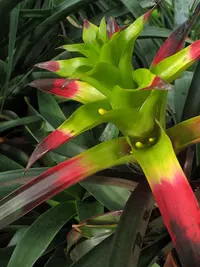
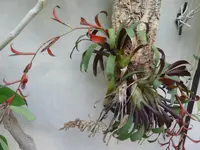
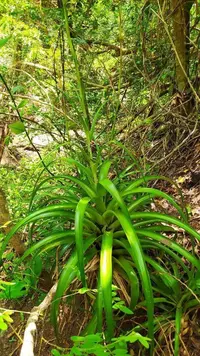
Guzmania squarrosa is a tropical bromeliad known for its bright rosette of arching leaves and a colorful, long-lasting central inflorescence. It usually grows as an epiphyte, anchoring to trees rather than rooting in deep soil.

In nature, this species occurs in warm, humid forests of Central and South America, where it collects water in its leaf tank. The plant’s compact size and slow growth make it suitable for indoor displays.

Its main requirements are steady warmth, soft filtered light, and consistent moisture without waterlogging. These traits make how to care for Guzmania squarrosa straightforward for indoor growers who can provide stable indoor conditions.


Main Plant Requirements

Care Difficulty

Moderate Care

Light Preference

Bright Indirect Light

Water Requirements

Keep Soil Moist

Temperature Preference

Tropical / Frost Sensitive

Hardiness Zone

11–12

Soil Texture

Peaty, Organic-rich, Loamy

Soil pH

Strongly acidic (4.5–5.5), Acidic (5.5–6.5)

Soil Drainage

Moist but well-drained

Fertilization

Light (every 4–6 weeks)

Get Personalized Care Plan

Scan your plant to receive care tips personalized for your specific plant

Available on iOS and Android

How to Care for the Guzmania squarrosa

This bromeliad prefers bright, gentle light that mimics filtered forest conditions.

  • Provide 6–8 hours of bright, filtered light daily, such as near an east window with sheer curtain or under light tree canopy outdoors, to support strong color and flowering in Guzmania squarrosa.
  • Allow soft early morning sun but avoid direct midday or afternoon sun, which can scorch leaves, cause bleaching patches, and dry the central cup too quickly.
  • In winter, move slightly closer to a bright window or supplement with a grow light placed 30–45 cm above the plant to compensate for shorter days and weaker light.

Watering should focus on keeping the central cup filled while avoiding soggy roots.

  • Keep the central rosette cup 1/3–1/2 full with fresh, non-salty water and flush it every 1–2 weeks to prevent mineral buildup or stagnation that encourages rot.
  • Water the potting mix only when the top 2–3 cm feels dry; pour water around the base, then let excess drain completely to avoid root rot in this epiphytic bromeliad.
  • Reduce mix watering in cool, low-light seasons and watch for signs: drooping, curling leaves suggest underwatering, while limp, brown-base leaves indicate overwatering.

Stable, warm conditions support healthy growth and flowering.

  • Aim for 65–80°F (18–27°C) for active growth; this range supports good metabolism and reduces stress for tropical bromeliads like Guzmania squarrosa.
  • Avoid temperatures below 55°F (13°C); short drops to 45–50°F (7–10°C) may be survived but can slow growth, dull leaf color, and increase disease risk.
  • Protect from frost and cold drafts, and during heat above 85°F (29°C) increase air movement and humidity while keeping the plant shaded from intense afternoon sun.

This bromeliad prefers consistently moist air and reacts quickly to very dry conditions.

  • Aim for 50–70% humidity to keep Guzmania squarrosa foliage smooth and the central rosette functioning well.
  • Dry air causes brown leaf tips, rolled edges, and a dull or collapsing central cup.
  • Increase humidity with a nearby humidifier, grouping plants, or a pebble tray, but keep the potting mix from staying wet.

Use a loose, airy, organic mix that mimics an epiphytic habitat and never compacts around the roots.

  • Choose a very well-draining mix such as 40% fine orchid bark, 30% coco coir or peat, and 30% perlite or pumice.
  • Keep soil structure chunky so air can move freely; fine, dense potting mixes hold too much water and cause rot.
  • A slightly acidic pH around 5.5–6.5 suits Guzmania squarrosa, which naturally grows on tree surfaces rather than in heavy ground soil.
  • Avoid clayey, compact, or garden soil and do not let the mix stay waterlogged, which suffocates roots and the stem base.

This species grows very well in containers due to its compact, shallow root system.

  • Select a wide, shallow pot so the rosette sits stable and the roots are not buried too deep in mix.
  • Use a container material that slows drying slightly, such as glazed ceramic, to balance the airy potting mix.
  • Raise the pot on feet or a stand so drainage water clears quickly and the base never sits in a wet saucer.

This bromeliad benefits from light feeding but is sensitive to excess nutrients.

  • Use a balanced liquid fertilizer (around 10-10-10) diluted to 1/4–1/2 strength for Guzmania squarrosa.
  • Feed every 4–6 weeks in spring and summer, applying to the central cup and lightly over the foliage, not into the potting mix.
  • Flush the cup with plain water monthly to prevent salt buildup from fertilizer residues.
  • Reduce feeding to 1 light application or stop entirely in fall and winter, when growth slows.

Pruning needs are minimal and focus on removing old or declining growth.

  • Best timing is after flowering finishes and the central rosette begins to fade.
  • Cut spent flower stalks at the base with clean, sharp scissors or pruners to keep the plant tidy.
  • Remove dead or damaged leaves by trimming them close to the base without cutting healthy tissue.
  • Light grooming improves appearance but does not significantly increase flowering in Guzmania squarrosa.

This epiphytic bromeliad prefers stable conditions and only occasional repotting.

  • Plan to repot every 2–3 years, or when roots circle the pot, mix breaks down, or growth slows without another cause.
  • Best time is spring, using a very airy mix such as orchid bark with some peat or coco coir for moisture retention.
  • Handle the root system gently; shake off loose old medium but avoid aggressive root pruning to limit stress.
  • After repotting, keep the plant slightly shaded, maintain a filled central cup, and water the mix lightly until new growth resumes.

Propagation is typically done from offsets rather than by seed.

  • Allow pups at the base of Guzmania squarrosa to reach about 1/3–1/2 the size of the mother plant before removal.
  • Best season for division is spring or early summer, when warmth and light support quick establishment.
  • Separate pups with a clean knife, keeping some roots attached, then pot in a very well-drained bromeliad or orchid mix.
  • Maintain high humidity, bright indirect light, and lightly moist medium until pups root and show new leaf growth.

This tropical species is not frost hardy and needs warm, stable conditions in winter.

  • Keep temperatures above 55–60°F; exposure near freezing can damage foliage and kill the central rosette.
  • Move outdoor containers indoors before the first frost and place in bright, indirect light.
  • Avoid cold drafts and sudden temperature swings, which stress Guzmania squarrosa and slow recovery.
  • Water less in winter, keeping the central cup only lightly filled and the potting mix just barely moist.

Care Tips

Center cup management

Periodically flush the central tank with room-temperature distilled or rainwater, then invert the plant gently to drain it fully, which helps prevent salt buildup and reduces the risk of rot and mosquito larvae when caring for Guzmania squarrosa.

Support during flowering

If the flowering stalk leans, insert a slim, smooth stake into the potting mix away from the roots and secure the bract loosely with soft plant ties to keep the inflorescence upright without damaging the tissues.

Pup separation timing

Wait to detach offsets until each pup has reached at least one-third the height of the mother rosette and shows several firm leaves, then cut it away with a sterile blade and pot it individually to ensure good establishment.

Airflow without drafts

Place the plant where there is gentle, continuous air movement from a ceiling or oscillating fan, but shield it from direct cold or hot drafts from vents to reduce fungal problems while minimizing leaf desiccation.

Salt-aware water choice

In hard-water regions, alternate tap water with distilled or rainwater to fill the central cup and moisten the mix, which limits mineral crusting on leaves and maintains healthier trichomes, the tiny absorbing scales on the foliage.

Common Pests and Diseases

Mealybugs

This pest hides in leaf axils and the central cup, sucking sap and causing yellowing, stunting, and sticky honeydew deposits that can lead to sooty mold. Symptoms include cottony white clusters at the base of leaves and around the inflorescence.

Solution

Remove visible mealybugs with a cotton swab dipped in isopropyl alcohol, then rinse the rosette and cup thoroughly with lukewarm water. For persistent infestations, apply an insecticidal soap or neem oil spray to leaf surfaces and into leaf axils, repeating every 7–10 days while also isolating the plant from others.

Scale insects

These insects appear as small, hard, brown or tan bumps on leaves and flower stalks, where they feed on sap and weaken the plant. Symptoms include dull foliage, yellow patches, and sticky honeydew around the rosette.

Solution

Gently scrape or wipe off scales with a soft cloth or toothbrush, then wash the foliage and central cup under a gentle stream of water. Follow up with a systematic treatment using horticultural oil or insecticidal soap, ensuring coverage of the undersides of leaves and leaf bases, and repeat treatments at 7–14 day intervals until no new scales appear.

Bromeliad leaf spot

This disease causes small water-soaked lesions on leaves that enlarge into brown or black spots, often with yellow halos, especially in plants kept constantly wet. These spots may coalesce, leading to blighted leaf tips and premature leaf death.

Solution

Remove and discard affected leaves or leaf sections with sterilized scissors, and avoid wetting the foliage when watering. Improve air circulation, reduce water sitting in the cup for long periods, and if spread continues, use a copper-based fungicide or bactericide labeled for bromeliads, following label rates carefully.

Cup rot

This disease affects the central water-holding cup, where stagnant water promotes fungal or bacterial growth, leading to soft, mushy tissue, foul odor, and collapse of the rosette center. Symptoms include browning from the cup outward, even when roots appear healthy.

Solution

Immediately flush the cup with clean water and tilt the plant to drain out old water, then keep only a shallow layer of fresh water in the cup and allow it to dry briefly between fillings. Remove any soft, decayed tissue with sterile tools, improve airflow and light, and in severe cases apply a broad-spectrum fungicide into the cup and onto nearby leaf bases to prevent further spread.

Fungal crown rot

This disease develops at the leaf bases where the rosette stays constantly wet and poorly ventilated, causing the lower portions to turn brown, soft, and pull away easily. Symptoms include a sour smell and progressive collapse of the central growth point while outer leaves may still look green at first.

Solution

Cut away all rotted crown tissue with disinfected tools and discard heavily affected plants that have lost their growing point. For salvageable plants, keep the rosette drier, increase air movement, maintain temperatures around 70–80°F, and apply a systemic fungicide labeled for ornamental bromeliads to remaining healthy tissue to protect new growth while adjusting watering as part of overall Guzmania squarrosa care instructions.

Interesting Facts

Rosette water reservoir

The tight leaf rosette of this species forms a natural cup that can hold rainwater, which in its native habitat supports small invertebrates and provides the plant with dissolved nutrients as the trapped organic matter decomposes.

Short-lived central inflorescence

The bright, long-lasting colored bracts around the central flower spike can remain showy for several months, but the actual individual flowers are relatively small and short-lived, opening and fading in succession along the spike.

Post-flowering offset production

After the main rosette flowers, it gradually senesces and dies, but it typically produces several offsets, or pups, at the base that can mature into new flowering rosettes, allowing the clonal lineage to persist for many years.

FAQs about Guzmania squarrosa

Lack of flowering usually comes from insufficient light, old age after a previous bloom, or stress such as low humidity or temperature swings. Ethylene from ripe fruit nearby can also shorten or prevent bloom development.

Grow Healthy Plants with Botan Care

Keep your plants happy and healthy with plant identification, disease detection, and easy care guidance.

Botan plant care app — identify plants on mobile

Explore More Plants