Guzmania wittmackii Care

Guzmania wittmackii

About Guzmania wittmackii

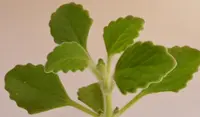
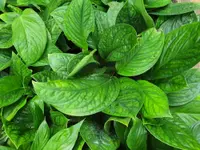
Guzmania wittmackii is a tropical bromeliad native to Central and South American rainforests, where it grows as an epiphyte on trees. It forms a rosette of glossy, arching green leaves that funnel water into a central cup.

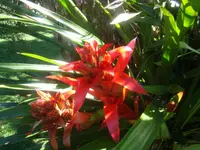
From this rosette, it produces a tall, colorful bracted spike that can stay attractive for several months, while the true flowers are small and short-lived. Its compact size and slow growth make it suitable for indoor spaces and for beginners willing to learn how to care for Guzmania wittmackii.

The plant prefers bright, indirect light, consistently moist but not waterlogged conditions, and a well-draining, airy mix similar to orchid or bromeliad substrates.

Main Plant Requirements

Care Difficulty

Moderate Care

Light Preference

Bright Indirect Light

Water Requirements

Keep Soil Moist

Temperature Preference

Tropical / Frost Sensitive

Hardiness Zone

11–12

Soil Texture

Peaty, Organic-rich

Soil pH

Acidic (5.5–6.5)

Soil Drainage

Moist but well-drained

Fertilization

Light (every 4–6 weeks)

Get Personalized Care Plan

Scan your plant to receive care tips personalized for your specific plant

Available on iOS and Android

How to Care for the Guzmania wittmackii

This bromeliad prefers bright, gentle light that mimics dappled tropical canopy conditions.

  • Provide 6–8 hours of bright, indirect light each day; morning sun through an east window or shaded patio is suitable for Guzmania wittmackii.
  • Avoid harsh midday or afternoon sun, which can scorch leaves, cause bleaching, and create dry, brown patches on the leaf tips and edges.
  • In darker seasons or north-facing rooms, move the plant closer to the light source and supplement with a weak grow light if leaf color fades.

This species prefers evenly moist conditions with a lightly filled central cup rather than constantly wet soil.

  • Keep the leaf rosette (central cup) about 1/3–1/2 full with fresh water and flush it out every 1–2 weeks to prevent stagnation and mineral buildup.
  • Let the top 2–3 cm of potting mix dry before watering the substrate; roots should stay moist but never sit in waterlogged, soggy soil.
  • Reduce watering slightly in cooler months and watch for soft, collapsing leaves from overwatering or crisp, curling tips from underwatering.

This bromeliad thrives in stable, warm conditions similar to a tropical understory climate.

  • Aim for 65–80°F (18–27°C) for active growth, with the most consistent performance around 70–75°F (21–24°C).
  • Protect the plant from temperatures below 55°F (13°C); brief drops to 45–50°F (7–10°C) may be survived but can slow growth and damage foliage.
  • Avoid hot, stagnant air above 90°F (32°C); provide shade and air movement, and never expose the plant to frost or cold drafts near doors or windows.

This bromeliad prefers consistently moist air to maintain healthy foliage and bracts.

  • Aim for 50–70% humidity; it tolerates brief dips lower but dries out in heated rooms.
  • Watch for browning leaf tips or curling edges as signs of humidity stress in Guzmania wittmackii.
  • Increase humidity with a pebble tray, grouping plants, or a fine mist in the morning, avoiding water sitting in leaf axils overnight.

Use a loose, airy, organic-rich mix that drains rapidly yet holds light, even moisture around the roots.

  • Choose a mix based on fine orchid bark, peat or coco coir, and perlite to keep the structure open and well aerated.
  • Ensure water runs through within seconds; soggy or compacted media quickly lead to root and base rot.
  • Slightly acidic conditions around pH 5.5–6.5 suit Guzmania wittmackii and help nutrient uptake.
  • Avoid heavy garden soil, dense potting mixes, or sand-heavy blends that either compact or stay wet for too long.

This species is well suited to container growing due to its compact root system and rosette form.

  • Select a pot only 2–4 cm wider than the root ball to prevent excess unused mix staying wet.
  • Use a stable, heavier container if the flowering rosette makes the plant top-heavy and prone to tipping.
  • Choose a pot material that slows drying slightly, such as ceramic, if the mix and location cause rapid moisture loss.

This bromeliad needs modest feeding, as roots mainly anchor rather than absorb large nutrient quantities.

  • Use a balanced liquid fertilizer (around 10-10-10) at 1/4–1/2 strength, applied to the central cup and leaves, not packed soil.
  • Feed every 4–6 weeks during spring–summer while Guzmania wittmackii is actively growing and flowering.
  • Rinse and refill the leaf cup with plain water between feedings to avoid salt buildup on tissues.
  • Reduce feeding to 1 light application or none in fall–winter, especially in low light or cooler rooms.

Pruning needs are light and mainly focused on hygiene and appearance for this bromeliad.

  • Best timing is after flowering when the central rosette begins to fade or brown.
  • Remove the spent flower spike and any dead or damaged leaves with clean, sharp scissors close to the base.
  • Trim only brown tips rather than whole leaves if most tissue remains green and firm.
  • Selective removal of old foliage improves airflow and light to pups without altering the plant’s natural rosette shape.

This species stays compact and is usually repotted infrequently, mainly for stability and pup management.

  • Repot every 2–3 years or when roots circle the pot, the plant becomes top-heavy, or growth stalls despite good care.
  • Choose spring or early summer, using a very airy mix such as orchid bark with some peat or coco coir.
  • Gently lift the plant, disturbing roots as little as possible, and set it at the same depth in the new container.
  • Firm the mix lightly, water, then keep in bright, indirect light and slightly higher humidity for 1–2 weeks to reduce stress.

New plants are most reliably obtained by removing and rooting basal offsets, known as pups.

  • Allow pups to reach about 1/3–1/2 the size of the mother plant before separation, usually in spring or early summer.
  • Use a clean knife to cut pups away with a small portion of the basal stem attached.
  • Pot each pup in a small container with a very free-draining bromeliad or orchid mix.
  • Maintain high humidity, warm temperatures (70–80°F), and bright, indirect light to encourage rooting and new leaf growth.

This tropical bromeliad is frost tender and must be kept above freezing in all climates.

  • Move outdoor containers indoors before temperatures drop below 50°F and place in bright, indirect light.
  • Maintain indoor temperatures around 65–80°F and avoid cold drafts from windows or doors.
  • Water less in winter but keep the central cup lightly filled, using room-temperature water.
  • Ensure the potting mix dries slightly between waterings to prevent root rot in cooler, lower-light conditions.

Care Tips

Central cup management

After each flowering cycle, flush the central cup with distilled or rainwater to remove debris and old nectar, then gently dry the rosette edge with a paper towel to reduce fungal issues and mosquito breeding.

Offset selection

Allow multiple pups to form, then detach and pot only the strongest offsets once they reach at least one-third the size of the mother rosette, discarding weak or distorted ones to maintain a vigorous collection.

Support during shipping

If the plant must be moved or shipped, loosely fill the central cup with crumpled paper towel and wrap the rosette with breathable packing material to prevent leaf breakage and water spillage.

Seasonal light shifts

Rotate the plant slightly every 2–3 weeks and move it a little farther from windows in summer but closer in winter, preventing asymmetric rosette growth and light scorch as outdoor light intensity changes.

Water quality routine

Set up a simple routine of collecting rainwater or using filtered, low-mineral water for both the cup and potting mix, since consistent low-salt water significantly reduces leaf tip burn and mineral crust when caring for Guzmania wittmackii.

Common Pests and Diseases

Scale insects

These insects attach to leaves and the central rosette, sucking sap and causing yellowing, stunted growth, and sticky honeydew on the foliage.

Solution

Remove affected leaves if heavily infested and wipe remaining foliage and the cup area with a cotton pad dipped in diluted isopropyl alcohol or insecticidal soap, repeating weekly until no new scales appear. Improve air movement around the plant and avoid overfertilizing, which encourages soft growth that is more attractive to scale.

Mealybugs

These insects form white, cottony clusters in leaf axils and around the central tank, weakening the plant and sometimes deforming new leaves or flower bracts.

Solution

Flush the rosette and tank with lukewarm water, then spot-treat visible colonies with cotton swabs dipped in isopropyl alcohol or a ready-to-use insecticidal soap. Isolate the plant from others, check hidden crevices regularly, and repeat treatment every 7–10 days until no mealybugs are seen.

Fungal leaf spot

This disease causes small water-soaked or brown spots on leaves, often starting where water remains on the foliage or inside the rosette for long periods.

Solution

Remove and discard affected leaves, then allow the tank to dry slightly by temporarily emptying standing water and refilling with fresh water after a few days. Provide stronger air circulation, keep water out of the leaf surface where possible, and use a copper- or chlorothalonil-based fungicide if new spots continue to appear.

Tank rot

This disease affects the central rosette or tank when stagnant water and organic debris accumulate, leading to a soft, foul-smelling crown and collapsing leaves.

Solution

Empty the tank completely, trim out any soft or blackened tissue, and refill with fresh, non-chlorinated water changed at least weekly. Maintain bright, indirect light, avoid overcooling and overwatering the potting mix, and discard the whole plant if rot reaches the crown and tissue turns mushy throughout.

Root and basal rot

Symptoms include browning and collapse of lower leaves and a sour smell from the potting mix when plants sit in dense, waterlogged substrate or containers without drainage.

Solution

Unpot the plant, cut away all soft, dark roots and affected basal tissue, and replant in a fresh, very well-draining bromeliad mix in a pot with drainage holes. Water lightly around the roots, keep the tank filled instead of saturating the substrate, and maintain warm temperatures and good airflow to support recovery while following basic Guzmania wittmackii care instructions.

Interesting Facts

Tank-forming bromeliad

This species forms a tight rosette that creates a central water tank, which in nature collects rain, leaf litter, and small organic debris that supply nutrients in its nutrient-poor epiphytic habitat.

Epiphytic lifestyle

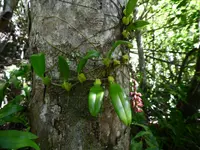
In its native range in tropical South America, this plant typically grows as an epiphyte on tree branches, anchoring with roots mainly for support while absorbing moisture and dissolved minerals through specialized leaf surfaces.

Long-lasting bracts

The showy red or orange structures often thought of as flowers are actually bracts, which can remain colorful for several months, while the true flowers are small, short-lived, and emerge from between these bracts.

Botan icon

Did you know?

Guzmania wittmackii has been widely used in breeding programs to produce many modern indoor bromeliad hybrids, contributing its strong rosette form and long-lasting colorful bracts to cultivars commonly sold in the houseplant trade.

FAQs about Guzmania wittmackii

This bromeliad usually blooms only once when mature, then slowly declines while producing offsets (pups). Lack of bloom often means it is still immature, recently repotted, stressed by cold or drafts, or recovering from previous underwatering or overwatering.

Grow Healthy Plants with Botan Care

Keep your plants happy and healthy with plant identification, disease detection, and easy care guidance.

Botan plant care app — identify plants on mobile

Explore More Plants