Piper crassinervium Care

Piper crassinervium

About Piper crassinervium

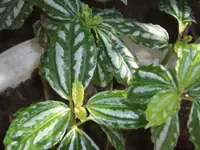
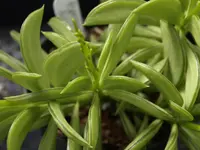
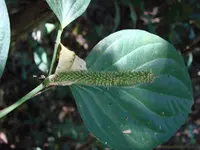
Piper crassinervium is a tropical understory shrub or small vine from the rainforests of Brazil. It belongs to the pepper family and is grown mainly as a foliage plant indoors. Leaves are large, oval, and strongly veined, often with a textured surface that gives the plant a bold, architectural look.

In cultivation it stays compact but can climb or sprawl if given support. It prefers warm, humid, and sheltered conditions with evenly moist, well-drained soil.

These traits make it moderately easy to grow for those who can provide stable indoor humidity and avoid cold drafts. Understanding how to care for Piper crassinervium starts with treating it like a shade-loving tropical forest plant.

Main Plant Requirements

Care Difficulty

Moderate Care

Light Preference

Bright Indirect Light

Water Requirements

Keep Soil Moist

Temperature Preference

Tropical / Frost Sensitive

Hardiness Zone

Unknown

Soil Texture

Loamy, Peaty, Organic-rich

Soil pH

Acidic (5.5–6.5), Slightly acidic (6.5–7.0)

Soil Drainage

Moist but well-drained

Fertilization

Light (every 4–6 weeks)

Get Personalized Care Plan

Scan your plant to receive care tips personalized for your specific plant

Available on iOS and Android

How to Care for the Piper crassinervium

This species prefers bright, gentle light similar to a shaded forest edge.

  • Provide 6–8 hours of bright, filtered light each day, such as light through a sheer curtain or dappled shade under taller plants.
  • Allow early morning sun only; strong midday or afternoon direct sun can scorch Piper crassinervium leaves, causing pale patches and crispy edges.
  • In winter, move plants closer to bright windows or brighter positions outdoors, as lower sun intensity and shorter days reduce overall light exposure.

This plant prefers evenly moist but not saturated soil, with brief drying near the surface.

  • Water when the top 2–3 cm of soil feels dry, using enough water to moisten the full root zone, then let excess drain away.
  • In warm, active growth, expect to water more often; reduce frequency in cooler months while still preventing the root ball from fully drying out.
  • Watch for overwatering signs such as yellowing, limp leaves and sour-smelling soil, or underwatering signs like drooping, thin leaves and dry, shrinking soil.

This species thrives in stable, warm, frost-free conditions.

  • Aim for 65–80°F (18–27°C) for best growth, avoiding sudden swings of more than about 10°F (6°C) within a day.
  • Protect from temperatures below 55°F (13°C); light chills can cause leaf drop, and frost will kill exposed tissues.
  • In hotter periods above 85°F (29°C), increase shade and airflow, and avoid placing the plant near heat-reflective surfaces that can overheat foliage.

This species prefers humid air and reacts quickly to dry indoor conditions.

  • Aim for 60–80% humidity; it tolerates brief dips to 40–50% but grows slower and may crisp at the leaf edges.
  • Watch for curling, brown margins, and stalled new growth as signs of low-humidity stress.
  • Increase humidity with a nearby humidifier, grouped plants, and a pebble tray placed under but not touching the pot base.

This plant needs an airy, fast-draining yet moisture-retentive mix similar to epiphytic aroid soil.

  • Use a loose blend such as 40% fine bark, 30% peat or coco coir, 20% perlite, and 10% compost for Piper crassinervium.
  • Aim for slightly acidic to neutral pH, around 6.0–7.0, to keep nutrients available without salt build-up.
  • Include chunky elements like bark and coarse perlite to improve aeration and prevent roots from remaining waterlogged.
  • Avoid dense garden soil, unamended potting soil, or heavy clay mixes that compact and suffocate roots over time.

This species is well suited to container growing when the pot supports its vining, somewhat top-heavy habit.

  • Choose a wide, stable pot to prevent tipping as stems elongate and lean on supports or nearby structures.
  • Select a slightly deeper container to give room for a fibrous root system without crowding near the surface.
  • Use a breathable material like terracotta if growth is in a damp location, since it helps excess moisture evaporate from the root zone.

Nutrient support helps Piper crassinervium maintain steady foliage growth in containers.

  • Use a balanced liquid fertilizer (around 10-10-10 or 20-20-20) diluted to 1/4–1/2 strength for indoor plants.
  • Feed every 4–6 weeks during the warm growing season when light and watering are consistent.
  • Pause or reduce feeding to 1 light application in midwinter if growth slows under shorter days.
  • Organic options like dilute compost tea or a light slow-release blend also work if applied sparingly.

Light pruning helps Piper crassinervium stay compact and leafy.

  • Plan structural pruning in late winter or early spring before strong new growth begins.
  • Remove dead, damaged, or crossing stems using clean, sharp scissors or pruning shears.
  • Shorten overly long vines just above a node to encourage branching and fuller growth.
  • Limit cuts to thinner, non-woody stems to avoid stressing the plant and to maintain its natural form.

Container-grown Piper crassinervium benefits from occasional repotting to refresh soil and space roots.

  • Check for roots circling the pot base, pushing through drainage holes, or slowed growth as signs it needs more room.
  • Repot every 2–3 years in spring, stepping up only 1–2 in pot size to avoid waterlogged soil.
  • Gently loosen root-bound coils, trim only damaged roots, and replant in airy, well-draining mix rich in organic matter.
  • Water thoroughly after repotting, then keep slightly moist and shaded for 7–10 days to limit transplant stress.

This species is commonly multiplied by stem cuttings taken from healthy, actively growing vines.

  • Take 8–12 cm semi-softwood tip cuttings in late spring or summer with at least 2–3 nodes.
  • Remove lower leaves, optionally dip the cut end in rooting hormone, and insert into moist, sterile, well-draining mix.
  • Maintain high humidity (cover with a clear dome or bag) and bright, indirect light at 70–80°F for rooting.
  • Keep the medium just slightly moist, then pot on individually once new growth and firm root resistance appear.

This tropical species is frost tender and needs consistent warmth in winter.

  • In climates below 55°F, grow Piper crassinervium in containers so plants can be overwintered indoors.
  • Bring plants inside before night temperatures drop near 50°F to prevent chilling injury to leaves and stems.
  • Place indoors in bright, indirect light and reduce watering so the top soil layer dries slightly between waterings.
  • Avoid cold drafts, unheated windowsills, and hot, dry air from heaters to limit leaf drop and stress.

Care Tips

Support climbing habit

Install a slim moss pole or rough wooden stake close to the stem and gently tie new shoots with soft plant ties so the plant can climb and develop larger, better-textured leaves.

Encourage bushier growth

Pinch or lightly prune the tips of overly long vines in early spring to stimulate side shoots and keep the plant compact and fuller in a container.

Improve airflow around foliage

Space the plant slightly away from walls and neighboring pots and run a small fan on a low, indirect setting nearby to reduce fungal spots on the large leaves.

Leaf cleaning routine

Wipe both sides of the leaves every 3–4 weeks with a damp, soft cloth to remove dust, improve light capture, and allow early detection of pests while caring for Piper crassinervium.

Gradual acclimation moves

When relocating the plant between rooms or seasons, shift its position over 3–5 days by moving it a short distance at a time to reduce stress and leaf drop from sudden environment changes.

Common Pests and Diseases

Spider mites

This pest tends to appear in warm, dry indoor air and on the undersides of the large leaves, where it causes fine stippling, dulling, and webbing. Symptoms include slow decline, leaf yellowing, and a dusty or speckled look to the foliage.

Solution

Rinse foliage thoroughly with lukewarm water, focusing on leaf undersides, and repeat every few days for 2–3 weeks; then raise humidity to 50–60% and avoid placing the plant near heating vents. For persistent infestations, use insecticidal soap or a neem oil spray, applied in the evening and tested on a small area first to check for leaf sensitivity.

Mealybugs

These insects gather in leaf axils, along the midrib, and on soft stems, appearing as white cottony clumps and causing leaf distortion and sticky honeydew. Symptoms include slowed growth, yellowing, and sooty mold growing on the honeydew deposits.

Solution

Isolate the plant, then dab visible insects with cotton swabs dipped in 70% isopropyl alcohol and wipe affected areas. Follow with a gentle wash of the leaves and apply insecticidal soap every 7–10 days until no new mealybugs appear, while also checking nearby plants to limit re‑infestation and supporting overall Piper crassinervium care with stable warmth and light.

Scale insects

These insects appear as small brown or tan bumps along stems and leaf veins, where they feed on sap and weaken the plant. Symptoms include sticky honeydew, black sooty mold, and gradual leaf yellowing or drop.

Solution

Manually remove scale by gently scraping with a fingernail or soft brush, or by wiping with a cloth lightly moistened with 70% isopropyl alcohol. After physical removal, treat with horticultural oil or insecticidal soap, repeating every 10–14 days and improving light and airflow so foliage dries promptly after watering.

Bacterial leaf spot

This disease shows as water-soaked, translucent patches that turn brown, often with a yellow halo, especially on leaves that stay wet or in very humid, stagnant air. Symptoms include coalescing spots and premature leaf drop on the lower, older leaves first.

Solution

Remove and discard affected leaves, avoid overhead watering, and keep foliage as dry as possible by watering the substrate directly. Improve air movement around the plant, reduce overcrowding, and sterilize tools; in severe cases, discard heavily infected plants to protect others, since bactericidal products have limited effectiveness indoors.

Foliar fungal blight

This disease causes irregular tan or dark-brown lesions on the broad leaves, sometimes with a dry, papery center, often after prolonged leaf wetness or poor airflow. Symptoms include rapid expansion of spots in warm, humid conditions and general decline in leaf quality.

Solution

Prune and dispose of all affected leaves, then space the plant to increase airflow and allow leaves to dry quickly after watering or misting. Avoid wetting the foliage, reduce humidity slightly, and, if the problem persists, apply a labeled indoor-safe fungicide according to instructions while monitoring new growth for clean, unspotted leaves.

Interesting Facts

Thickly veined foliage

This species is named for its unusually thick, raised veins, which create a strong contrast against the dark green leaf blade and give the leaves a textured, almost quilted appearance.

Climbing understory shrub

In its native Brazilian Atlantic Forest habitat, this plant grows as a scandent shrub, using nearby vegetation for support rather than climbing with specialized tendrils or aerial roots.

Shade-adapted leaves

The broad, thin leaf blades are adapted to the low, filtered light of the forest understory, allowing efficient light capture while avoiding damage from intense direct sun, which is important to understand for Piper crassinervium indoor care.

FAQs about Piper crassinervium

Leaf curling usually comes from inconsistent moisture, low humidity, or sudden temperature changes. Check the root zone for dryness or waterlogging, raise humidity around the plant, and avoid drafts or cold air from windows and vents.

Grow Healthy Plants with Botan Care

Keep your plants happy and healthy with plant identification, disease detection, and easy care guidance.

Botan plant care app — identify plants on mobile

Explore More Plants