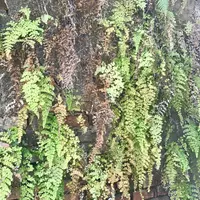
Natal grass cycad Care (Stangeria eriopus)

Also known as: Stanger's cycad, Grass Cycad, Nash
Natal grass cycad

About Natal grass cycad

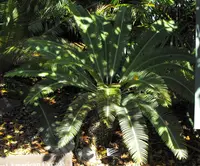
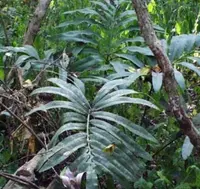
Natal grass cycad, Stangeria eriopus, is an unusual cycad that looks more like a fern, with soft, divided leaves emerging from an underground tuber. It stays relatively low and compact, making it suitable for containers or small garden spaces.

This species is native to coastal and forested areas of South Africa, where it grows in filtered light and well-drained, sandy or loamy soils. It grows slowly and is sensitive to overwatering and root disturbance, which can make it a bit challenging for beginners.

Those who want to learn how to care for Natal grass cycad should focus on stable warmth, bright but gentle light, and evenly moist, never waterlogged soil.

Main Plant Requirements

Care Difficulty

Moderate Care

Light Preference

Partial Shade

Water Requirements

Moderate Water

Temperature Preference

Tropical / Frost Sensitive

Hardiness Zone

10–11

Soil Texture

Sandy, Loamy, Organic-rich

Soil pH

Acidic (5.5–6.5), Slightly acidic (6.5–7.0)

Soil Drainage

Well-drained

Fertilization

Minimal (feed rarely)

Get Personalized Care Plan

Scan your plant to receive care tips personalized for your specific plant

Available on iOS and Android

How to Care for the Natal grass cycad

This cycad prefers bright, gentle light that mimics dappled forest conditions.

  • Provide 3–5 hours of soft morning sun with bright, filtered light for the rest of the day; Natal grass cycad scorches in harsh midday or late afternoon sun, especially in hot climates.
  • In warm regions, plant under high tree canopy or use 30–50% shade cloth to create broken shade and protect fronds from bleaching and crisping.
  • In cooler coastal areas, it tolerates more direct sun, but if fronds yellow, curl, or develop brown tips, shift it to brighter shade or lighter morning-only sun exposure.

This species prefers evenly moist but never waterlogged soil around its tuberous rootstock.

  • Water when the top 3–5 cm of soil feel dry, letting water soak deeply into the root zone, then drain away fully to prevent standing water and root rot.
  • During active growth in spring and summer, drying between waterings should be brief; in cooler months, allow the soil to stay slightly drier while avoiding complete, prolonged dryness.
  • Watch fronds for cues: limp, curling, or crisping leaflets suggest underwatering, while yellowing bases, soft crown tissue, or a sour soil smell point to overwatering and poor drainage around Stangeria eriopus.

This cycad favors mild, frost-free conditions with stable temperatures.

  • Aim for an active growth range of 65–80°F (18–27°C), where root and frond development are steady and stress is minimal.
  • Protect from cold below 40°F (4°C); brief dips to 35°F (2°C) may be survived, but repeated chills or any hard frost can damage fronds and the underground tuber.
  • In hot spells above 90°F (32°C), increase shade and airflow, and avoid reflected heat from walls or paving to reduce leaf scorch and desiccation risk.

This cycad prefers moderately humid air but usually adapts to average indoor conditions.

  • Aim for 40–60% humidity; it tolerates short dry spells but prolonged very dry air slows growth.
  • Leaf tips browning, rolled leaflets, and stalled new fronds indicate humidity stress in Natal grass cycad.
  • Increase humidity by grouping plants, placing the pot on a pebble tray with water, or running a nearby room humidifier.

Stangeria eriopus grows best in a loose, sharply drained yet slightly organic soil mix.

  • Use a sandy loam style mix: 40% cactus mix, 40% coarse sand or grit, 20% fine bark or composted pine bark.
  • Ensure fast drainage; water should pass through within seconds and not leave the mix soggy for more than a few hours.
  • Keep pH slightly acidic to neutral, around 6.0–7.0, avoiding strongly alkaline substrates that can limit nutrient uptake.
  • Improve aeration by adding extra pumice or perlite and avoid heavy clay, peat-only mixes, or compacted garden soil.

This species is well suited to container growing when root depth and drainage are carefully managed.

  • Choose a deep, heavy pot to anchor the plant’s underground tuber and prevent tipping in windy spots.
  • Select mineral-based, fast-draining media in containers, since closed pots retain moisture longer than ground soil.
  • Raise the pot slightly on feet or bricks so drainage holes stay clear and excess water escapes quickly after watering.

Stangeria eriopus grows slowly and needs only light, careful feeding to stay healthy in cultivation.

  • Use a balanced, slow-release fertilizer (around 10-10-10) or well-aged compost at the start of the warm growing season.
  • Feed once every 8–10 weeks during active growth, keeping rates low to avoid damaging the sensitive roots.
  • Dilute liquid feeds to 1/4–1/2 strength and apply to moist soil, never to dry roots.
  • Stop feeding in late fall and winter, as the Natal grass cycad shifts into a semi-rest period.

Stangeria eriopus requires minimal pruning, mainly to maintain health rather than to control size.

  • Carry out light pruning in late winter or early spring before strong new growth starts.
  • Remove only dead, diseased, or badly damaged fronds, cutting cleanly at the base with sharp, disinfected pruners.
  • Avoid cutting healthy green fronds, as each leaf contributes significantly to this cycad’s slow energy production.
  • Occasionally thin out badly crowded or crossing fronds to improve airflow and reduce rot risk.

This cycad resents disturbance, so repot or transplant Stangeria eriopus only when clearly necessary.

  • Look for roots circling the pot, pushing through drainage holes, or noticeably slowed growth as signals to move up a size.
  • Plan any repotting or transplanting for late spring to early summer, when soil is warm and recovery is fastest.
  • Expect to repot container plants roughly every 4–6 years, shifting just 1 pot size up into a very free-draining mix.
  • Handle the fleshy taproot gently, keep the original soil mass intact, and water lightly afterward to limit transplant shock.

Stangeria eriopus is usually propagated from seed and is considered slow and challenging for most home growers.

  • Collect fresh, ripe seeds and clean off any remaining fruit before sowing.
  • Sow in late spring to early summer in a very well-drained, sterile medium kept at 70–80°F with high, but not stagnant, humidity.
  • Provide bright, indirect light and consistent, slightly moist conditions; germination can take many months.
  • Avoid disturbing young seedlings, as their developing taproots are fragile and respond poorly to early transplanting.

This subtropical cycad is sensitive to hard frost and benefits from targeted winter protection in cooler climates.

  • In the ground, add a 5–8 cm layer of dry mulch around the root zone, keeping it slightly away from the crown.
  • In regions below 25°F, grow in containers so plants can be moved indoors to a bright, cool, frost-free room.
  • Use breathable frost cloth over outdoor plants during short cold snaps, avoiding plastic that traps condensation.

Care Tips

Protective potting angle

When planting in a container, position the underground stem slightly angled and keep the crown just above the soil line to reduce rot risk and allow new leaf crowns to emerge more easily over time.

Seasonal rest management

If growth slows and older fronds yellow in cooler months, reduce handling and disturbance of the tuber, leaving it in its pot and only removing fully dry fronds to protect the growing point during its semi-dormant phase.

Root-zone inspection

Every 2–3 years, unpot the plant in late spring and check the tuber and roots, trimming only clearly dead or mushy tissue with a sterile blade before replanting into fresh mix to prevent hidden rot from spreading.

Frond support strategy

Provide low, discreet supports such as short peony rings or half-hoops for long fronds in windy or high-traffic spots, which helps prevent mechanical damage at the base where breaks heal poorly.

Slug and snail defense

In shaded, moist locations, protect new fronds from slugs and snails by using physical barriers like copper tape on pots or sharp mineral mulch around the crown, rather than relying only on chemical baits when growing Natal grass cycad.

Common Pests and Diseases

Scale insects

This pest attaches to fronds and leaf stalks, sucking sap and causing yellowing, speckling, and gradual decline, especially on stressed cycads. Symptoms include small, brown or off‑white bumps that do not rub off easily and may exude sticky honeydew.

Solution

Physically remove visible scale with a soft brush or cotton swab dipped in isopropyl alcohol, then rinse fronds thoroughly with lukewarm water. For ongoing Stangeria eriopus care, repeat manual removal every 7–10 days and use a light horticultural oil spray to smother remaining juveniles, taking care to spray in the cool part of the day and avoid heavy runoff into the soil crown.

Cycad aulacaspis scale

This pest is a highly aggressive armored scale that can blanket fronds, petioles, and even underground stems with white, crusty patches, leading to rapid yellowing and dieback. These insects are often first noticed as a dense white dusting on the underside of fronds and can spread to nearby cycads.

Solution

Isolate the plant immediately and cut off heavily encrusted fronds, sealing and discarding them in the trash. Wash remaining foliage thoroughly with soapy water, then apply a labeled horticultural oil or systemic insecticide suitable for cycads, making 2–3 follow‑up treatments at 10–14 day intervals while monitoring new growth for any resurgence.

Mealybugs

This pest hides in the leaflet bases, crown, and roots, sucking sap and causing distorted new growth, leaf yellowing, and sticky honeydew that can attract sooty mold. Symptoms include cottony white clusters in crevices and around the base of the plant or in the potting mix.

Solution

Inspect the crown and leaf bases closely, then wipe or wash off visible colonies with cotton swabs dipped in alcohol or with a firm stream of water. For persistent infestations, drench the root zone with an appropriate systemic insecticide and improve cultural conditions by avoiding excess nitrogen and overcrowding, which favor mealybug buildup.

Crown and caudex rot

This disease causes softening, browning, and collapse of the central crown and underground caudex, often following waterlogged conditions or mechanical injury. Symptoms include foul smell, mushy tissue at the base of fronds, and fronds yellowing or dropping from the center outward.

Solution

Immediately remove and discard all soft, discolored tissue from the crown using sterile tools, then dust exposed surfaces with a fungicidal powder such as copper or sulfur, allowing the area to dry thoroughly. Improve drainage by using a coarse, free‑draining mix, watering only when the top layer has dried, and avoiding water sitting in the crown, especially in cool weather.

Sooty mold

This disease is a secondary fungal growth that develops on honeydew produced by sap‑sucking insects such as scale or mealybugs, coating leaf surfaces with a black, powdery film. Symptoms include dull, blackened fronds and reduced photosynthesis, while underlying insect pests remain active.

Solution

Address the underlying insect problem first by controlling scale or mealybugs, then gently wipe or wash affected fronds with lukewarm, soapy water to remove the fungal coating. Improve air circulation around the plant and avoid overhead watering that keeps foliage wet for long periods, as this slows the return to clean, functional foliage.

Interesting Facts

Fernlike cycad leaves

Although it is a cycad, this species has soft, pinnate foliage that closely resembles a fern, which led early botanists to misclassify it as a fern rather than a gymnosperm. Detailed anatomical studies of its vascular tissue and reproductive structures later confirmed its placement in the cycad lineage.

Single surviving species

Stangeria eriopus is the only species in the genus Stangeria, making it a monotypic genus with no close living congeners. This status highlights its evolutionary distinctness within the cycad family.

Underground storage tuber

The plant forms a large underground tuber that stores water and nutrients and allows it to resprout after damage or unfavorable seasons. This storage organ contributes to its resilience in the variable climates of its native South African habitats.

Botan icon

Did you know?

Fossil and anatomical evidence suggests that Stangeria eriopus retains several primitive cycad features, and its unique combination of fernlike leaves and cycad reproductive traits has made it an important model species in studies of seed plant evolution and the early diversification of cycads.

FAQs about Natal grass cycad

Yellowing fronds often result from natural aging, root rot, nutrient deficiency, or cold stress. Check for soggy soil, compacted mix, or pale new growth. Remove only fully yellow fronds and correct the underlying issue gradually.

Grow Healthy Plants with Botan Care

Keep your plants happy and healthy with plant identification, disease detection, and easy care guidance.

Botan plant care app — identify plants on mobile

Explore More Plants