polished maidenhair Care (Adiantum concinnum)

polished maidenhair

About polished maidenhair

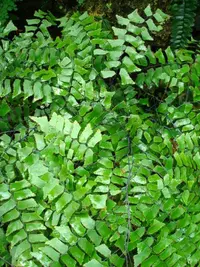
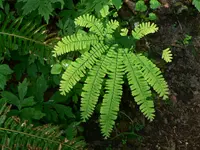
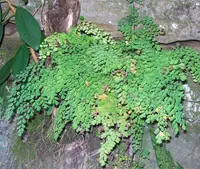
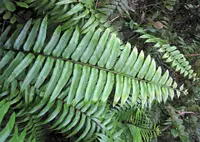
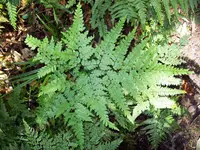
Polished maidenhair (Adiantum concinnum) is a delicate evergreen fern valued for its fine, arching fronds and glossy, fan-shaped leaf segments on dark, wiry stems. It forms a soft, airy clump that suits tabletops, shelves, and shaded terrariums.

This species is native to warm, humid forests of Central and South America, where it grows in sheltered, consistently moist conditions. Its thin fronds dry out quickly, so it is less forgiving of neglect than many common houseplants.

Stable humidity, gentle indirect light, and evenly moist, well-drained soil are key to successful care for polished maidenhair.

Main Plant Requirements

Care Difficulty

Hard Care

Light Preference

Bright Indirect Light

Water Requirements

Keep Soil Moist

Temperature Preference

Tropical / Frost Sensitive

Hardiness Zone

10–11

Soil Texture

Loamy, Peaty, Organic-rich

Soil pH

Acidic (5.5–6.5)

Soil Drainage

Moist but well-drained

Fertilization

Light (every 4–6 weeks)

Get Personalized Care Plan

Scan your plant to receive care tips personalized for your specific plant

Available on iOS and Android

How to Care for the polished maidenhair

This fern prefers bright, indirect light that mimics a shaded forest floor.

  • Provide 4–6 hours of filtered or dappled light daily, such as light through sheer curtains or under high tree canopy.
  • Tolerates partial shade, but in very dim sites fronds grow sparse and weak; move slightly closer to a bright window or brighter understory position if growth slows.
  • Avoid direct midday or afternoon sun, which scorches leaf tips; soft morning sun for 1–2 hours suits polished maidenhair in cooler climates.

This fern needs consistently moist but not waterlogged soil.

  • Water when the top 1–2 cm of soil feels slightly dry, aiming to keep the root zone evenly damp, especially during active growth in spring and summer.
  • Use loose, well-drained, humus-rich soil so excess water can drain away; standing water around roots quickly leads to rot and blackened, collapsing fronds.
  • Reduce watering slightly in cooler months, but never let Adiantum concinnum dry out completely; crisping frond edges signal underwatering, while yellow, mushy bases indicate excess moisture.

This fern prefers mild, frost-free conditions with stable temperatures.

  • Aim for 65–75°F (18–24°C) for best growth; it handles short periods up to about 80–82°F (27–28°C) if humidity stays high and soil does not dry out.
  • Avoid temperatures below 50°F (10°C); light chills stunt new fronds, and frost kills foliage, especially in exposed or windy garden sites.
  • In hot summers, provide shade and extra humidity to reduce heat stress, and in cooler seasons protect plants from cold drafts, unheated porches, and sudden night temperature drops.

This fern needs consistently high humidity to maintain healthy, delicate fronds.

  • Aim for 60–80% humidity; below 50% the frond tips of polished maidenhair often brown and curl.
  • In dry rooms, use a small humidifier, pebble tray with water below the pot base, or group plants closely to create a moister microclimate.
  • Watch for crisp edges, stalled new fronds, and rapid leaf drop as signs of humidity stress rather than underwatering.

This species prefers a light, humus-rich mix that stays evenly moist yet airy around the roots.

  • Use a loose mix of 2 parts peat or coco coir, 1 part fine compost, and 1 part perlite or fine bark for structure and aeration.
  • Ensure fast drainage so water passes through within seconds while the mix still holds moisture, preventing waterlogging around the rhizomes.
  • Keep soil slightly acidic, roughly pH 5.5–6.5, which supports nutrient availability for Adiantum concinnum and limits mineral buildup.
  • Avoid heavy garden soil, pure peat without added structure, or mixes that compact quickly, since low oxygen around roots leads to rot.

This fern adapts well to container growing when moisture and stability are carefully managed.

  • Choose a wide, shallow pot so the spreading rhizomes can colonize the surface without deep, stagnant zones of wet mix.
  • Select plastic or glazed ceramic if the mix dries too fast, or porous terracotta if the environment is very humid and the soil stays wet too long.
  • Stabilize light pots in exposed spots with a heavier cachepot or top-dressing gravel to prevent the fronds from tipping the container.

This fern benefits from modest, consistent feeding during active growth but reacts poorly to strong fertilizers.

  • Use a balanced liquid fertilizer (for example 10-10-10) diluted to 1/4–1/2 strength every 4–6 weeks in spring and summer when caring for polished maidenhair.
  • Apply only to moist soil, never to dry roots, to reduce fertilizer burn risk.
  • Skip or reduce feeding to 1 light application for the whole period in fall and winter when growth slows.
  • Organic options such as a thin layer of fine compost or a mild fish or seaweed feed work well for sensitive roots.

Adiantum concinnum benefits from light, targeted pruning to keep fronds fresh and airy.

  • Best time for pruning is late winter to early spring, or whenever damaged fronds appear.
  • Remove dead, yellowing, or brown fronds at the base with clean, sharp scissors to limit disease spread.
  • Thin crowded, tangled fronds to improve airflow and maintain a graceful, arching habit.
  • Avoid cutting healthy frond tips, as this can leave brown ends and reduce overall appearance.

This fern prefers slightly snug pots and dislikes frequent disturbance, so repot only when necessary.

  • Repot when roots circle the pot, poke from drainage holes, or when watering frequency increases noticeably.
  • Aim to repot every 2–3 years in spring, moving only 1 pot size up to avoid excess wet soil.
  • Use a peat-free, humus-rich, fast-draining mix and handle the root ball gently to limit shock.
  • Water thoroughly after repotting, keep humidity high, and shelter from direct sun for 1–2 weeks while roots recover.

Propagation of this fern is usually done by careful division rather than from spores in home settings.

  • Divide established clumps in early spring, just as new fronds start to emerge.
  • Lift the plant, then separate the root mass into 2–4 sections, each with healthy rhizomes and several fronds.
  • Plant divisions into small pots with moist, humus-rich mix and firm gently around roots.
  • Maintain high humidity, stable warmth (65–75°F), and evenly moist soil until new frond growth confirms establishment.

This fern is frost-sensitive and needs mild, sheltered conditions in winter, especially in containers.

  • Keep indoor plants in a cool, bright room at 55–65°F, away from cold drafts and heating vents.
  • In mild climates, grow outdoors only in frost-free or near-frost-free spots, or move pots indoors before nights drop near 40°F.
  • Maintain slightly drier but never bone-dry soil, and keep humidity moderate to reduce frond browning.

Care Tips

Use double pots

Place the fern’s nursery pot inside a slightly larger decorative cachepot with a small water reservoir at the bottom to buffer against rapid drying and stabilize root temperature.

Shield from airflow

Keep the plant away from heater vents, fans, and frequently opened doors; use a light room divider or tall companion plants to protect the delicate fronds from drying drafts.

Bottom-up rehydration

If the potting mix dries more than intended and fronds droop, set the pot in a tray of room-temperature water for 15–30 minutes, then drain thoroughly to rehydrate the root zone evenly.

Gentle cleaning method

Instead of wiping fragile fronds, rinse the plant gently in a lukewarm shower or use a handheld sprayer on fine mist to remove dust and spider mites without breaking leaflets.

Acclimate after purchase

After bringing the plant home, keep it in a stable, bright, draft-free spot and avoid repotting or heavy pruning for 2–3 weeks to reduce shock while caring for polished maidenhair.

Common Pests and Diseases

Scale insects

This pest feeds on frond stems and undersides, causing yellowing, weakened growth, and sticky honeydew on nearby surfaces.

Solution

Isolate the plant, then gently wipe or soft-brush scale off fronds and stems with cotton swabs dipped in isopropyl alcohol; repeat weekly until no new insects appear, and improve airflow and avoid overfertilizing to reduce future outbreaks.

Spider mites

These insects thrive in dry indoor air, causing pale, stippled fronds, fine webbing, and rapid frond decline on this thin-leaved fern.

Solution

Rinse fronds thoroughly with lukewarm water to dislodge mites, then raise humidity to 60–70% and keep the plant away from hot, dry drafts; if needed, follow with several applications of insecticidal soap, covering both sides of the fronds.

Mealybugs

This pest appears as white, cottony clusters in frond bases and along stems, leading to distorted new growth and sticky residue.

Solution

Remove infested fronds if heavily damaged, then dab remaining colonies with cotton swabs dipped in isopropyl alcohol and lightly shower the plant; continue weekly inspections and treatments until all visible mealybugs and egg masses are gone.

Bacterial leaf spot

This disease causes small, water-soaked translucent spots that turn brown or black and may coalesce, leading to tattered or dropping fronds.

Solution

Promptly remove and discard affected fronds, avoid wetting the foliage during watering, increase air movement around the plant, and keep leaves dry by watering at the soil line; in severe or persistent cases, discard heavily infected plants to protect nearby ferns.

Fungal leaf blight

Symptoms include irregular brown lesions starting at frond tips or edges, often after prolonged leaf wetness or overcrowded, humid conditions.

Solution

Cut off and dispose of affected frond portions, then reduce overhead misting, space plants for better air circulation, and allow the fronds to dry between waterings; for recurring problems, use a fern-safe fungicide according to label directions and correct any ventilation issues as part of Adiantum concinnum care.

Interesting Facts

Delicate fan-shaped fronds

This species forms light, fan-shaped leaf segments with finely toothed tips, giving the fronds a noticeably more delicate and lacy look than many other maidenhair ferns.

Glossy black stipe

The stalks (stipes) are characteristically thin, smooth, and glossy black, creating a strong contrast with the pale green leaf segments and making the species easy to distinguish in mixed fern collections.

Tropical cloud-forest origins

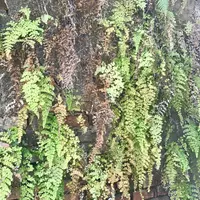
It naturally occurs in warm, humid tropical to subtropical forests of Central and South America, where it grows on shaded, moist rock faces or soil banks, often near waterfalls and streams.

FAQs about polished maidenhair

Brown tips or fronds usually result from low humidity, missed waterings, or exposure to hot or cold drafts. Mineral-heavy tap water and direct sun can also scorch tissue. Trim damaged fronds and correct the underlying environmental stress.

Grow Healthy Plants with Botan Care

Keep your plants happy and healthy with plant identification, disease detection, and easy care guidance.


Botan plant care app — identify plants on mobile

Explore More Plants