Giant maidenhair fern Care (Adiantum formosum)

Giant maidenhair fern

About Giant maidenhair fern

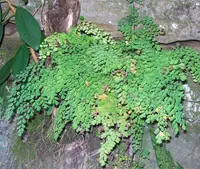
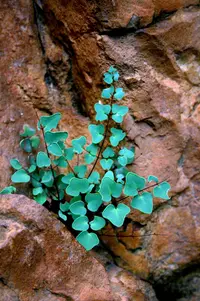
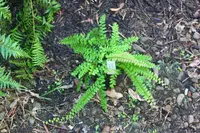
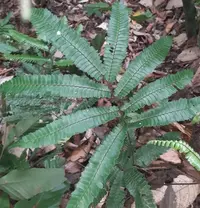
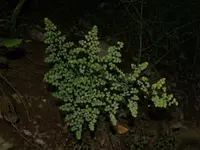
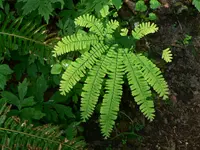
Giant maidenhair fern (Adiantum formosum) is a clump-forming fern with tall, dark, wiry stems and airy, triangular fronds made of many small leaf segments. It has a graceful, upright habit and can form dense, elegant stands over time.

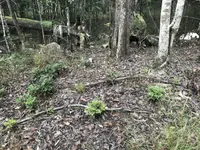
This species is native to moist forests and stream banks in eastern Australia and nearby regions, where it grows in cool, shaded, sheltered spots. It can be moderately challenging, as it dislikes drying out, sudden temperature changes, and low humidity, so consistent moisture and gentle, filtered light are important when learning how to care for Giant maidenhair fern.

In cultivation, it prefers rich, free-draining, slightly moist soil and protection from harsh sun and strong winds, making it suited to sheltered gardens or indoor container culture.

Main Plant Requirements

Care Difficulty

Hard Care

Light Preference

Partial Shade

Water Requirements

Keep Soil Moist

Temperature Preference

Warm Climate

Hardiness Zone

9–11

Soil Texture

Loamy, Peaty, Organic-rich

Soil pH

Acidic (5.5–6.5)

Soil Drainage

Moist but well-drained

Fertilization

Light (every 4–6 weeks)

Get Personalized Care Plan

Scan your plant to receive care tips personalized for your specific plant

Available on iOS and Android

How to Care for the Giant maidenhair fern

This fern prefers soft, filtered light that mimics a bright forest understory.

  • Provide bright, indirect light or dappled shade, such as under high tree cover or a shade cloth; 2–3 hours of early morning sun is acceptable, but avoid direct midday or afternoon sun.
  • In outdoor beds, site Giant maidenhair fern on an east or north side where buildings, trees, or fences block harsh sun while still giving daytime brightness.
  • Fronds may scorch, pale, or crisp at the edges in too much sun, while very deep shade causes sparse, elongated fronds and slow growth; adjust position seasonally as sun angles change.

This fern needs consistently moist but not waterlogged soil to maintain healthy fronds.

  • Aim for evenly damp soil, allowing only the top 1–2 cm to just lose surface gloss before watering again; do not let the root zone dry out completely.
  • Use rich, humus-heavy soil with good drainage so water moves through yet retains moisture, and avoid compacted or heavy clay that stays soggy around the roots.
  • Crisping, curling frond tips signal underwatering, while yellowing, limp fronds and a sour soil smell suggest overwatering; in cooler months, reduce frequency slightly as growth slows.

This species thrives in mild, frost-free conditions with stable, cool to warm temperatures.

  • Ideal growth occurs around 60–75°F (16–24°C), where fronds remain lush and new fiddleheads emerge steadily through the growing season.
  • Adiantum formosum is sensitive to frost; avoid exposure below about 40°F (4°C), as repeated cold or light freezes can blacken fronds and damage the crown.
  • In hotter periods above 80–85°F (27–29°C), provide extra shade, higher humidity, and mulch over roots to keep the soil cool and reduce heat stress.

This fern needs consistently high humidity to keep its fine fronds healthy.

  • Aim for 60–80% humidity; place the plant in a bathroom with a window or near a humidifier if home air is dry.
  • Dry air causes crisp, brown leaflet tips and edges, plus premature frond drop.
  • Increase humidity with a room humidifier, grouped plants, or a wide pebble tray, but avoid misting directly onto the delicate foliage of Giant maidenhair fern.

This fern prefers a loose, airy, organic-rich mix that stays evenly moist but never stagnant.

  • Use a humus-rich, loamy mix such as 2 parts peat or coco coir, 1 part fine compost, and 1 part perlite or fine bark for structure.
  • Ensure very quick drainage through the pot while retaining moisture in the root zone, avoiding any waterlogged or heavy clay-based mix.
  • Keep soil slightly acidic to neutral, around pH 5.5–7.0, which supports nutrient availability and healthy root growth in Adiantum formosum.
  • Improve aeration by incorporating fine bark or perlite rather than sand, which can compact and reduce oxygen around the roots.

This species is well suited to container growing when moisture and stability are carefully managed.

  • Choose a relatively wide, shallow pot to match the fibrous, surface-leaning root system and keep moisture distribution even.
  • Select plastic or glazed ceramic containers when slower evaporation is needed, especially in dry homes or during heating season.
  • Use a pot with multiple small drainage holes so excess water exits quickly without pulling fine potting particles through a single large opening.

Adiantum formosum benefits from light, consistent feeding during active growth but reacts poorly to strong fertilizer.

  • Use a balanced liquid fertilizer (such as 10-10-10) at 1/4–1/2 strength, or a fine compost extract, during spring and summer.
  • Apply every 4–6 weeks while fronds are actively expanding, especially for Giant maidenhair fern grown in containers.
  • Flush the pot with plain water occasionally to prevent salt buildup that can scorch fine roots and fronds.
  • Stop feeding in fall and winter, when growth slows, and resume only once new fronds appear.

Pruning Adiantum formosum focuses on hygiene and maintaining a fresh, airy clump of fronds.

  • Best timing is late winter to early spring, or whenever damaged fronds appear during the growing season.
  • Remove dead, yellowing, or brown fronds entirely at the base using clean, sharp scissors or small pruning shears.
  • Thin out a few crowded, older fronds from the center to improve air flow and reduce fungal problems.
  • Avoid cutting frond tips only; removing whole fronds encourages tidy appearance without harming new growth.

This fern prefers stable conditions, so repotting Adiantum formosum should be infrequent and gentle.

  • Look for roots circling the pot, escaping drainage holes, or slowed new frond production as signs it needs a larger container.
  • Plan to repot every 2–3 years in early spring, just before or as new growth starts.
  • Use a shallow, slightly wider pot with a moisture-retentive, well-drained mix, and shift only 1 pot size up to limit stress.
  • Loosen the root ball lightly, keep rhizomes at the same depth, water thoroughly, then keep shaded and evenly moist for 1–2 weeks.

For Adiantum formosum, division of established clumps is the most practical propagation method for home growers.

  • Divide in early spring when new croziers (coiled young fronds) are just emerging and the plant is actively preparing to grow.
  • Gently unpot, tease apart the root ball, and cut into sections, each with healthy rhizome, roots, and several fronds or buds.
  • Plant divisions into small pots with fine, humus-rich mix, keeping crowns level with the surface and avoiding deep burial.
  • Maintain high humidity, bright shade, and evenly moist soil until new fronds appear, then transition gradually to normal care.

This fern is only mildly frost tolerant and benefits from protective winter care in cooler climates.

  • In mild climates, keep outdoor plants in sheltered, shaded spots and mulch 5–8 cm around the root zone, not on the crown.
  • In regions with freezing winters, grow Adiantum formosum in containers and move indoors before temperatures drop below 40°F.
  • Indoors, provide cool room temperatures (50–60°F), bright indirect light, and consistently moist but not waterlogged soil.

Care Tips

Rhizome crown spacing

When repotting, keep the fibrous rhizome crowns slightly above the final soil level and avoid burying them deeply, which reduces air flow around the crown and helps prevent rot as the plant matures.

Frond support setup

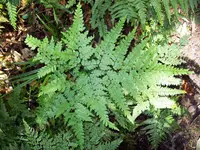
Place a low, discreet ring stake or semicircular support around the base once new fronds start elongating, so the tall, arching fronds stay upright and are less likely to snap at the base when moved or brushed against.

Cool-season adjustment

In cooler months, reduce air movement directly around the plant and move it a little farther from windows or doors that create drafts, as this species responds poorly to rapid swings between warm indoor air and cold night temperatures.

Gentle grooming routine

Remove only fully browned fronds by cutting them at the soil line with clean scissors, and leave pale but still-green fronds in place, since partial foliage continues to photosynthesize and support new growth when caring for Giant maidenhair fern.

Water-quality management

If tap water is hard or heavily chlorinated, alternate with collected rainwater or filtered water in a shallow tray under the pot so moisture can wick up through the mix, reducing mineral buildup that can damage the fine roots and frond tips.

Common Pests and Diseases

Scale insects

These insects attach to stems and leaf stalks, sucking sap and causing yellowing, stunted fronds, and sticky honeydew that can encourage sooty mold. Symptoms include small, rounded or oval bumps that do not move when disturbed.

Solution

Remove heavily infested fronds and gently scrape or wipe remaining scales with a cotton swab dipped in 70% isopropyl alcohol, taking care not to damage the thin rachis and stipes. Improve air movement, avoid overfertilizing, and repeat alcohol or insecticidal soap spot-treatments every 7–10 days until new fronds emerge clean, which supports Adiantum formosum plant care in indoor collections.

Mealybugs

This pest appears as white, cottony clusters in frond junctions and along rhizomes, weakening the plant and causing distorted new growth. Honeydew may develop, attracting sooty mold on the delicate leaflets.

Solution

Isolate the plant, then dab visible mealybugs with 70% isopropyl alcohol using a cotton swab and rinse the fronds gently with lukewarm water to remove residues. Inspect the crown and rhizomes regularly and repeat targeted treatments every 7–10 days, while keeping humidity stable and avoiding leaf-wetting fertilizers that can favor outbreaks.

Aphids

These insects cluster on soft new fronds and undersides of pinnae, causing curling, deformation, and sticky honeydew on the fine foliage. This pest can be introduced on nearby plants or through open windows in mild climates.

Solution

Rinse the plant thoroughly with a gentle, lukewarm shower to dislodge aphids, shielding the soil surface to avoid waterlogging. Follow up with a mild, diluted insecticidal soap spray focused on new growth, repeating weekly until new fronds expand normally and no insects are visible under close inspection.

Botrytis blight

This disease causes brown, water-soaked or tan lesions on fronds that may become covered with gray, fuzzy mold in cool, humid, low-light conditions. Symptoms include rapid collapse of tender fronds and spotting that starts at the tips or edges of leaflets.

Solution

Remove and discard all affected fronds, avoid splashing water on foliage, and increase air circulation while keeping the soil evenly moist but not wet. Reduce crowding around the fern, ventilate the area after watering, and if needed apply a labeled fungicide for ornamental ferns, focusing on preventing prolonged leaf wetness.

Leaf tip burn

Symptoms include browning and crisping of leaflet tips and margins, often linked to low humidity, high fertilizer salts, or hard tap water that this species is sensitive to. Damage is most visible on older fronds and may progress inward if conditions do not improve.

Solution

Use filtered, rain, or distilled water and allow excess water to drain freely to flush salts from the potting mix. Maintain 50–70% humidity with a room humidifier or grouped plants, keep the soil lightly moist without swings to dryness, and trim only completely dead tips to encourage healthy new fronds.

Interesting Facts

Distinct giant stature

This species is one of the largest maidenhairs, with individual fronds in ideal conditions reaching over 1 m tall, forming a robust, fountain-like clump rather than a delicate tuft.

Black wiry stipes

Its fronds are held on glossy, jet‑black stalks (stipes) that contrast strongly with the light green leaf segments, a feature that helps distinguish it from many other maidenhair fern species.

Streambank niche specialist

In its native range in eastern Australia and New Zealand, it typically grows along shaded streambanks and in moist gullies, anchoring in humus-rich soil and benefiting from constant humidity and cool air movement.
Botan icon

Did you know?

In the wild, this fern often forms extensive colonies that can dominate the understorey on suitable moist slopes, creating a distinct visual layer of fine, arching foliage beneath taller tree and shrub canopies.

FAQs about Giant maidenhair fern

Brown tips or fronds usually result from low humidity, inconsistent watering, or exposure to hot or cold drafts. Salty tap water and fertilizer buildup can also scorch tissue. Trim damaged fronds and correct the underlying environmental stress.

Grow Healthy Plants with Botan Care

Keep your plants happy and healthy with plant identification, disease detection, and easy care guidance.

Botan plant care app — identify plants on mobile

Explore More Plants