


Use broad, shallow pots
Choose a wide, shallow container so the fine, creeping rhizomes can spread horizontally, and rotate the pot 90° every 2–3 weeks to keep fronds evenly distributed and prevent one-sided, sparse growth.

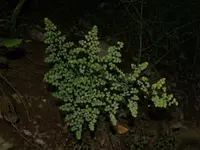
Fuzzy maidenhair (Adiantum tricholepis) is a delicate fern known for its fine, soft-textured fronds carried on thin, dark stems. It forms low, airy clumps that give a light, feathery look in pots or shaded beds.
This species is native to parts of Asia, often found in humid, sheltered rock crevices and forested slopes. It prefers consistently moist, airy substrates and does poorly in dry or drafty spots.
Its need for steady moisture and high humidity makes it more demanding than many common houseplants. Understanding how to care for fuzzy maidenhair is important, as irregular watering or very low humidity quickly damage the fronds.

Care Difficulty
Moderate Care

Light Preference
Partial Shade

Water Requirements
Keep Soil Moist

Temperature Preference
Tropical / Frost Sensitive

Hardiness Zone
10–11

Soil Texture
Loamy, Peaty, Organic-rich

Soil pH
Acidic (5.5–6.5), Slightly acidic (6.5–7.0)

Soil Drainage
Moist but well-drained

Fertilization
Light (every 4–6 weeks)
Scan your plant to receive care tips personalized for your specific plant
Available on iOS and Android
This fern prefers soft, indirect light that mimics a shaded woodland edge.
This fern needs consistently moist conditions without waterlogging the roots.
This fern thrives in mild, stable temperatures similar to a cool, sheltered understory.
This fern requires consistently high humidity to keep its fine fronds hydrated and intact.
This species prefers a loose, moisture-retentive yet free-draining mix that mimics a humus-rich forest floor.
This fern is well suited to container growing when moisture and stability are managed carefully.
Adiantum tricholepis benefits from light, consistent feeding rather than heavy fertilization.
Adiantum tricholepis responds well to light, selective pruning that maintains a clean, airy clump.
This fern prefers stable conditions and only needs repotting or transplanting when clearly root-bound.
Adiantum tricholepis is most reliably propagated by careful division rather than by spores in home settings.
This fern prefers cool, frost-free to mildly frosty conditions and benefits from moderate winter protection in colder regions.

Plant Health Check
Not sure what's wrong with your plant? Check your plant's health inside the app.
This species naturally anchors itself in thin soil pockets of shaded rock faces and cliff crevices, where constant seepage keeps its roots moist but not waterlogged.
It is characterized by very fine, dark, wiry stipes and rachises (leaf stalks and midribs), which contrast strongly with the small, pale green leaf segments and help distinguish it from broader-leaved maidenhair ferns.
The pinnae (leaflets) of this fern are unusually small, delicate, and often slightly wedge-shaped, giving the frond a soft, cloud-like texture compared with many other Adiantum species.
Brown tips or fronds usually come from low humidity, missed waterings, or exposure to hot, dry air or drafts. Trim crisp brown parts, raise humidity slightly, and keep conditions stable to support new, healthy frond growth.
Keep your plants happy and healthy with plant identification, disease detection, and easy care guidance.

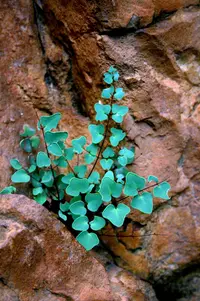
Hemionitis calomelanos
Hemionitis calomelanos
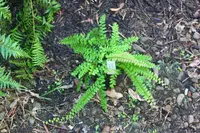
hairy false cloak fern
Hemionitis incana
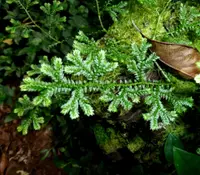
Krauss's Clubmoss
Selaginella kraussiana
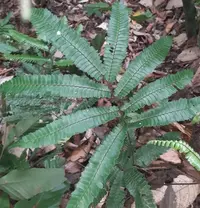
fourleaf maidenhair
Adiantum tetraphyllum
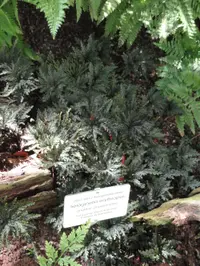
Selaginella erythropus
Selaginella erythropus
Peacock Moss
Selaginella uncinata

Hemionitis concolor
Hemionitis concolor
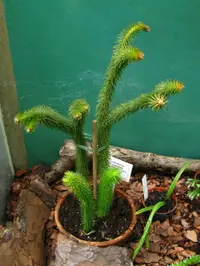
Huperzia squarrosa
Huperzia squarrosa