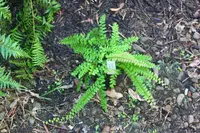
fourleaf maidenhair Care (Adiantum tetraphyllum)

fourleaf maidenhair

About fourleaf maidenhair

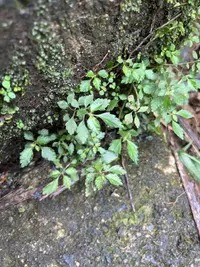
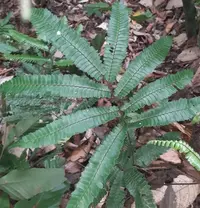
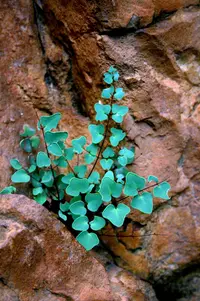
Fourleaf maidenhair (Adiantum tetraphyllum) is a delicate fern known for its thin, dark stems and small, fan-shaped leaflets arranged in soft, airy layers. It forms compact clumps that give a light, refined look, often used in shaded gardens or as an indoor foliage plant.

This species occurs naturally in warm, humid forests of Central and South America, where it grows in consistently moist, well-drained soil. It can be moderately challenging, as it dislikes drying out, cold drafts, and strong sun. Those who learn how to care for fourleaf maidenhair find it rewarding for creating a gentle, fern-filled display in low to medium light conditions.

Main Plant Requirements

Care Difficulty

Hard Care

Light Preference

Partial Shade

Water Requirements

Keep Soil Moist

Temperature Preference

Tropical / Frost Sensitive

Hardiness Zone

10–11

Soil Texture

Loamy, Peaty, Organic-rich

Soil pH

Acidic (5.5–6.5), Slightly acidic (6.5–7.0)

Soil Drainage

Moist but well-drained

Fertilization

Light (every 4–6 weeks)

Get Personalized Care Plan

Scan your plant to receive care tips personalized for your specific plant

Available on iOS and Android

How to Care for the fourleaf maidenhair

Adiantum tetraphyllum prefers soft, filtered light that mimics a shaded forest floor.

  • Provide bright, indirect light or light dappled shade, such as 2–4 hours of gentle morning sun and shaded or filtered light for the rest of the day.
  • Avoid harsh midday and afternoon sun; fronds scorch and bleach if exposed to direct sun through glass or in open west- or south-facing sites.
  • Tolerates deep shade for part of the day, but if fronds grow sparse or pale, move fourleaf maidenhair slightly closer to a brighter, indirectly lit area.

This fern needs consistently moist but not waterlogged soil to maintain healthy fronds.

  • Water when the top 1–2 cm of soil feels just barely dry, aiming to keep the root zone evenly damp rather than letting it fully dry out.
  • Use loose, humus-rich, fast-draining soil so excess water runs through quickly, reducing the risk of root rot and sour, stagnant conditions.
  • In warmer months, surface drying and slight frond droop signal the need for more frequent watering; in cooler seasons, slow growth means less water and a longer interval between soakings for Adiantum tetraphyllum.

This species prefers mild, stable temperatures without sudden swings.

  • Aim for 65–80°F (18–27°C) for active growth, keeping it in a sheltered, humid spot away from strong drafts or heating vents.
  • Protect from cold; growth slows below 55°F (13°C), and exposure near or below 40°F (4°C) can damage fronds, especially with wind or low humidity.
  • In hot spells above 85°F (29°C), increase shade and humidity, and avoid placing the plant next to sun-heated walls or reflective surfaces that amplify heat.

This fern needs high, stable humidity to keep fronds soft and healthy.

  • Aim for 60–80% humidity; use a room humidifier or place the pot on a pebble tray above, not in, water.
  • Dry indoor air causes crisping frond edges, brown leaf tips, and premature leaflet drop.
  • Keep it away from heating vents, fans, and drafts that rapidly lower local humidity around the fourleaf maidenhair.

This fern prefers a loose, humus-rich mix that stays evenly moist yet drains freely.

  • Use a peat- or coco-based mix with added leaf mold or compost plus fine bark for an airy, woodland-like texture.
  • Ensure fast drainage by blending in perlite or pumice so water moves through but the mix still holds gentle, consistent moisture.
  • A slightly acidic pH around 5.5–6.5 suits Adiantum tetraphyllum and supports nutrient uptake without leaf yellowing from imbalance.
  • Avoid dense garden soil, heavy clay, or mixes with lots of sand that either stay waterlogged or dry out too quickly.

This species is well suited to container culture when moisture and stability are managed carefully.

  • Choose a wider, shallow pot to match the fibrous, surface-leaning root system and reduce deep soggy zones.
  • Select plastic or glazed ceramic to slow moisture loss, especially in heated homes or on exposed patios.
  • Use a cachepot or weighted outer container to stabilize light inner pots because arching fronds can make the plant top-heavy.

This fern benefits from light feeding during active growth but is sensitive to excess salts.

  • Use a balanced liquid fertilizer (for example 10-10-10) at 1/4–1/2 strength for caring for fourleaf maidenhair in pots.
  • Apply every 4–6 weeks in spring and summer when new fronds are forming.
  • Skip synthetic fertilizer in fall and winter; the plant’s growth slows and needs are low.
  • Flush the pot with plain water occasionally to prevent fertilizer salt buildup around the roots.

Adiantum tetraphyllum responds well to light, selective pruning that keeps the clump fresh and airy.

  • Best time is late winter or early spring, before strong new growth starts.
  • Remove dead, yellowing, or mechanically damaged fronds at the base with clean, sharp scissors or snips.
  • Thin out a few of the oldest or most crowded fronds to improve air movement and reduce fungal problems.
  • Avoid cutting healthy frond tips, as this spoils the natural arching form of the plant.

This fern prefers a stable root environment and only needs repotting when clearly rootbound.

  • Check for roots circling the pot, emerging from drainage holes, or slow, weak growth as signs it needs more space.
  • Plan to repot every 2–3 years in spring, shifting only 1 pot size up to avoid excess wet soil.
  • Gently loosen the outer root layer and place the plant in fresh, moisture-retentive but well-drained mix rich in organic matter.
  • Water thoroughly after repotting, then keep evenly moist and shaded for 1–2 weeks to limit transplant shock.

Propagation of Adiantum tetraphyllum is most reliable by careful division of established clumps.

  • Divide in early spring when new croziers (unfolding fronds) just start to emerge.
  • Lift the plant, then split the rhizome mass into sections, each with healthy roots and several fronds or buds.
  • Plant divisions into small pots with fine, humus-rich, evenly moist substrate and good drainage.
  • Maintain high humidity, stable warmth, and soft indirect light until new growth confirms successful establishment.

This fern is frost sensitive and needs mild, sheltered conditions during winter, especially in containers.

  • In regions below 40°F, grow in pots and move indoors or into a cool greenhouse before the first hard frost.
  • Keep indoor winter temperatures around 55–70°F with high humidity and no cold drafts near windows or doors.
  • Reduce watering slightly in winter, keeping the soil just barely moist, never waterlogged or bone dry.
  • For garden plantings in mild climates, add a light mulch layer to buffer short cool spells around the root zone.

Care Tips

Moisture buffer tray

Place the nursery pot on an inverted small pot or stones inside a cachepot so excess water drains away while maintaining a slightly humid microclimate around the fronds.

Gentle air movement

Position the plant where there is very light, indirect air movement from a nearby fan or open doorway to reduce fungal disease risk without drying the delicate leaflets.

Soft water management

Use rainwater, distilled, or filtered low-mineral water and occasionally flush the pot thoroughly to prevent mineral salts from building up and burning the fine roots.

Crowd for humidity

Group this fern with other moisture-loving plants and place them on a wide pebble tray to raise localized humidity while keeping all pots elevated above standing water.

Frond sanitation routine

Inspect fronds weekly and promptly remove any yellowing, brown, or misshapen leaf segments with clean scissors to improve air circulation and reduce pest and fungal problems when caring for fourleaf maidenhair.

Common Pests and Diseases

Scale insects

This pest attaches to the thin black stems and frond bases, sucking sap and causing yellowing, stunted fronds, and sticky honeydew on nearby surfaces.

Solution

Isolate the plant, then gently wipe stems and rachises with cotton pads dipped in 70% isopropyl alcohol, repeating weekly until no new scales appear; for heavier infestations, apply a horticultural oil labeled for ferns, ensuring thorough coverage while keeping the delicate fronds well hydrated before and after treatment.

Fern aphids

These insects cluster on the youngest fronds and undersides of leaf segments, leading to distorted new growth and pale, weakened foliage.

Solution

Rinse fronds under a gentle, lukewarm shower or sink spray to dislodge colonies, then treat remaining aphids with insecticidal soap suitable for ferns, applied to both upper and lower leaf surfaces every 5–7 days until populations are controlled.

Rhizoctonia leaf blight

This disease causes brown, irregular lesions that start at the base or edges of fronds, which may collapse in humid, crowded conditions.

Solution

Remove and discard all affected fronds, improve spacing and air movement around the plant, avoid overhead watering, and, if spread continues, apply a fungicide labeled for ornamental ferns, following all dilution and interval instructions carefully as part of Adiantum tetraphyllum care.

Botrytis gray mold

Symptoms include soft, water-soaked patches on fronds that develop fuzzy gray mold, especially on aging or damaged foliage in cool, stagnant air.

Solution

Cut off and discard all affected tissue, increase airflow and reduce humidity spikes by avoiding water on fronds, and keep the plant in a brighter but indirect location; in persistent cases, use a contact fungicide registered for indoor ornamentals, applied after gently rinsing and drying the foliage.

Fern mites

This pest consists of tiny, often invisible mites that thrive in warm, dry air, causing fronds to look dull, finely speckled, and prematurely dry despite adequate watering.

Solution

Raise humidity to 60–70% with a humidifier, rinse the plant thoroughly under a gentle shower to remove mites, and repeat washing every few days; for severe infestations, use a miticide or sulfur-free insecticidal soap labeled for mites on tender foliage, testing on a small section first to avoid frond burn.

Interesting Facts

Distinct fourleaf fronds

This species produces fronds with pinnae grouped in fours, giving it a characteristic fourleaf look that is unusual among maidenhair ferns and helps distinguish it from closely related species in the genus.

Neotropical forest specialist

It is naturally found in warm, humid forests of Central and South America, where it often grows on shaded slopes and rocky banks, indicating a strong adaptation to low light and consistently moist, well-drained substrates.

Delicate but evergreen

In its native climate it behaves as an evergreen fern, maintaining fronds year-round as long as humidity and soil moisture remain stable, rather than dying back seasonally like many temperate Adiantum species.

FAQs about fourleaf maidenhair

Brown, crisp edges usually indicate low humidity, underwatering, or exposure to hot, dry air. Improve humidity, keep the root zone evenly moist but not waterlogged, and move it away from heat vents or strong drafts.

Grow Healthy Plants with Botan Care

Keep your plants happy and healthy with plant identification, disease detection, and easy care guidance.

Botan plant care app — identify plants on mobile

Explore More Plants