Use Shallow Pots
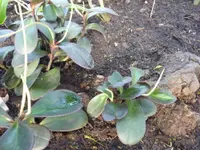
Choose a wide, shallow pot rather than a deep one to encourage a low, spreading habit and make it easier to keep the root zone evenly moist without waterlogging.

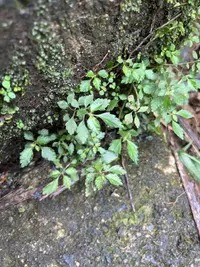
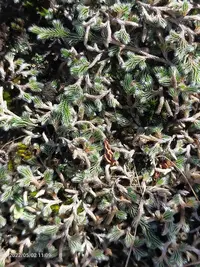
West Indian clearweed (Pilea inaequalis) is a small, soft-stemmed tropical plant in the nettle family, grown mainly for its textured foliage. It typically forms low, spreading clumps with gently serrated, often uneven leaves that can show subtle color variation and sheen.
This species occurs naturally in humid tropical forests of the Caribbean and parts of Central America, where it grows on shaded forest floors and moist rock faces. It is generally considered easy to manage under stable indoor conditions, but it dislikes drying out completely or sitting in harsh sun.
Those learning how to care for West Indian clearweed should focus on providing bright, indirect light, evenly moist but not waterlogged soil, and good air circulation in a warm room.

Care Difficulty
Moderate Care

Light Preference
Bright Indirect Light

Water Requirements
Keep Soil Moist

Temperature Preference
Tropical / Frost Sensitive

Hardiness Zone
11–12

Soil Texture
Loamy, Peaty, Organic-rich

Soil pH
Acidic (5.5–6.5), Slightly acidic (6.5–7.0)

Soil Drainage
Moist but well-drained

Fertilization
Light (every 4–6 weeks)
Scan your plant to receive care tips personalized for your specific plant
Available on iOS and Android
Pilea inaequalis thrives in bright, indirect light that mimics a forest understory.
This species prefers evenly moist, airy soil that never stays soggy for long.
This plant does best in consistently warm, frost-free conditions.
This species prefers moderately high, stable humidity to keep foliage healthy and textured.
This plant prefers a light, airy, organic-rich mix that drains freely yet holds steady moisture.
This species is well suited to container culture due to its compact, spreading growth.
This species responds well to light, consistent feeding during active growth.
Targeted pruning keeps Pilea inaequalis compact and encourages fresh foliage.
This plant prefers slightly tight roots but benefits from occasional repotting for fresh substrate.
Pilea inaequalis is commonly propagated from stem cuttings for consistent new plants.
As a tropical species, this plant is sensitive to cold and requires indoor protection in winter.

Plant Health Check
Not sure what's wrong with your plant? Check your plant's health inside the app.
This species is known for its thick, softly textured leaves with raised, blister-like surface patterns that create a three‑dimensional look rather than a flat leaf blade.
It occurs naturally in humid, shaded cloud forests of Colombia and nearby Andean regions, where it grows as an understory plant protected from direct sun but exposed to constant moisture and airflow.
The species name inaequalis refers to its unequal or asymmetric leaves, where one side of the leaf blade is often slightly larger or differently shaped than the other, a trait that helps distinguish it from many other Pilea species.
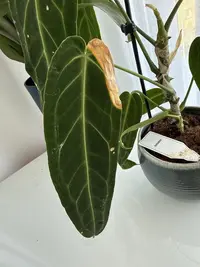
Brown leaf edges usually come from low humidity, irregular watering, or fertilizer burn. Check soil moisture, flush excess salts, and trim damaged tips. Sustained direct sun or cold drafts can also scorch tissues and cause browning.
Keep your plants happy and healthy with plant identification, disease detection, and easy care guidance.