


Encourage Compact Growth
Rotate the pot 90° every 2–3 weeks and lightly pinch only the very soft shoot tips in spring to keep stems compact and prevent the plant from becoming lopsided or leggy.

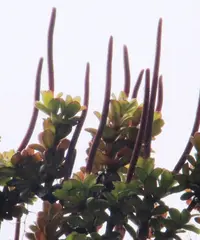
Peperomia hartwegiana is a compact tropical foliage plant in the pepper family, grown mainly for its decorative leaves rather than flowers. It usually forms a low mound with small, fleshy leaves that help it store moisture. In nature, it is native to humid, forested regions of Central and South America, often growing on mossy logs or tree trunks as an epiphyte, which means it uses other plants for support but not for food. This background makes it fairly adaptable indoors if given stable warmth, moderate light, and a free-draining potting mix. Its modest size and slow to moderate growth rate make it suitable for windowsills, mixed displays, and terrariums, and these same traits make it relatively straightforward to care for Peperomia hartwegiana.

Care Difficulty
Easy Care

Light Preference
Bright Indirect Light

Water Requirements
Moderate Water

Temperature Preference
Tropical / Frost Sensitive

Hardiness Zone
11–12

Soil Texture
Loamy, Peaty, Organic-rich

Soil pH
Acidic (5.5–6.5), Slightly acidic (6.5–7.0)

Soil Drainage
Well-drained

Fertilization
Light (every 4–6 weeks)
Scan your plant to receive care tips personalized for your specific plant
Available on iOS and Android
This compact species prefers bright but gentle light that mimics a forest understory.
This plant prefers light, even moisture and is sensitive to prolonged wet soil.
This species prefers stable, warm conditions with no exposure to frost.
This species prefers moderate household humidity but benefits from slightly elevated levels.
Use an airy, fast-draining mix that holds light, even moisture without staying wet.
This compact species is well suited to container growing.
This compact succulent herb has low to moderate nutrient needs but responds well to light, consistent feeding during active growth.
Pruning is mainly cosmetic and helps this plant stay compact and well-branched indoors.
This small, shallow-rooted species prefers snug pots and only needs occasional repotting.
This species is commonly propagated from stem or leaf cuttings under warm, bright conditions.
Indoors, this tropical species needs stable warmth and protection from cold drafts during winter.

Plant Health Check
Not sure what's wrong with your plant? Check your plant's health inside the app.
Peperomia hartwegiana is naturally found growing as an epiphyte on tree trunks and branches in humid montane forests of northern South America, rather than rooted directly in soil. This lifestyle shapes its compact root system and preference for airy, well-drained substrates in cultivation.
Its small, heart-shaped leaves have a slightly succulent, fleshy texture that allows limited water storage and reduces water loss in the shifting moisture conditions of cloud forests. This semi-succulent structure helps it tolerate short dry spells better than many thin-leaved understory plants.
In nature, this species often forms low, cushion-like mats across bark or mossy surfaces. The dense, spreading habit helps stabilize the plant on uneven substrates and maximizes light capture in shaded understory conditions.
This species performs best indoors or in sheltered, shaded outdoor spaces in mild climates. It dislikes strong sun, cold drafts, and temperature swings. Stable indoor conditions usually provide more reliable growth and appearance than outdoor planting.
Keep your plants happy and healthy with plant identification, disease detection, and easy care guidance.

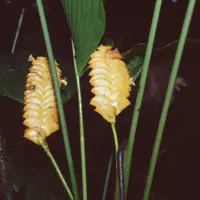
rattlesnake plant
Calathea crotalifera
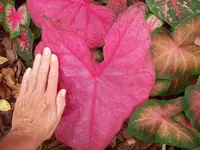
Fancy-leaf Caladium
Caladium 'Fannie Munson'
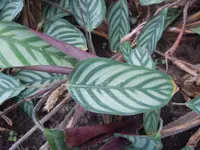 POPULAR
Never Never Plant
Ctenanthe setosa
Bush Lily
Clivia nobilis

Elephant's Ear
Alocasia zebrina 'Reticulata'
Stamford's Epidendrum
Epidendrum stamfordianum
Neoregelia concentrica
Neoregelia concentrica
white-lipped oncidium
Oncidium leucochilum