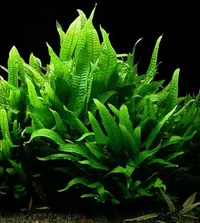
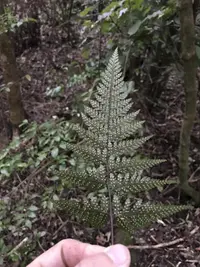
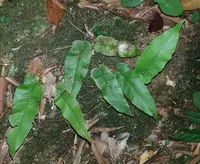
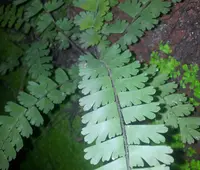
hairy false cloak fern Care (Hemionitis incana)

Alex Yar, Botan author
Reviewed byAlex Yar
Plant Expert

About hairy false cloak fern

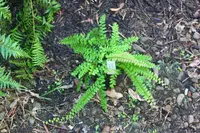
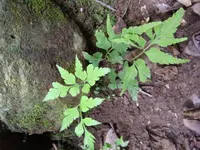
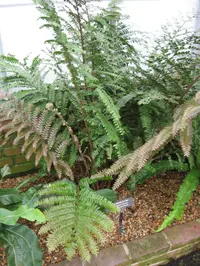
Hairy false cloak fern (Hemionitis incana) is a small terrestrial fern valued for its soft, fuzzy fronds and compact clumping habit. It suits containers and shaded indoor displays. The plant typically forms low rosettes of heart-shaped or triangular fronds with a fine grayish hair, giving it a silvery, textured look. In nature it grows in warm, humid forests, often in sheltered, rocky or mossy spots. This species prefers stable moisture, high humidity, and protection from direct, harsh sun, so it is moderately demanding compared with tougher ferns. Gardeners who learn how to care for hairy false cloak fern usually succeed once they provide consistent moisture and gentle, filtered light.

Main Plant Requirements

Care Difficulty

Moderate Care

Light Preference

Partial Shade

Water Requirements

Keep Soil Moist

Temperature Preference

Tropical / Frost Sensitive

Hardiness Zone

10–11

Soil Texture

Loamy, Peaty, Organic-rich

Soil pH

Acidic (5.5–6.5)

Soil Drainage

Moist but well-drained

Fertilization

Light (every 4–6 weeks)

Get Personalized Care Plan

Scan your plant to receive care tips personalized for your specific plant

Available on iOS and Android

How to Care for the hairy false cloak fern

This fern prefers soft, filtered light similar to a forest understory.

  • Provide bright, indirect light or light shade, such as 2–4 hours of gentle morning sun with dappled or filtered light for the rest of the day.
  • Protect hairy false cloak fern from harsh midday and afternoon sun, which can scorch fronds, cause pale or crispy edges, and dry the soil too quickly.
  • In summer, shift plants slightly deeper into shade; in winter, move closer to an east- or north-facing window or bright, lightly shaded spot outdoors.

Hemionitis incana needs consistently moist but not waterlogged soil.

  • Water when the top 2–3 cm of soil feels slightly dry, using enough water for thorough soaking while allowing excess to drain freely.
  • Use a loose, well-draining mix so the root zone stays evenly moist; avoid compacted or heavy clay that holds standing water.
  • Reduce watering in cooler months as growth slows, watching for limp, curling fronds from underwatering or black, mushy roots and sour smell from overwatering.

This species prefers mild, frost-free conditions throughout the year.

  • Aim for 65–80°F (18–27°C) for steady growth, avoiding sudden swings of more than about 10°F (6°C) within a day.
  • Protect from cold below about 50°F (10°C), and keep it out of any frost, which can permanently damage fronds and growing points.
  • In hot spells above 85°F (29°C), increase shade and airflow, and monitor soil moisture closely so the root zone does not overheat or dry out completely.

This fern prefers consistent high humidity and reacts quickly to dry air.

  • Aim for 60–80% humidity; use a hygrometer to track levels near the plant.
  • Dry, crispy frond tips and stalled new growth signal humidity stress in hairy false cloak fern.
  • Increase moisture with a pebble tray or humidifier rather than frequent misting, which dries too fast.

This fern needs a loose, organic-rich mix that stays evenly moist yet drains freely.

  • Use a mix of 50–60% peat or coco coir with fine bark and 20–30% perlite for structure and aeration.
  • Target slightly acidic conditions around pH 5.5–6.5 to match typical Hemionitis incana habitat.
  • Ensure water drains within a few seconds from the pot; standing water quickly leads to root rot.
  • Avoid dense garden soil, heavy clay, or mixes with a high sand content that dry out unevenly.

Hemionitis incana adapts well to container growing when moisture and drainage are balanced.

  • Choose a wide, shallow pot to match its fibrous root system and keep the mix evenly moist.
  • Select plastic or glazed ceramic containers to slow evaporation in heated or air-conditioned spaces.
  • Elevate the pot on feet or a stand so drainage holes stay clear and excess water can escape quickly.

Hemionitis incana benefits from light, consistent feeding during active growth but is sensitive to excess salts.

  • Use a balanced liquid fertilizer (around 10-10-10) at 1/4–1/2 strength for hairy false cloak fern.
  • Feed every 4–6 weeks in spring and summer when new fronds are forming.
  • Avoid heavy compost or strong slow-release pellets that can burn fine roots.
  • Stop feeding in fall and winter, resuming only when clear new growth begins.

Pruning Hemionitis incana focuses on hygiene and maintaining an open, healthy clump.

  • Best time for pruning is late winter to early spring, before strong new growth starts.
  • Use clean, sharp scissors to remove dead, yellowing, or diseased fronds at the base.
  • Thin very crowded or crossing fronds to improve airflow and reduce fungal problems.
  • Light shaping can keep the fern compact, but avoid cutting into healthy crowns.

This fern prefers stable conditions, so repot Hemionitis incana only when clear signs appear.

  • Check for roots circling the pot, pushing out of drainage holes, or slowing growth over a full season.
  • Plan repotting for spring, every 2–3 years, moving only 1 pot size up with fresh, airy mix.
  • Gently loosen the root ball, trim dead roots, and keep the crown at the same depth.
  • Water thoroughly after repotting, then keep in bright, sheltered conditions to reduce transplant shock.

Propagation of Hemionitis incana is usually done by careful division rather than spores at home.

  • Divide mature clumps in spring when active growth begins and recovery is fastest.
  • Lift the plant gently, then separate sections with several fronds and a healthy root portion each.
  • Plant divisions into small pots with moist, well-drained fern mix and firm lightly.
  • Maintain high humidity, steady warmth (65–75°F), and shaded light until new fronds emerge.

Hemionitis incana is not strongly frost hardy and needs protection in colder climates.

  • In regions below about 40°F, grow in containers and move plants indoors before frost.
  • Indoors, provide cool to mild temperatures, bright indirect light, and evenly moist soil.
  • In mild outdoor climates, apply a light mulch around the root zone, keeping it off the crown.

Care Tips

Use Top Dressing

Add a 1–2 cm layer of fine orchid bark or decomposed leaf mold on top of the potting mix to keep the rhizomes cool, reduce evaporation, and mimic the forest-floor litter this fern prefers.


Stabilize Fuzzy Rhizomes

When new creeping rhizomes emerge at the surface, gently pin them down with U-shaped wire or orchid clips so they root firmly into the mix instead of drying out or lifting away from the substrate.

Diffuse Air Movement

Place the plant where there is gentle, indirect air movement or use a low-speed fan bounced off a wall to reduce fungal issues on the hairy fronds without desiccating the fine roots.

Targeted Pest Checks

Inspect the hairy stipes and undersides of older fronds every 2–3 weeks with a hand lens, since scale and spider mites often lodge between the hairs and are easier to control when detected very early.

Seasonal Light Shift

In winter, move the plant 30–60 cm closer to a bright window or supplement with a weak grow light on a 10–12 hour timer to keep frond production steady when growing hairy false cloak fern in low natural light seasons.

Common Pests and Diseases

Scale insects

These insects feed on fronds and stems, causing yellowing, weakened growth, and sticky honeydew that may lead to sooty mold on hairy false cloak fern fronds.

Solution

Remove small populations by gently scraping with a cotton swab dipped in 70% isopropyl alcohol, then rinse the plant with lukewarm water; for larger infestations, use an insecticidal soap or neem oil spray, repeating every 7–10 days and improving air movement around the plant to reduce reinfestation risk.

Mealybugs

These insects appear as white, cottony clusters in frond bases and along rhizomes, causing stunted growth, leaf drop, and deformed new fronds.

Solution

Isolate the plant, wipe visible mealybugs with a cotton swab dipped in 70% isopropyl alcohol, then spray the foliage and crevices with insecticidal soap or neem oil, repeating weekly until no new insects appear and avoiding leaf wetness that lingers in cool conditions.

Fern aphids

This pest forms small green to black colonies on tender fronds, leading to curling tips, distorted new growth, and sticky honeydew deposits.

Solution

Rinse the plant thoroughly with a gentle stream of lukewarm water to dislodge aphids, then treat remaining colonies with insecticidal soap, ensuring full coverage of undersides of fronds and repeating every 5–7 days until the population is controlled while maintaining moderate air circulation.

Rhizoctonia leaf spot

This disease causes irregular brown to dark lesions along frond margins or between veins, which may merge and cause frond dieback in humid, poorly ventilated conditions.

Solution

Remove and discard affected fronds, increase spacing and airflow around the plant, and avoid overhead watering; in persistent cases, apply a fern-safe fungicide labeled for Rhizoctonia, and keep the substrate evenly moist rather than wet to support recovery.

Botrytis blight

This disease develops in cool, humid, low-light conditions and produces soft brown patches on fronds that may be covered with gray fuzzy mold, especially on older or damaged tissue.

Solution

Promptly remove and dispose of all affected fronds and debris, increase light and airflow, and water at the substrate level in the morning so foliage dries quickly; in severe cases, use a labeled fungicide for Botrytis and reduce overcrowding to prevent recurrence.

Interesting Facts

Naturally limestone-loving

This species is typically found on shaded limestone or other calcareous rocks, indicating a strong adaptation to alkaline, calcium-rich substrates rather than acidic forest soils.

Distinctive woolly fronds

The fronds and especially the young growth often carry a dense, grayish to whitish hair layer, which reduces water loss and protects delicate tissues from direct sun and air movement.

Creeping rock crevice habit

In its native habitats, this fern often anchors in narrow rock crevices, using its creeping rhizomes to stabilize in shallow pockets of debris where moisture and fine particles accumulate.

FAQs about hairy false cloak fern

Brown leaf edges usually come from low humidity, underwatering, or excess fertilizer salts. Direct hot sun or cold drafts can also scorch fronds. Trim crisped tips, flush the pot with water, and adjust conditions gradually.

Grow Healthy Plants with Botan Care

Keep your plants happy and healthy with plant identification, disease detection, and easy care guidance.

Botan plant care app — identify plants on mobile

Explore More Plants