Stag's-horn Clubmoss Care (Lycopodium clavatum)

Also known as: Common Clubmoss, Running Clubmoss, wolf's claw club moss, wolf's-foot clubmoss, running pine, Stag's Horn, Vegetable Sulphur
Stag's-horn Clubmoss

About Stag's-horn Clubmoss

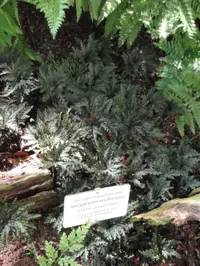
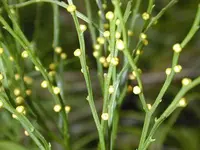
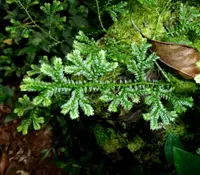
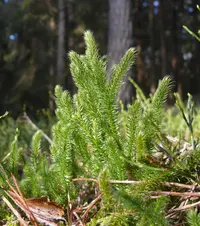
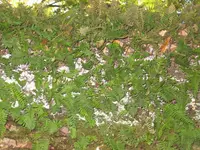
Stag's-horn clubmoss, Lycopodium clavatum, is a primitive, fern-like lycophyte rather than a true moss. It forms low, trailing stems covered in soft, needle-like leaves that resemble tiny conifer branches. Cones at the tips produce fine spores once used historically in fireworks and pharmacy.

In nature, it occurs in cool, temperate regions, often in open conifer forests, moorlands, and heathlands with acidic, well-drained but consistently moist soils. It can be challenging to grow in cultivation because it dislikes root disturbance, dry air, and fluctuating moisture. Gardeners who want to care for Stag's-horn Clubmoss usually focus on stable humidity, gentle light, and an evenly moist, airy substrate.

Main Plant Requirements

Care Difficulty

Hard Care

Light Preference

Partial Shade

Water Requirements

Keep Soil Moist

Temperature Preference

Cool Climate

Hardiness Zone

3–7

Soil Texture

Loamy, Peaty, Organic-rich

Soil pH

Strongly acidic (4.5–5.5), Acidic (5.5–6.5)

Soil Drainage

Moist but well-drained

Fertilization

Minimal (feed rarely)

Get Personalized Care Plan

Scan your plant to receive care tips personalized for your specific plant

Available on iOS and Android

How to Care for the Stag's-horn Clubmoss

This forest-floor plant prefers soft, filtered light that mimics dappled woodland shade.

  • Provide bright, indirect light or light shade, with 2–4 hours of gentle morning sun and no harsh midday or afternoon sun on foliage.
  • In gardens, place Stag's-horn Clubmoss under open tree canopy or on the north/east side of rocks, where it receives dappled light all day.
  • Leaves turning pale or scorched indicate too much sun, while elongated, sparse growth signals too little light; adjust position seasonally as sun angles change.

This species needs steadily moist, never waterlogged, soil to maintain healthy, dense foliage.

  • Water when the top 1–2 cm of soil or forest duff feels just barely dry, aiming for consistently damp conditions around the roots.
  • Use loose, well-drained, humus-rich soil so water drains within a few minutes yet stays slightly moist; avoid compacted or stagnant sites.
  • In warm, dry weather, check moisture more often; wilting or crisp tips suggest underwatering, while yellowing, limp stems or sour smell indicate overwatering.

This clubmoss prefers cool to mild conditions, similar to shaded woodland climates.

  • Aim for 55–70°F (13–21°C) for best growth, with stable, shaded conditions that avoid rapid temperature swings.
  • Lycopodium clavatum tolerates brief dips to about 35–40°F (2–4°C) if soil is not waterlogged but is sensitive to hard frost and repeated freeze–thaw cycles.
  • In hot periods above 80°F (27°C), provide extra shade and humidity; drying winds and heat combined cause browning tips and thinning patches.

This species needs consistently high humidity to maintain healthy, moss-like growth.

  • Aim for 60–80% humidity; use a humidifier or enclosed terrarium-style setup in dry homes.
  • Dry air causes browning tips, crisped branchlets, and slowed growth along the trailing stems.
  • Place containers on pebble trays with water, group plants closely, and avoid hot drafts from vents or heaters.
  • For caring for Stag's-horn Clubmoss, avoid placing it near dehumidifiers or strong fans that quickly strip moisture from the air.

Lycopodium clavatum prefers a light, consistently moist, humus-rich substrate that mimics a forest floor.

  • Use a loose mix such as 50% peat or coco coir, 30% fine bark, and 20% perlite to combine moisture retention with air spaces.
  • Ensure rapid drainage so water runs through in seconds, while the mix stays evenly damp rather than waterlogged.
  • Aim for slightly acidic conditions around pH 5.0–6.0 by favoring peat-based ingredients and avoiding lime or alkaline amendments.
  • Avoid dense garden soil, pure sand, or heavy clay, which compact around the roots and cause rot or stalled growth.

This species can grow in containers if moisture and stability are carefully managed.

  • Choose a broad, shallow pot to accommodate its creeping stems and allow even surface coverage without deep, soggy substrate.
  • Select plastic or glazed ceramic to slow evaporation, then adjust watering so the mix stays evenly moist but not saturated.
  • Set the container in a stable, low-traffic spot so the delicate, trailing shoots are not damaged by frequent movement or tipping.

This species is adapted to nutrient-poor soils, so use light, infrequent feeding for cultivated Stag's-horn Clubmoss.

  • Use a dilute balanced liquid fertilizer (e.g., 10-10-10) at 1/4–1/2 strength during active growth in spring–summer.
  • Apply every 6–8 weeks only if growth is weak or foliage pale; avoid building up salts in the soil.
  • Rinse the substrate with plain water occasionally to prevent fertilizer accumulation around the fine roots.
  • Stop feeding in fall and winter when growth slows, especially in cooler or dim conditions.

Lycopodium clavatum needs minimal pruning, focused on tidying and maintaining healthy shoots.

  • Best time is late winter to early spring, before strong new growth starts.
  • Use clean, sharp scissors to remove dead, yellowing, or mechanically damaged stems at the base.
  • Lightly trim overly long or tangled runners to maintain shape and prevent crowding in containers or small beds.
  • Avoid heavy cutting, since this species spreads via creeping stems that recover slowly from severe removal.

Container-grown plants or nursery stock of this creeping clubmoss benefit from careful, infrequent transplanting.

  • Plan repotting or outdoor transplanting in early spring when new growth begins and temperatures are mild.
  • Look for roots circling the pot, compacted substrate, or slowed growth as main signs it needs more space.
  • Repot every 2–3 years into a shallow, wide container with loose, well-drained, humus-rich mix to suit its creeping habit.
  • Handle root masses gently, keep original soil around them, water lightly afterward, and shade for several days to reduce stress.

Propagation of Lycopodium clavatum is possible but slow and sensitive, best suited to patient growers.

  • Vegetative division of creeping stems with rooted sections is the most practical method for home growers.
  • Divide in early spring, lifting small clumps that already have healthy roots and several green shoots.
  • Replant divisions shallowly in a loose, moist, acidic substrate, keeping stems just at or above the surface.
  • Maintain high humidity, gentle air movement, and low to medium light to encourage gradual establishment.

This species is relatively cold tolerant in its native range but still benefits from basic winter care in cultivation.

  • Hardy in cool climates when planted in the ground, but prolonged freeze–thaw cycles can stress shallow roots.
  • Apply a light mulch layer (leaf litter, fine bark) over the root zone in late fall, avoiding complete stem burial.
  • For container plants, move pots into a sheltered, frost-free but cool spot and keep the substrate barely moist.

Care Tips

Use horizontal trays

Grow this species in a wide, shallow tray or flat rather than a deep pot to let the creeping stems spread naturally and form a dense mat with fewer bare patches.

Anchor creeping stems

Pin down longer stems with U-shaped wire or hairpins onto fresh substrate so new rooting points form, which thickens the colony and improves drought resilience.

Stage gradual acclimation

When moving plants between outdoor shade and indoor conditions, shift them over 7–10 days in small light and humidity steps to prevent sudden desiccation of delicate shoot tips.

Protect tender shoots

Place containers away from high-traffic areas and drafty doors so the fragile, upright cones and new stem tips are not broken or dried out by repeated disturbance or airflow.

Monitor substrate aging

Every 12–18 months, gently lift a small edge section to check for sour smell or compacted, dark substrate, then top-dress or partially refresh the medium to keep aeration and root health stable when growing Stag's-horn Clubmoss.

Common Pests and Diseases

Rhizoctonia damping-off

This disease affects young shoots and stem bases, causing sudden collapse and browning at or just above the soil line. Symptoms include water-soaked lesions and rapid wilting in moist, poorly aerated substrates.

Solution

Remove and discard affected sections, then improve drainage and air movement around the plant. Use a well-aerated, free-draining but constantly moist medium, avoid overwatering, and drench the substrate with a biological fungicide based on Trichoderma or Bacillus if losses continue.

Pythium stem blight

This disease causes soft, water-soaked stem bases and progressive dieback of prostrate shoots, especially under cool, saturated conditions. Symptoms include blackened, mushy tissue where stems contact the substrate.

Solution

Cut away and discard all infected parts, then reduce moisture levels slightly while keeping humidity high. Improve drainage, avoid standing water in trays, disinfect pots and tools, and consider a targeted phosphite-based drench to suppress further infection as part of broader Lycopodium clavatum plant care.

Fungal leaf spot

This disease produces small brown to dark-olive spots or blotches on microphylls, which may coalesce and cause thinning of the foliage. Symptoms include patchy yellowing and premature shedding of affected segments in stagnant, humid air.

Solution

Trim and discard heavily spotted fronds, then increase air circulation without lowering humidity dramatically. Avoid overhead watering, water at the base, keep foliage dry when possible, and if spread continues, apply a mild copper-based or sulfur-based fungicide labeled for ferns and clubmosses, testing on a small section first.

Spider mites

These pests feed on the tiny leaves, causing fine stippling, dull patches, and eventual bronzing or thinning of the foliage, especially in warm, dry indoor air. This pest is often accompanied by very fine webbing between shoots and leaf segments.

Solution

Rinse foliage gently but thoroughly with lukewarm water, repeating every few days to break the life cycle, and raise humidity to 60–80% to discourage populations. For persistent infestations, use insecticidal soap or horticultural oil, coating leaf undersides and stems, and isolate the plant from others during treatment.

Fungus gnats

These insects breed in very moist substrates rich in organic matter, and their larvae feed on delicate root and stem tissues, leading to stunting and loss of vigor. This pest is more common in constantly wet pots or trays with decomposing debris.

Solution

Allow the surface layer of the medium to dry slightly while keeping the root zone evenly moist, and remove algae or decaying plant material. Use yellow sticky traps for adults and, if needed, apply a biological control such as Bacillus thuringiensis israelensis (Bti) or beneficial nematodes to reduce larval populations in the substrate.

Interesting Facts

Ancient vascular lineage

This species is a living representative of an old vascular plant lineage, with clubmoss relatives known from fossils dating back to the Devonian period over 350 million years ago, although the modern species itself is not that old. Its creeping stems and simple microphyll leaves reflect this early stage in vascular plant evolution.

Explosive spore dispersal

Its spores are extremely dry and coated with oils, making them highly water-repellent and very light, so they disperse easily in air and can form dust-like clouds when disturbed. The same oily coating once led to their use in early photography and stage effects as a fine, fast-burning flash powder.

Soil and disturbance sensitivity

This clubmoss often forms carpets in nutrient-poor, acidic, well-drained soils such as heaths and open coniferous forests, but it spreads slowly through creeping rhizome-like stems. Populations can decline or disappear when habitats are disturbed, shaded by dense tree growth, or subjected to heavy trampling, which is why it is locally protected in parts of Europe.

Botan icon

Did you know?

The spore coat of this species is so hydrophobic that spores poured onto water will float and resist wetting, a property once used to demonstrate surface tension in physics and chemistry teaching.

FAQs about Stag's-horn Clubmoss

This species generally performs better outdoors in cool, humid, shaded conditions that mimic forest floors. Indoors, it is difficult to keep humidity, airflow, and substrate moisture balanced long term, so growth is usually slower and more sensitive.

Grow Healthy Plants with Botan Care

Keep your plants happy and healthy with plant identification, disease detection, and easy care guidance.

Botan plant care app — identify plants on mobile

Explore More Plants