


Rhizome positioning
Set the hairy rhizome slightly above the soil line and angle it so new fronds can emerge into open space, which reduces rot and gives the crown good air circulation.

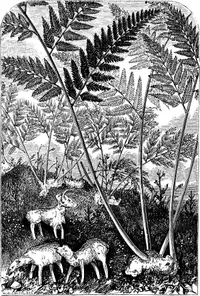
Golden chicken fern (Cibotium barometz) is a large tree fern known for its soft, arching fronds and a woolly, golden rhizome that resembles animal fur. It grows into an impressive, fountain-shaped clump over time.
In nature, it occurs in humid, forested mountain regions of Southeast Asia and southern China, where it enjoys consistently warm, moist, and sheltered conditions. The plant prefers dappled light, high humidity, and rich, well-drained soil.
Its need for stable warmth, moisture, and humidity makes it more demanding than many common houseplants. Those who understand how to care for golden chicken fern will find it a rewarding but advanced choice for indoor or greenhouse growing.

Care Difficulty
Hard Care

Light Preference
Partial Shade

Water Requirements
Keep Soil Moist

Temperature Preference
Tropical / Frost Sensitive

Hardiness Zone
10–11

Soil Texture
Loamy, Peaty, Organic-rich

Soil pH
Acidic (5.5–6.5)

Soil Drainage
Moist but well-drained

Fertilization
Light (every 4–6 weeks)
Scan your plant to receive care tips personalized for your specific plant
Available on iOS and Android
This tree fern prefers bright, filtered light that mimics a forest understory.
Watering should keep the root zone consistently moist but never waterlogged.
This subtropical fern thrives in warm, frost-free conditions year-round.
This species needs consistently high humidity to maintain healthy fronds and new growth.
This fern prefers deep, loose, organic-rich soil that stays evenly moist yet drains freely.
This species can be grown in containers if the pot is large, stable, and allows for deep, spreading roots.
This fern benefits from modest, consistent feeding during active growth.
Pruning Cibotium barometz focuses on hygiene and space management rather than shaping.
Transplanting this large fern needs planning, as it dislikes major root disturbance.
Propagation of Cibotium barometz is possible but slow and better suited to patient growers.
This fern is frost sensitive and needs sheltered, warm conditions in winter.

Plant Health Check
Not sure what's wrong with your plant? Check your plant's health inside the app.
The creeping rhizome of this fern is densely covered with golden hairs that historically were trimmed into the shape of a small “lamb,” giving rise to the nickname golden chicken fern or vegetable lamb.
Instead of forming round sori on the undersides of the leaflets like many ferns, this species bears its spore-producing structures in continuous lines along the margins of fertile pinnae, protected by rolled leaf edges.
This tree fern naturally grows on humid, shaded slopes and forest margins in subtropical and tropical Asia, often on well-drained yet constantly moist soils, which makes it sensitive to both drought and waterlogging in cultivation.

In medieval and early modern Europe, preserved hairy rhizomes of this species were traded as curiosities and helped fuel the myth of the “vegetable lamb of Tartary,” a legendary plant believed to grow living lambs as its fruit.
Growth is moderately fast in warm, humid conditions. Young plants may add 15–30 cm of frond length per year. Over time, it can form a trunk and reach several meters tall in suitable climates.
Keep your plants happy and healthy with plant identification, disease detection, and easy care guidance.


Ghost Fern
Athyrium 'Ghost'
Philodendron
Philodendron hederaceum var. oxycardium 'Brasil'
Intermediate bamboo fern
Coniogramme intermedia
water fern
Azolla filiculoides
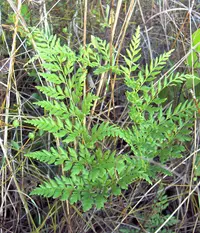
pineland fern
Anemia adiantifolia
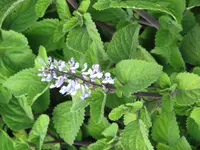
Zulu Spurflower
Plectranthus zuluensis
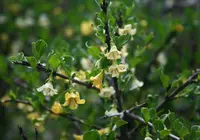
Coddia
Coddia rudis
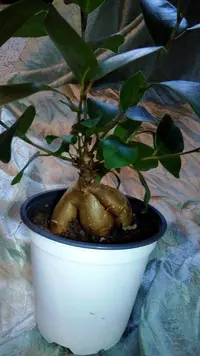
Ficus microcarpa 'Ginseng'
Ficus microcarpa 'Ginseng'