Formative pruning
Pinch or lightly tip-prune young shoots after flowering to encourage a denser, bushier framework and better fruiting wood in future seasons.

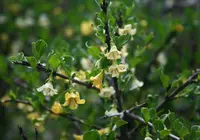
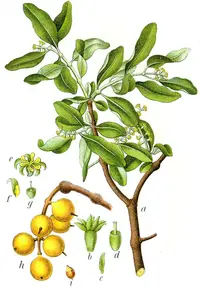
Coddia rudis, often called the small currant or small knobwood, is a woody shrub or small tree from the coffee family (Rubiaceae). It is native to southern Africa, where it grows in woodland, scrub, and along forest margins.
Plants usually have a dense, branching habit with simple green leaves and small, tubular white to cream flowers, followed by orange to red berry-like fruits. The tough structure and moderate growth rate make it fairly resilient in suitable climates.
This species prefers well-drained soil, regular moisture, and sun to light shade. With the right conditions, it is not difficult to care for Coddia in mild outdoor climates.

Care Difficulty
Moderate Care

Light Preference
Full Sun

Water Requirements
Moderate Water

Temperature Preference
Warm Climate

Hardiness Zone
9–11

Soil Texture
Sandy, Loamy, Organic-rich

Soil pH
Acidic (5.5–6.5), Slightly acidic (6.5–7.0)

Soil Drainage
Well-drained

Fertilization
Minimal (feed rarely)
Scan your plant to receive care tips personalized for your specific plant
Available on iOS and Android
This shrub prefers bright conditions similar to its native, open woodland edge habitat.
Watering should balance moderate moisture with good drainage to protect the roots.
This species favors mild, frost-free conditions and reacts poorly to temperature extremes.
This species handles a wide humidity range and rarely needs special humidity management indoors or outdoors.
This shrub prefers well-drained, moderately fertile soil that does not stay wet for long periods.
This species adapts well to container culture when provided with enough root space and stable drainage.
Coddia rudis grows reasonably well in modest soils but responds to light feeding in containers or poor ground.
Pruning Coddia rudis is mainly done to maintain structure and remove weak growth rather than for heavy shaping.
This species is usually grown in the ground, so focus on careful transplanting rather than frequent repotting.
Propagation of Coddia rudis is usually done from seeds, with semi-ripe cuttings used by more experienced growers.
This shrub is moderately cold hardy, so established plants in mild climates usually need only light winter attention.

Plant Health Check
Not sure what's wrong with your plant? Check your plant's health inside the app.
This Rubiaceae shrub is native to coastal and lowland areas of eastern and southern Africa, where it often grows in thickets and forest margins exposed to strong sun and wind.
The berry-like fruits develop from green to orange or reddish when mature, a visual cue that helps attract birds that disperse the seeds.
Each fleshy fruit encloses hard, woody seeds that survive passage through bird digestive tracts, an adaptation that promotes wider spread away from the parent plant.

In parts of its native range, this species is one of several shrubs that help stabilize sandy or disturbed soils, forming dense root systems and woody structure that reduce erosion in coastal and lowland habitats.
The flowers produce nectar and are often visited by bees and other insects, especially in warm, open garden sites. This makes the shrub useful in wildlife-friendly plantings and small habitat gardens focused on supporting pollinating insects.
Keep your plants happy and healthy with plant identification, disease detection, and easy care guidance.