fireberry hawthorn Care (Crataegus chrysocarpa)

fireberry hawthorn

About fireberry hawthorn

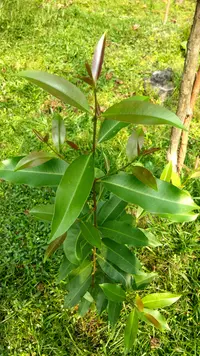
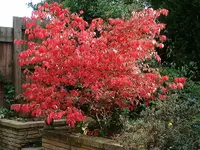
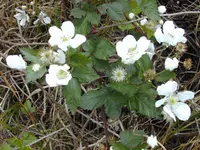
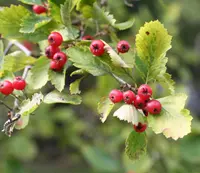
Fireberry hawthorn (Crataegus chrysocarpa) is a small deciduous tree or large shrub known for its clusters of white spring flowers and bright red to orange berries. It typically has a dense, branching habit with thorny stems and small, lobed leaves that turn attractive colors in autumn.

This species is native to North America, commonly found in open woods, thickets, and along forest edges. It is generally hardy and tolerant of cold, wind, and a range of soil types, which makes it manageable for many gardens.

To care for fireberry hawthorn, provide full sun, moderately moist but well-drained soil, and space for its mature size and thorns, especially in family or pet areas.

Main Plant Requirements

Care Difficulty

Easy Care

Light Preference

Full Sun

Water Requirements

Moderate Water

Temperature Preference

Cold Hardy

Hardiness Zone

3–7

Soil Texture

Sandy, Loamy, Clay

Soil pH

Acidic (5.5–6.5), Slightly acidic (6.5–7.0)

Soil Drainage

Well-drained

Fertilization

Minimal (feed rarely)

Get Personalized Care Plan

Scan your plant to receive care tips personalized for your specific plant

Available on iOS and Android

How to Care for the fireberry hawthorn

This deciduous shrub performs best in open, bright conditions with direct sun exposure.

  • Provide 6–8 hours of direct sun daily; full sun promotes dense branching, abundant flowers, and strong fruiting on fireberry hawthorn.
  • Plant in a site with morning to early afternoon sun; light afternoon shade in very hot summers reduces leaf scorch and stress.
  • In cooler climates, full sun all day is suitable, but in warmer regions, monitor for pale leaves, weak flowering, or leggy growth as signs of insufficient light.

This hardy species prefers evenly moist but not saturated soil, especially while establishing.

  • Water when the top 3–5 cm of soil feels dry, focusing on slow, deep soaking to encourage a wide, resilient root system.
  • Ensure well-drained soil; prolonged puddling, sour smell, or yellowing leaves can indicate overwatering or poor drainage around Crataegus chrysocarpa.
  • Reduce supplemental watering in cool, rainy seasons; in hot, dry periods, watch for drooping foliage or premature leaf drop as signs the plant needs a thorough soak.

This cold-hardy shrub tolerates a wide temperature range typical of temperate climates.

  • Active growth is strongest around 60–75°F (16–24°C), which supports steady shoot extension and flower bud development.
  • Established plants tolerate winter lows near −30°F (−34°C), but young specimens benefit from mulch to buffer rapid freeze–thaw cycles.
  • During hot spells above 90°F (32°C), provide soil moisture and mulch to limit heat stress, reducing risk of leaf scorch and premature leaf drop.

This species is an outdoor shrub that tolerates a wide humidity range, so specific humidity control is usually unnecessary.

Crataegus chrysocarpa prefers moderately fertile, well-structured mineral soil with reliable drainage.

  • Use a loamy or sandy loam soil with 20–30% organic matter from compost or well-rotted leaf mold to support root development.
  • Ensure drainage is free by avoiding compacted or heavy clay; incorporate coarse sand or fine gravel to improve percolation and root aeration.
  • Aim for slightly acidic to neutral pH, roughly 6.0–7.2, which supports nutrient availability and healthy microbial activity around the roots.
  • Avoid waterlogged spots, very saline soil, or thick, peaty mixes that hold excessive moisture and increase risk of root decline.

This species can be grown in containers, but it is better suited to in-ground planting for long-term growth and stability.

  • Choose a deep, heavy container that resists tipping, as the plant forms a woody framework and can become top-heavy in wind.
  • Select a pot volume generous enough to allow a broad root system, as constricted roots reduce flowering and berry set.
  • Use a mineral-based mix that drains freely yet holds some moisture, and monitor drying speed since containers lose water faster than garden soil.

Crataegus chrysocarpa usually needs little feeding in the ground but responds to modest nutrition in poor soils or containers.

  • Apply a balanced slow-release fertilizer (around 10-10-10) at half strength once in early spring for growing fireberry hawthorn.
  • Use a thin layer of compost over the root zone in spring to improve soil structure and slow nutrient release.
  • Avoid midsummer to fall fertilization, which can push soft growth vulnerable to winter damage.
  • Do not fertilize during winter dormancy; monitor foliage color and growth before increasing feeding.

Pruning Crataegus chrysocarpa maintains structure, encourages airflow, and supports flowering.

  • Schedule main pruning in late winter to very early spring, before bud break.
  • Remove dead, diseased, crossing, or inward-growing branches to reduce pest and disease issues.
  • Thin congested interior shoots to let in light, keeping the natural rounded or open form.
  • Use clean, sharp bypass pruners or loppers, making cuts just outside the branch collar.

This hawthorn is usually grown in the ground, so focus on careful transplanting rather than frequent repotting.

  • Plan transplanting for early spring or early fall when temperatures are mild and moisture is reliable.
  • Move young trees every 2–3 years if needed; established specimens dislike frequent disturbance.
  • Check for circling roots in container plants; gently tease them loose before setting into the new hole.
  • Water deeply before and after transplanting, shade the canopy if exposed, and keep soil evenly moist to limit root stress.

Propagation of Crataegus chrysocarpa is possible but slow and usually done by seed or hardwood cuttings.

  • Collect ripe berries in fall, clean seeds, and provide 2-step stratification: warm, then cold, to break dormancy.
  • Sow seeds in a free-draining, gritty mix and expect germination to be irregular over 1–2 years.
  • Take hardwood cuttings in late fall to winter, using pencil-thick shoots 15–20 cm long.
  • Place cuttings in a sandy, well-drained medium, keep cool and barely moist, and be patient with rooting.

This hawthorn is cold hardy and normally needs minimal winter attention once established in the landscape.

  • In cold regions, apply a 5–8 cm mulch layer around the root zone, keeping it away from the trunk.
  • Container-grown plants are more exposed; move them into a sheltered, unheated but frost-moderated spot.
  • Avoid heavy pruning late in the season so new growth hardens off before freezing temperatures arrive.

Care Tips

Encourage Strong Framework

In the first 3–5 years, selectively remove competing leaders and narrow crotch branches in late winter to build a single dominant trunk and wide branch angles that better support heavy fruit loads and resist storm damage.

Manage Root Suckers

Inspect the base and root zone each spring and cut root suckers flush with the soil surface to prevent dense, thorny thickets and to keep energy directed into the main plant structure.

Sanitation Against Leaf Diseases

Rake and remove fallen leaves and mummified fruits in autumn, and avoid composting them on-site, to reduce overwintering spores of rusts and leaf spots that commonly affect this species.

Targeted Wildlife Protection

Use a 1–1.2 m tall hardware cloth cylinder around young trunks and main scaffold branches in winter to protect bark from rodents and deer, checking yearly to loosen or enlarge as the tree thickens.

Fruit Thinning Strategy

In seasons with very heavy bloom and fruit set, gently thin clusters so that 1–2 fruits remain per spur to reduce branch breakage risk and encourage larger, healthier berries, especially when growing fireberry hawthorn for ornamental and wildlife value.

Common Pests and Diseases

Hawthorn leaf spot

This disease causes small purple spots on leaves that enlarge, turn brown, and may lead to premature defoliation, especially in humid weather.

Solution

Remove and discard fallen leaves to reduce spores, avoid overhead watering, and prune to improve airflow; in regions with severe recurring infections, apply a copper or chlorothalonil fungicide in early spring as new leaves emerge, following label directions closely.

Rust (cedar-hawthorn type)

This disease produces yellow to orange spots on upper leaf surfaces and orange, spore-bearing pustules or swellings on the undersides, often leading to early leaf drop and misshapen fruit.

Solution

Remove nearby junipers that show rust galls if practical, rake and dispose of infected leaves and fruit, and prune for good airflow; in high-pressure areas, protect new growth with a labeled rust fungicide from bud break through early summer during wet periods.

Fire blight

This bacterial disease causes sudden wilting and blackening of blossoms, shoots, and young branches, which often appear scorched and may form characteristic shepherd’s-crook tips.

Solution

Prune out infected shoots 20–30 cm below visible symptoms during dry weather, sterilizing tools between cuts with alcohol or a 10% bleach solution, and avoid high-nitrogen fertilization that encourages susceptible soft growth; in areas with a history of fire blight, consider preventive spring applications of a labeled antibiotic or biological control product during bloom, following local regulations.

Hawthorn lace bug

These insects feed on the undersides of leaves, causing fine pale stippling, yellowing, and a sandpapery look, with dark varnish-like spots of excrement beneath the foliage.

Solution

Spray the undersides of leaves with a strong stream of water to dislodge nymphs, encourage natural predators by limiting broad-spectrum insecticides, and, if damage is heavy, use an insecticidal soap or a systemic insecticide labeled for lace bugs on hawthorn in late spring when nymphs first appear.

Aphids

These insects cluster on young shoots and leaf undersides, sucking sap and causing curled or distorted growth, while producing sticky honeydew that can lead to sooty mold on leaves and fruit.

Solution

Wash colonies off with a firm water spray, prune out heavily infested shoot tips, and introduce or conserve beneficial insects such as lady beetles; if populations remain high, apply insecticidal soap or horticultural oil to thoroughly cover affected areas, repeating as needed according to label instructions as part of general Crataegus chrysocarpa care.

Interesting Facts

Distinctive orange-red fruit

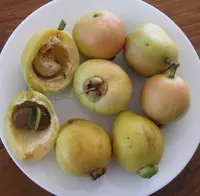
This species develops small, glossy pomes that turn bright orange to red rather than the deeper red typical of many other North American hawthorns, which helps distinguish it in the field.

Northern range specialist

It is naturally distributed across cooler regions of North America, from parts of the northern United States into Canada, and is often associated with mixed woodlands, stream margins, and open slopes in these climates.

Thorns as defense

The branches bear sharp thorns that can reach several centimeters in length, providing an effective physical defense against browsing mammals and contributing to dense, protective thickets for nesting birds.

FAQs about fireberry hawthorn

Lack of flowers is usually caused by insufficient light, heavy pruning of 1–2-year-old shoots, or nutrient imbalance from high-nitrogen fertilizer. Mature wood produces most blossoms, so avoid hard spring pruning and use balanced, slow-release fertilizer instead.

Grow Healthy Plants with Botan Care

Keep your plants happy and healthy with plant identification, disease detection, and easy care guidance.

Botan plant care app — identify plants on mobile

Explore More Plants