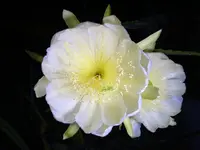
cockspur hawthorn Care (Crataegus crus-galli)

Also known as: cockspurthorn
cockspur hawthorn

About cockspur hawthorn

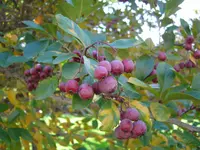
Cockspur hawthorn, Crataegus crus-galli, is a small deciduous tree or large shrub known for its dense, spreading crown and strong, thorny branches. It typically develops glossy dark green leaves, white spring flowers, and showy red fruits that persist into fall and early winter.

This species is native to eastern North America and is often used in landscapes as a tough ornamental or informal hedge. It tolerates urban conditions, wind, and a range of soils, which generally makes it straightforward to manage once established.

Full sun, moderately moist but well-drained soil, and room for its thorns are the main considerations when planning how to care for cockspur hawthorn.

Main Plant Requirements

Care Difficulty

Easy Care

Light Preference

Full Sun

Water Requirements

Moderate Water

Temperature Preference

Cold Hardy

Hardiness Zone

3–7

Soil Texture

Sandy, Loamy, Clay

Soil pH

Slightly acidic (6.5–7.0), Neutral (7.0)

Soil Drainage

Well-drained

Fertilization

Minimal (feed rarely)

Get Personalized Care Plan

Scan your plant to receive care tips personalized for your specific plant

Available on iOS and Android

How to Care for the cockspur hawthorn

This thorny deciduous tree performs best with strong, direct outdoor light throughout the growing season.

  • Provide 6–8 hours of full sun daily; morning and midday sun promote dense branching, flowers, and fruit on cockspur hawthorn.
  • Tree tolerates light partial shade, especially in hot summers, but flowering and berry production decline when sun drops below about 4–5 hours per day.
  • In hot climates, avoid intense reflected afternoon heat from pavement or walls to reduce leaf scorch and stress during drought periods.

Crataegus crus-galli prefers evenly moist but not waterlogged soil once established outdoors.

  • Before watering young trees, allow the top 5–8 cm of soil to dry; mature, field-grown trees usually rely on rainfall except during extended drought.
  • Use deep, infrequent soaking rather than light sprinkling so water penetrates 20–30 cm, encouraging deeper, drought-tolerant roots.
  • Watch for yellowing leaves and soft, dark roots as signs of overwatering or poor drainage, and dull, browning leaf edges as a sign of underwatering.

This hardy hawthorn tolerates a wide outdoor temperature range, from cold winters to warm summers.

  • Best growth occurs around 60–80°F (16–27°C) during the growing season, supporting steady shoot extension and flowering.
  • Mature trees handle winter lows near -20°F (-29°C) in many temperate climates, especially when soil is not waterlogged and roots are insulated by mulch.
  • In hot regions, brief peaks to 90–95°F (32–35°C) are tolerated if soil moisture is maintained; prolonged extreme heat or drying winds can stress foliage and reduce fruiting.

Humidity is not a significant factor for outdoor Crataegus crus-galli, which handles typical ambient conditions in most climates.

Crataegus crus-galli prefers moderately fertile, well-drained mineral soil with some organic matter.

  • Use a loamy or sandy-loam texture that does not stay waterlogged, as the root system resents prolonged saturation.
  • Aim for slightly acidic to neutral pH, roughly 6.0–7.5, avoiding highly alkaline or strongly acidic soils that restrict nutrient uptake.
  • Incorporate 20–30% compost or well-rotted leaf mold to improve structure while keeping the mix more mineral than organic.
  • On heavy clay sites, mix in sharp sand or grit and organic matter to improve drainage and aeration before planting.

This species can be grown in large outdoor containers for a limited time, mainly when young.

  • Choose a deep, heavy container that resists tipping, as the tree develops a woody trunk and spreading crown.
  • Select a pot volume large enough to support an extensive root system, leaving room for several years of structural growth.
  • Use a stable, well-draining substrate and elevate the container slightly off the ground so drainage holes stay open and water clears quickly.

This hardy native tree usually needs little feeding in average garden soil, but modest fertilization can support establishment and flowering of cockspur hawthorn.

  • Use a balanced slow-release fertilizer (around 10-10-10) or a light layer of compost once in early spring for young or stressed trees.
  • Apply fertilizer over the root zone, staying away from the trunk, and water in thoroughly to avoid root burn.
  • Use fertilizer at 1/2 label strength on fertile soils to prevent overly lush, weak growth.
  • Skip fertilizing in late summer and winter, as the tree is entering or in dormancy and does not need extra nutrients.

Thoughtful pruning keeps Crataegus crus-galli structurally sound and improves air flow without reducing flowering too much.

  • Prune in late winter to very early spring before bud break, when branch structure is easy to see.
  • Remove dead, diseased, crossing, or inward-growing branches first to reduce pest issues and improve light penetration.
  • Thin crowded interior shoots rather than shortening all tips, which helps maintain a natural shape and good flowering.
  • Use sharp bypass pruners or loppers, making clean cuts just outside the branch collar to promote proper healing.

This hawthorn is usually grown in the ground, so care focuses on transplanting young trees rather than frequent repotting.

  • Transplant in late fall or early spring while dormant to reduce stress and improve establishment.
  • Look for signs such as roots circling the container, very slow growth, or quick drying soil to know a potted tree needs a larger container or ground planting.
  • Move up only 1 pot size or plant into a hole 2–3 times the root ball width, backfilling with native soil rather than rich potting mix.
  • Water deeply after planting, then keep soil evenly moist for the first growing season, and apply a 5–8 cm mulch ring kept away from the trunk.

Reproduction of this species is possible from both seeds and cuttings, but is slower and more technical than many shrubs.

  • Collect ripe berries in fall, clean the seeds, and use cold stratification (chilling moist seeds for several months) before spring sowing.
  • Sow seeds in a well-drained, gritty mix outdoors or in a cold frame, accepting that germination may be spread over 1–2 years.
  • Take semi-hardwood cuttings in mid to late summer, using rooting hormone and bottom heat to improve rooting chances.
  • Maintain high humidity around cuttings with a clear cover and use bright, indirect light to limit stress and fungal problems.

Mature Crataegus crus-galli trees are cold hardy in most temperate climates and usually need minimal winter care once established.

  • In late fall, apply a 5–8 cm mulch layer over the root zone, keeping it a few cm away from the trunk to avoid rot.
  • Young or container-grown trees benefit from shelter from drying winter winds and consistent soil moisture when the ground is not frozen.
  • Move containers into an unheated garage or against a sheltered wall in colder regions to reduce root freeze-thaw stress.

Care Tips

Thorn-aware placement

Site the tree at least 6–8 ft from paths, driveways, play areas, and workspaces so the long, rigid thorns do not pose a hazard during maintenance or daily use of the garden.

Trunk scaffold training

During the first 3–5 years, select 3–5 evenly spaced main branches and remove competing leaders in late winter to build a strong scaffold that resists storm damage and supports heavy fruit loads.

Airflow for disease

Thin out crowded, crossing interior branches in late winter to improve air circulation and light penetration, which lowers the risk of foliar diseases such as leaf spot and rust when growing cockspur hawthorn.

Fruit and litter management

If fallen fruits become messy or attract wildlife where not wanted, rake and remove them promptly in autumn or use the tree away from hard surfaces so leaf and fruit drop can decompose in surrounding turf or groundcover.

Root zone protection

Keep turfgrass and frequent foot traffic away from the root zone under the canopy dripline by using mulch or low groundcovers, which reduces soil compaction and protects shallow feeder roots from damage.

Common Pests and Diseases

Hawthorn leaf blight

This disease causes brown to black spots on leaves that often merge, leading to early leaf drop and a thin canopy. Symptoms include affected leaves starting in the lower crown and moving upward in wet seasons.

Solution

Prune out and destroy heavily infected shoots and fallen leaves to reduce fungal spores, and avoid overhead watering during cool, wet periods. Improve airflow through careful thinning of crowded branches, and in landscapes with recurring issues, apply a labeled copper or chlorothalonil fungicide at bud break and repeat according to product directions.

Fire blight

This disease leads to blackened, wilted shoots that look scorched, with a characteristic shepherd’s-crook bend at the tip. Symptoms include oozing, amber-colored bacterial exudate on infected twigs and cankers on branches or trunks.

Solution

Prune out infected shoots 20–30 cm below visible damage during dry weather, disinfecting tools between cuts with 70% alcohol or a 10% bleach solution. Avoid high-nitrogen fertilization and heavy pruning in spring, and in areas with a history of fire blight, consider spring applications of labeled copper or biological bactericides when flowers open as part of broader Crataegus crus-galli care.

Cedar-hawthorn rust

This disease produces bright orange or yellow spots on leaves and sometimes causes distorted or blemished fruit. Symptoms include swelling or galls on nearby junipers, which are an alternate host for the fungus.

Solution

Remove and destroy fallen leaves and infected fruit, and if practical, reduce nearby infected junipers that serve as spore sources. In high-pressure areas, protect new foliage with a labeled myclobutanil or propiconazole fungicide at bud break and repeat as directed, and maintain good airflow and sunlight exposure to help foliage dry quickly after rain.

Hawthorn lace bug

These insects feed on the underside of leaves, causing fine pale stippling and a dull, bleached appearance on the upper surface. This pest also leaves dark varnish-like spots of excrement on the leaf undersides.

Solution

Spray the undersides of leaves with a strong stream of water to dislodge nymphs, and encourage natural predators such as lady beetles by minimizing broad-spectrum insecticide use. For heavy infestations, use a horticultural oil or insecticidal soap thoroughly on the leaf undersides, repeating as needed according to label directions.

Hawthorn leafminer

This pest creates winding, pale tunnels or blotches inside leaves as larvae feed within the leaf tissue. Symptoms include premature yellowing and early drop of heavily mined leaves, especially on lower branches.

Solution

Rake and destroy fallen, mined leaves in late summer and fall to reduce overwintering larvae. For severe, recurring problems, consider a systemic insecticide labeled for leafminers applied at bud break, or time a spinosad spray when new leaves are expanding and early mines first appear, following label directions carefully.

Interesting Facts

Distinct thorn morphology

This species develops long, stiff thorns that often branch and can exceed the length of many other hawthorn species, creating particularly effective physical protection for twigs and young shoots.

Variable growth form

It can grow as a small, wide-crowned tree or a large, multi-stemmed shrub, with its ultimate form strongly influenced by light exposure, soil conditions, and pruning history.

High wildlife value

Its dense, thorny structure offers safe nesting sites for small birds, while the autumn haws (fruit) are an important seasonal food source for many songbirds and small mammals.

Botan icon

Did you know?

The species name crus-galli means cock’s spur in Latin and refers to the distinctive, spur-like thorns, which are so characteristic that they inspired the plant’s formal scientific name and common name, cockspur hawthorn.

FAQs about cockspur hawthorn

Flowering is reduced by heavy shade, excessive nitrogen fertilizer, or hard pruning at the wrong time, which removes flower buds. Root stress, drought during bud formation, or very young age also delay bloom development in this species.

Grow Healthy Plants with Botan Care

Keep your plants happy and healthy with plant identification, disease detection, and easy care guidance.

Botan plant care app — identify plants on mobile

Explore More Plants