Zulu Spurflower Care (Plectranthus zuluensis)

Zulu Spurflower

About Zulu Spurflower

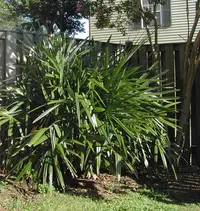
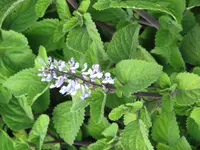
Zulu spurflower, Plectranthus zuluensis, is a soft, shrubby perennial from South Africa, valued for its scented foliage and tubular, lavender to bluish flowers. It typically forms a loose, bushy mound with branching stems and slightly fuzzy leaves, giving it a relaxed, informal look in pots or mixed plantings.

In its native habitat it grows in lightly shaded, moist forest or rocky slopes, which explains its preference for bright, indirect light and evenly moist, well-drained soil. It adapts well to containers and hanging baskets, making it suitable for indoor or patio use.

Its fast growth, easy propagation from cuttings, and tolerance of occasional neglect make it a good choice for beginners learning how to care for Zulu Spurflower.

Main Plant Requirements

Care Difficulty

Easy Care

Light Preference

Partial Shade

Water Requirements

Moderate Water

Temperature Preference

Tropical / Frost Sensitive

Hardiness Zone

10–11

Soil Texture

Loamy, Sandy, Organic-rich

Soil pH

Acidic (5.5–6.5), Slightly acidic (6.5–7.0)

Soil Drainage

Moist but well-drained

Fertilization

Light (every 4–6 weeks)

Get Personalized Care Plan

Scan your plant to receive care tips personalized for your specific plant

Available on iOS and Android

How to Care for the Zulu Spurflower

This plant prefers bright, gentle light that mimics an open woodland edge.

  • Provide 3–5 hours of soft morning sun with bright, filtered light the rest of the day, especially in warmer regions.
  • Tolerates partial shade, but in deep shade stems stretch, leaves pale, and flowering decreases noticeably.
  • Avoid harsh midday and afternoon sun, which can cause leaf scorch and crispy edges; increase light gradually in late winter and early spring for Zulu Spurflower.

This species likes evenly moist but not saturated soil.

  • Water when the top 2–3 cm of soil feel dry; soil below should stay slightly damp but never soggy.
  • In active growth and flowering, check moisture more often; reduce watering in cooler months when growth slows to prevent root problems in Plectranthus zuluensis.
  • Symptoms of overwatering include yellowing, soft leaves, and a musty smell from the soil; underwatering causes limp, dull leaves that perk up within hours of a thorough watering.

This plant grows best in mild, frost-free conditions.

  • Ideal growth occurs at 65–80°F (18–27°C), with steady temperatures supporting denser foliage and more flowers.
  • Protect from cold; growth stops below about 50°F (10°C), and frost at 32°F (0°C) or lower can kill stems and roots.
  • Handles short heat spells up to about 90°F (32°C) if shaded during the hottest hours and soil is kept evenly moist but not waterlogged.

This species handles average indoor humidity but benefits from slightly moist air.

  • Aim for 40–60% humidity to reduce leaf edge browning and keep growth even.
  • It tolerates short periods of dry air, but prolonged levels below 30% can cause curling, dull leaves, and slowed growth.
  • Increase humidity by grouping plants, placing the pot on a pebble tray with water below the base, or using a small room humidifier near Zulu Spurflower.

Plectranthus zuluensis prefers a loose, airy mix that drains quickly yet holds moderate moisture.

  • Use a peat- or coco-based potting mix amended with 30–40% perlite or pumice to improve drainage and aeration.
  • A slightly acidic to neutral pH around 6.0–7.0 supports nutrient uptake without causing leaf chlorosis.
  • Incorporate a small amount of fine compost for sustained nutrients but avoid heavy garden soil that compacts.
  • Avoid dense, soggy mixes or containers that stay wet for more than 2–3 days, which encourages root and stem rot.

This plant is well suited to container growing.

  • Choose a wide, shallow pot to accommodate its spreading root system and keep the plant from becoming unstable as stems trail.
  • Select a slightly porous material such as terracotta if you tend to overwater, as it helps excess moisture evaporate faster.
  • Ensure the container is heavy or broad-based enough that trailing growth does not tip it over in outdoor breezes or on balcony railings.

This plant responds well to light, consistent feeding during the active growing season.

  • Use a balanced liquid fertilizer (such as 10-10-10 or 20-20-20) at 1/2 strength for caring for Zulu Spurflower in pots or baskets.
  • Feed every 3–4 weeks in spring and summer when growth is active, after watering the soil lightly first.
  • Switch to a slow-release granular fertilizer in early spring if preferred, following label rates for container plants.
  • Reduce feeding to once in 6–8 weeks, or stop entirely, during fall and winter when growth slows.

Plectranthus zuluensis benefits from light, regular shaping to maintain a compact, flowering form.

  • Carry out main pruning in late winter or early spring before strong new growth begins.
  • Pinch or trim soft tips through the growing season to encourage bushier growth and more flowering shoots.
  • Remove dead, damaged, or overcrowded stems at the base using clean, sharp scissors or hand pruners.
  • Disinfect blades between plants to limit disease spread and avoid taking more than 1/3 of the foliage at once.

This species adapts well to containers and benefits from occasional repotting to refresh the root zone.

  • Check for roots circling the pot, growing from drainage holes, or slowed growth as signs repotting is needed.
  • Plan to repot every 1–2 years in spring, moving to a container 2–3 cm wider with drainage holes.
  • Lift the plant gently, loosen circling roots with fingers, and trim only damaged or rotten sections.
  • Replant at the same soil level, firm mix around roots, water thoroughly, then keep in bright, indirect light for 3–5 days to limit stress.

This plant is commonly propagated from softwood stem cuttings for uniform new plants.

  • Take 7–10 cm non-flowering tip cuttings in late spring or summer from healthy Plectranthus zuluensis shoots.
  • Remove lower leaves, leaving 2–3 pairs at the top, and optionally dip the cut base in a mild rooting hormone.
  • Insert cuttings into moist, well-drained mix, then keep at 68–75°F in bright, indirect light.
  • Maintain high humidity with a loose plastic cover and provide good air circulation; roots usually form in 2–4 weeks.

This tender species needs protection from freezing temperatures in most climates.

  • Treat it as a frost-sensitive plant; growth declines below about 50°F and frost can kill top growth.
  • Move container plants indoors or to a heated greenhouse before night temperatures fall near 40°F.
  • Indoors, provide bright, indirect light, modest watering, and no or very light feeding during winter.
  • In mild, frost-free zones, a light mulch around the base helps buffer root temperature and moisture.

Care Tips

Pinch For Bushiness

Regularly pinch back the soft shoot tips every 3–4 weeks during active growth to keep plants compact, encourage dense branching, and avoid leggy, floppy stems.

Refresh Woody Plants

If older plants become woody and sparse in the center, cut back the longest stems by 1/3 in early spring and use the healthy tips as cuttings to renew the plant in the same pot.

Seasonal Light Shifting

Move containers closer to the brightest window in autumn and winter, then a little farther back or slightly shaded in summer to compensate for seasonal changes in sun intensity when growing Zulu Spurflower.

Edge Control In Containers

When trailing stems get too long, loop and lightly pin them onto the soil surface so they root along the nodes, creating a fuller, more stable plant mass that is less likely to tip the pot.

Prevent Botrytis Indoors

In cool, low-light seasons, remove spent flowers promptly and improve air movement around the foliage to reduce the risk of botrytis gray mold on dense, moisture-holding leaves and stems.

Common Pests and Diseases

Mealybugs

This pest often hides in leaf axils and along soft stems, sucking sap and causing distorted, weakened growth. Symptoms include sticky honeydew and cotton-like white clusters.

Solution

Isolate the plant, then dab visible insects with cotton swabs dipped in 70% isopropyl alcohol and gently wipe affected areas. Repeat weekly and improve airflow; for larger infestations, use a ready-to-use insecticidal soap, ensuring full coverage of stems and leaf undersides.

Spider mites

These insects favor the soft, aromatic foliage and can cause stippled, faded leaves and fine webbing, especially in warm, dry indoor air. Symptoms include dulling of leaf color and premature leaf drop.

Solution

Rinse the plant thoroughly with lukewarm water, focusing on leaf undersides, then apply insecticidal soap or horticultural oil every 7–10 days until no new damage appears. Raise humidity slightly, avoid hot, dry locations, and keep the plant away from heat vents to reduce reinfestation, which is key for Zulu Spurflower indoor care.

Aphids

This pest tends to cluster on tender new shoots and flower spikes, causing curling or misshapen growth and sticky honeydew. Symptoms include slowed growth and occasional sooty mold on leaves.

Solution

Spray the plant with a strong but gentle stream of water to dislodge colonies, then treat remaining insects with insecticidal soap, repeating as needed. Prune heavily infested shoot tips and dispose of them, and avoid excessive nitrogen fertilization that encourages very soft, aphid-prone growth.

Botrytis blight

This disease develops in cool, humid, low-airflow conditions and affects soft stems and leaves, especially when foliage stays wet. Symptoms include soft, brown, water-soaked spots that may develop gray fuzzy mold.

Solution

Remove and discard all affected parts, then improve spacing, airflow, and light so foliage dries more quickly. Water at the soil level in the morning, keep leaves as dry as possible, and in persistent cases apply a labeled fungicide suitable for ornamental houseplants, following package directions.

Powdery mildew

This disease appears as white, powdery patches on upper leaf surfaces and can cause leaf yellowing and premature drop, especially in moderate temperatures with poor air movement. Symptoms include a dusty coating that may spread quickly across dense foliage.

Solution

Increase airflow around the plant, avoid overhead watering, and promptly remove heavily infected leaves. For remaining foliage, use a labeled sulfur or potassium bicarbonate fungicide, or a horticultural oil product, making sure to test on a small area first and apply in cooler parts of the day to avoid leaf burn.

Interesting Facts

Mist-belt forest origins

This species is native to misty forested slopes in KwaZulu-Natal and nearby regions of South Africa, where it naturally grows in humus-rich, shady rock crevices. Its wild habitat helps explain its preference for cool air movement and protection from intense sun in cultivation.

Cool-season flowering habit

Unlike many tropical ornamentals, it often flowers most heavily in cooler months under mild conditions, producing pale bluish to lilac tubular blooms on lax stems. This cool-season blooming pattern makes it valuable for extending the flowering period in frost-free gardens and bright indoor spaces.

Distinctive translucent stems

Mature plants frequently develop semi-succulent, somewhat translucent green stems that root easily where they touch moist soil. This growth habit allows the plant to layer itself over rocky substrates in the wild, forming loose, trailing clumps.

Botan icon

Did you know?

In frost-free South African gardens this species is sometimes used to soften retaining walls and shaded rocky banks, where its trailing habit lets it spill over edges and bloom in pale blue sheets, providing an unusual contrast to the region’s many sun-loving flora.

FAQs about Zulu Spurflower

Lack of flowers usually comes from insufficient light, heavy feeding with high-nitrogen fertilizer, or old, unpruned stems. Provide bright conditions, use a balanced fertilizer, and lightly trim after each flush of flowers to encourage new blooming shoots.

Grow Healthy Plants with Botan Care

Keep your plants happy and healthy with plant identification, disease detection, and easy care guidance.

Botan plant care app — identify plants on mobile

Explore More Plants