Mulch For Cool Roots
Apply a 3–5 cm layer of fine bark or leaf mold around the root zone each spring to keep the rhizomes cool, conserve moisture, and mimic the constant litter layer of its native forest floor.

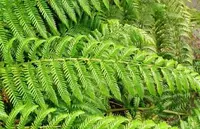
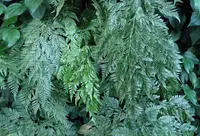
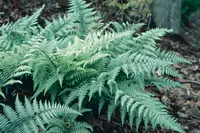
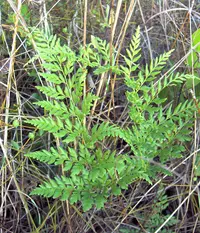
Lophosoria quadripinnata, often called helecho marco (Delyns Santos Trinidad), is a terrestrial fern with finely divided, arching fronds that create a soft, layered texture. It forms a broad clump, giving a lush, woodland look in shaded spaces.
This species is native to humid forests of Central and South America, where it grows under taller trees in cool, moist conditions. Its preference for consistent moisture and shelter from harsh sun can make it slightly more demanding than common houseplants.
Gardeners who learn how to care for helecho marco (Delyns Santos Trinidad) find it rewarding in shaded gardens or as a specialty indoor fern. It typically prefers bright, indirect light, evenly moist soil, and good humidity.

Care Difficulty
Moderate Care

Light Preference
Partial Shade

Water Requirements
Keep Soil Moist

Temperature Preference
Cool Climate

Hardiness Zone
8–10

Soil Texture
Loamy, Peaty, Organic-rich

Soil pH
Strongly acidic (4.5–5.5), Acidic (5.5–6.5)

Soil Drainage
Moist but well-drained

Fertilization
Minimal (feed rarely)
Scan your plant to receive care tips personalized for your specific plant
Available on iOS and Android
This fern prefers bright, gentle light that mimics a cool, forested understory.
This species needs consistently moist but not waterlogged soil to stay healthy.
This fern thrives in cool to mild, stable temperatures with good humidity.
This fern prefers consistently moist air to maintain lush fronds.
This species thrives in loose, humus-rich soil that stays evenly moist yet well aerated.
This fern adapts well to container growing when given stable moisture and room for its fibrous root system.
This fern benefits from light, balanced feeding during active growth, but is sensitive to excess salts.
Lophosoria quadripinnata needs only light, maintenance pruning to stay healthy and tidy.
This fern prefers minimal disturbance, so repotting or transplanting should be infrequent and gentle.
This fern is most practically propagated by division, since spore propagation is slow and technical.
In mild climates this fern is fairly hardy, but extra winter care helps maintain frond quality.

Plant Health Check
Not sure what's wrong with your plant? Check your plant's health inside the app.
This fern belongs to a very old lineage within the fern group and is often described as a relict of Gondwanan forests, with natural populations stretching discontinuously from southern Mexico through Central America to southern South America.
It typically grows in cool, very humid montane and cloud forests, often on steep slopes or ravine edges where mist and frequent rainfall keep the fronds constantly moist but the soil well drained.
Young fronds usually emerge with a distinct coppery or bronze tint before turning deep green, a color change thought to protect delicate new tissue from excess light while it is still expanding.

In some parts of Chile and Argentina, this species can form almost pure stands that dominate the understory, creating dense, visually striking fern layers that strongly influence light levels, humidity, and seedling establishment for many other forest plants.
This species generally performs better outdoors in mild, humid, frost-free climates where it can form a large clump. Indoors, growth is slower and more compact, requiring careful humidity and temperature control to keep fronds lush.
Keep your plants happy and healthy with plant identification, disease detection, and easy care guidance.