Intermediate bamboo fern Care (Coniogramme intermedia)

Intermediate bamboo fern

About Intermediate bamboo fern

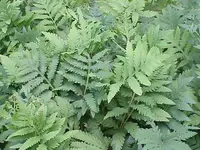
Intermediate bamboo fern, Coniogramme intermedia, is a clump-forming terrestrial fern known for its long, arching fronds with a bamboo-like look. The leaflets are narrow, often with attractive midrib markings that give the plant a fine, elegant texture.

It is native to parts of East Asia, where it grows on shaded forest floors and moist slopes. This background makes it best suited to sheltered spots with consistent moisture and humus-rich, well-drained soil.

Intermediate bamboo fern tends to be moderate in difficulty, as it dislikes drying out and strong sun but responds well to stable, gentle conditions. Understanding how to care for Intermediate bamboo fern mainly involves providing steady moisture, shade, and protection from extremes.

Main Plant Requirements

Care Difficulty

Moderate Care

Light Preference

Partial Shade

Water Requirements

Keep Soil Moist

Temperature Preference

Warm Climate

Hardiness Zone

7–10

Soil Texture

Loamy, Silty, Organic-rich

Soil pH

Acidic (5.5–6.5), Slightly acidic (6.5–7.0)

Soil Drainage

Moist but well-drained

Fertilization

Light (every 4–6 weeks)

Get Personalized Care Plan

Scan your plant to receive care tips personalized for your specific plant

Available on iOS and Android

How to Care for the Intermediate bamboo fern

This fern thrives in bright, filtered light that mimics a lightly shaded forest floor.

  • Provide 2–4 hours of soft morning sun with dappled or filtered light the rest of the day; avoid harsh afternoon sun that can scorch fronds.
  • Plant Intermediate bamboo fern in partial to full shade outdoors, under trees or beside walls that block direct midday sun.
  • In summer, increase shade if fronds turn pale or crispy; in darker seasons, choose a brighter, but still indirect, position to maintain vigor.

This species prefers consistently moist but never waterlogged soil.

  • Water when the top 2–3 cm of soil feels just barely dry, aiming to keep the root zone evenly damp rather than cycling between very wet and very dry.
  • Ensure soil drains freely; on heavy or compacted ground, amend with organic matter to reduce puddling and root rot risk in Coniogramme intermedia.
  • In hot, windy weather, check moisture more often and watch for curling or crisping fronds as a sign of underwatering, versus blackened, limp fronds from excess moisture.

This fern performs best in mild, stable temperatures without extremes of heat or cold.

  • Ideal growth occurs around 60–75°F (16–24°C), which supports steady frond development and healthy roots.
  • Protect plants if temperatures approach 32°F (0°C); light frost may damage fronds, and prolonged freezing can kill crowns.
  • In hot spells above 85°F (29°C), provide extra shade and soil moisture, since high heat combined with dry soil quickly stresses this fern.

This fern prefers consistently moist air and reacts quickly to dry indoor conditions.

  • Aim for 60–80% humidity, using a humidifier or grouping plants in naturally damp rooms.
  • Tolerates brief dips to 40–50%, but fronds may crisp at the edges and tips if air stays dry.
  • Watch for curling, browning pinnae and stalled new fronds as humidity stress, then increase moisture around Intermediate bamboo fern without wetting fronds constantly.

This species grows best in loose, moisture-retentive but well-drained, organic-rich soil.

  • Use a mix of roughly 50% peat or coco coir, 30% compost, and 20% perlite or fine bark to balance moisture and aeration.
  • Target slightly acidic to neutral pH around 5.5–7.0, avoiding strongly alkaline mixes that can limit nutrient uptake.
  • Ensure water drains within a few seconds from the pot base or bed surface, never allowing prolonged puddling or a sour, stagnant smell.
  • Improve heavy or sticky soils by blending in coarse sand and extra perlite before planting Coniogramme intermedia to reduce compaction and root stress.

This fern adapts very well to container growing when moisture and stability are managed carefully.

  • Choose a wide, relatively shallow pot to accommodate its spreading rhizomes and maintain even moisture without waterlogging the center.
  • Use a heavier ceramic or clay container outdoors to prevent tipping as fronds arch and catch wind.
  • Raise the pot slightly on feet or bricks so drainage holes stay clear and excess water exits quickly instead of pooling under the base.

This fern benefits from light, consistent nutrition during its active growing season.

  • Use a balanced liquid fertilizer (for example 10-10-10) at 1/4–1/2 strength every 4–6 weeks in spring and summer.
  • Alternatively, apply a thin top-dressing of fine compost or a low-dose slow-release fertilizer at the start of the season.
  • Ensure soil is moist before feeding to limit root burn and skip feeding if the plant is stressed or waterlogged.
  • Stop fertilizing Intermediate bamboo fern in late fall and do not feed in winter dormancy.

Coniogramme intermedia needs only light, maintenance-focused pruning to stay tidy and healthy.

  • Best time for pruning is late winter to early spring before strong new growth begins.
  • Cut away dead, diseased, or damaged fronds at the base using clean, sharp scissors or hand pruners.
  • Thin congested fronds slightly to improve air flow and maintain an open, graceful clump shape.
  • Avoid cutting healthy green fronds hard, as these are important for photosynthesis and overall vigor.

This fern prefers stable conditions and benefits from infrequent but careful repotting or division.

  • Plan to repot or transplant every 2–3 years, ideally in early spring as new growth starts.
  • Check for roots circling the pot, pushing through drainage holes, or noticeably slowed growth as cues for repotting.
  • Move into a container 2–3 cm wider, using a moisture-retentive, free-draining mix and handling roots gently.
  • Water thoroughly after repotting, keep in shaded, wind-sheltered conditions for 1–2 weeks, and maintain even moisture to reduce stress.

Propagation of this fern is most reliable through careful division of mature clumps.

  • Divide established plants in early spring when new fronds are just emerging and soil is workable.
  • Lift the clump, then separate sections with several healthy fronds and a good portion of rhizome and roots.
  • Replant divisions into shaded, consistently moist, humus-rich soil, firming gently around the roots.
  • Maintain high humidity and steady moisture, avoiding waterlogging, until divisions show new frond growth.

This fern is only moderately cold tolerant and benefits from some winter protection in cooler climates.

  • In regions with frost, apply a 5–8 cm layer of leaf mold or bark mulch around the root zone in late fall.
  • Allow deciduous fronds to die back naturally, then cut them off at the base once fully brown and dry.
  • In cold winters, grow Coniogramme intermedia in containers and move them to a cool, frost-free, bright location.

Care Tips

Rhizome Spacing

When planting in the ground or a wide container, leave 25–30 cm between rhizomes so new fronds can expand without crowding and airflow stays good, which helps limit fungal problems when growing Intermediate bamboo fern.

Mulch Management

Apply a 2–3 cm layer of fine bark or leaf mold around, but not on top of, the rhizomes to keep the root zone evenly cool and moist, then refresh this mulch each spring as it breaks down.

Frond Renewal

At the end of winter, remove any tattered or spotted fronds at the base with clean, sharp pruners to stimulate a flush of healthy new growth and reduce overwintering pests and spores.

Container Rotation

For potted plants kept near a window or in a shaded patio, rotate the container 1/4 turn every 2–3 weeks so fronds develop evenly and the plant does not lean strongly in one direction.

Dividing Mature Clumps

Every 3–4 years, lift and divide congested clumps in early spring, keeping each division with several healthy rhizome sections and fronds, then replant promptly to maintain vigor and prevent the center from thinning out.

Common Pests and Diseases

Scale insects

These insects attach to frond stalks and leaf midribs, sucking sap and causing yellowing, stunting, and sticky honeydew that can lead to sooty mold on intermediate bamboo fern.

Solution

Wipe fronds and stems with a soft cloth dipped in diluted insecticidal soap or horticultural oil, repeating every 7–10 days until no new scale is seen, and improve air circulation and avoid excess fertilizer to reduce susceptibility.

Fern aphids

These insects cluster on the soft new fronds and undersides of leaves, distorting growth and leaving sticky honeydew that can attract ants.

Solution

Rinse foliage thoroughly with a strong but gentle stream of water, then treat remaining colonies with insecticidal soap, ensuring full coverage of undersides of fronds and repeating weekly until populations drop.

Rhizoctonia leaf blight

This disease causes irregular brown lesions starting at the frond base or along the midrib, which can coalesce and cause sections of the frond to collapse in warm, humid, crowded conditions.

Solution

Remove and discard affected fronds, increase spacing and airflow, water at the soil level instead of overhead, and if needed apply a labeled fungicide for Rhizoctonia on ferns according to the product directions.

Bacterial leaf spot

This disease produces small water-soaked spots that turn dark brown with a yellowish halo, often beginning on lower fronds kept wet for long periods.

Solution

Cut off and discard infected fronds, keep foliage dry by watering at the base in the morning, increase air movement, and avoid misting or splashing water between plants to limit spread.

Interesting Facts

Streamside forest specialist

This fern is naturally found on moist slopes and along shaded stream banks in East Asia, where it helps stabilize soil in humid broadleaf forests.

Distinctive banded fronds

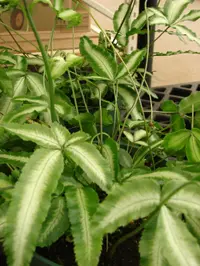
The species is recognized by its long, arching fronds with narrow pinnae that often show a subtle dark banding along the midrib, giving a bamboo-like appearance despite not being related to true bamboos.

Clump-forming colony builder

It spreads slowly by short creeping rhizomes, forming loose colonies that can create soft understory patches without becoming aggressively invasive in its native habitats.

FAQs about Intermediate bamboo fern

Brown leaf tips or edges usually result from low humidity, underwatering, or excess fertilizer salts. Check soil moisture, flush the pot occasionally with clean water, and increase ambient humidity with a tray or humidifier.

Grow Healthy Plants with Botan Care

Keep your plants happy and healthy with plant identification, disease detection, and easy care guidance.

Botan plant care app — identify plants on mobile

Explore More Plants