Mulch For Coolness
Apply a 3–5 cm layer of fine bark or leaf mold around the crown without covering it to keep roots cool, conserve moisture, and reduce weed competition.

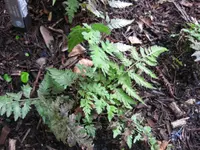
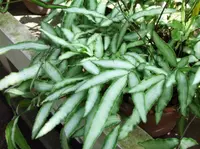
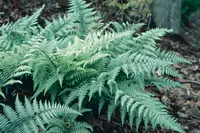
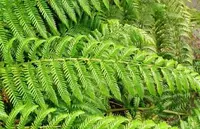
Eared lady fern, Athyrium otophorum, is a deciduous woodland fern valued for its softly arching fronds and contrasting dark purple to reddish stalks. The foliage often emerges pale and matures to a rich green, giving the plant a layered, textured look in shaded plantings.
This fern is native to East Asia, where it grows in cool, moist forests and along shaded slopes. In gardens, it forms neat clumps rather than spreading aggressively, which makes it suitable for smaller shaded borders and containers.
Moderate growth rate, a preference for consistent moisture, and a need for shade or dappled light mean that basic knowledge of how to care for Eared Lady Fern helps keep it healthy and long-lived.

Care Difficulty
Moderate Care

Light Preference
Partial Shade

Water Requirements
Keep Soil Moist

Temperature Preference
Cool Climate

Hardiness Zone
5–8

Soil Texture
Loamy, Peaty, Organic-rich

Soil pH
Acidic (5.5–6.5), Slightly acidic (6.5–7.0)

Soil Drainage
Moist but well-drained

Fertilization
Light (every 4–6 weeks)
Scan your plant to receive care tips personalized for your specific plant
Available on iOS and Android
This woodland fern prefers soft, filtered light that mimics a shaded forest edge.
This fern needs steadily moist but never waterlogged soil to stay healthy.
This hardy fern prefers cool to mild conditions with moderate seasonal variation.
This fern prefers consistently moist air and benefits from higher humidity than most homes provide.
This fern grows best in loose, moisture-retentive but aerated soil rich in organic matter.
This species adapts well to container growing when moisture and root space are managed carefully.
This fern benefits from light feeding during the growing season but reacts poorly to heavy fertilizer.
Pruning Athyrium otophorum is mainly about hygiene and keeping the clump tidy rather than shaping.
This fern is often grown in the ground, but container plants or crowded clumps benefit from occasional transplanting.
Division is the most reliable way to increase Athyrium otophorum while keeping the parent traits.
This fern is generally cold hardy in much of the US and needs only modest winter care once established.

Plant Health Check
Not sure what's wrong with your plant? Check your plant's health inside the app.
The species name otophorum refers to the ear-like lobes at the base of the pinnae, which give the fronds a distinctive outline not seen in most other Athyrium species.
Mature plants often develop dark red to purple stipes (frond stalks) that contrast strongly with the pale green leaf tissue, a color combination characteristic of this species in cultivation and in its native range.
This fern is naturally distributed in cool, moist forests of Japan and parts of East Asia, where it grows on humus-rich slopes and along shaded stream banks under a deciduous tree canopy.
Brown tips or fronds usually result from low humidity, underwatering, or excess fertilizer salts. Check soil moisture, flush the pot occasionally, increase ambient humidity, and keep it away from hot drafts, heaters, or direct airflow.
Keep your plants happy and healthy with plant identification, disease detection, and easy care guidance.