Mounting Surfaces
Attach the fern to rough, barky branches or cork slabs using soft ties or biodegradable twine, then cover the rhizomes lightly with sphagnum or leaf litter to keep them anchored without burying them.

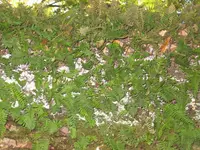
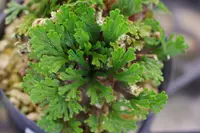
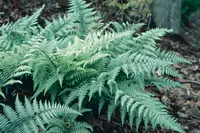
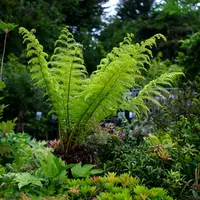
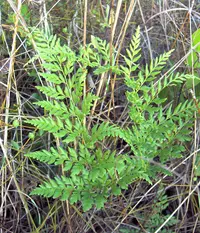
Resurrection fern, Pleopeltis polypodioides, is an epiphytic fern that often grows on tree bark, rocks, and old logs rather than in soil. Its fronds curl, dry, and turn gray-brown during drought, then rapidly rehydrate and turn green again after rain. This dramatic survival strategy gives the plant its common name and explains why many people find it interesting to care for resurrection fern. In nature it is common in the southeastern United States, the Caribbean, and parts of Central and South America. It generally prefers bright, filtered light, regular moisture from humidity or rainfall, and a well-drained, bark-like surface rather than dense potting soil.

Care Difficulty
Moderate Care

Light Preference
Partial Shade

Water Requirements
Moderate Water

Temperature Preference
Warm Climate

Hardiness Zone
6–9

Soil Texture
Rocky, Organic-rich

Soil pH
Acidic (5.5–6.5)

Soil Drainage
Well-drained

Fertilization
Minimal (feed rarely)
Scan your plant to receive care tips personalized for your specific plant
Available on iOS and Android
This epiphytic fern prefers bright, indirect light that mimics dappled woodland conditions.
This species is drought-tolerant but benefits from thoughtful moisture management, especially when grown on mounts or bark.
This fern is adapted to warm-temperate to subtropical climates with mild winters and warm, humid summers.
This species tolerates drying cycles but grows best in moderately humid air.
This epiphytic fern prefers a loose, highly aerated, organic-based substrate rather than dense garden soil.
This fern can be grown in containers or mounted planters if drainage and aeration are prioritized.
This species needs very little feeding, especially when grown on trees or rocks as in nature.
Pruning Pleopeltis polypodioides is minimal and focuses on cleanliness rather than shaping.
This fern is usually grown attached to bark, rock, or trees, so transplanting is rare and should be gentle.
Propagation is possible but slow, mainly by dividing established mats rather than using spores.
Outdoor plants in mild climates need little specific winter care, as this fern tolerates drying and moderate cold.

Plant Health Check
Not sure what's wrong with your plant? Check your plant's health inside the app.
This fern can lose up to most of its free water, curl up, and appear dead during drought, then rehydrate and resume photosynthesis within hours after rain. Its cells contain protective sugars and proteins that stabilize membranes when nearly dry.
In the southeastern United States it commonly grows as an epiphyte on live oaks and other hardwoods, rooting into bark crevices instead of soil. It takes moisture and nutrients from rain, dust, and decaying organic matter that collects around its rhizomes.
When fronds dry out, their surfaces become more reflective and grayish, which helps reduce heat load and further water loss. Upon rehydration, chlorophyll activity and the deep green color return, demonstrating an efficient reversible stress response.

This species is a classic example of a so‑called resurrection plant, often used in physiological research to study how vascular plants survive near-complete dehydration and then restore normal metabolic activity after rehydration.
This species naturally dries, curls, and turns brown during drought, then rehydrates and greens up after moisture returns. Browning is often a normal dormant state, not death, unless fronds remain brittle after repeated hydration.
Keep your plants happy and healthy with plant identification, disease detection, and easy care guidance.