Selaginella erythropus Care

Selaginella erythropus

About Selaginella erythropus

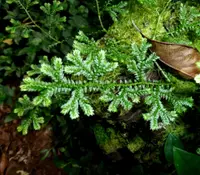
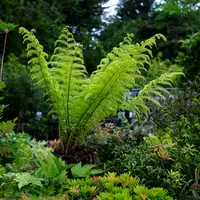
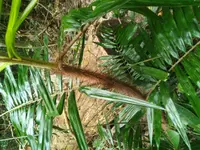
Selaginella erythropus is a small, primitive spikemoss, not a true fern or moss, known for its creeping stems and striking red undersides on the leaves. It forms dense, low mats that give a soft, moss-like look in terrariums, dish gardens, or as a small indoor groundcover.

This species comes from humid tropical regions of Central and South America, where it grows on shaded forest floors. Its fine foliage and constant need for moisture make it beautiful but slightly demanding, especially in dry indoor air. Those who learn how to care for Selaginella erythropus often find it does best in stable warmth, high humidity, soft light, and consistently damp, well-drained substrate.

Main Plant Requirements

Care Difficulty

Hard Care

Light Preference

Bright Indirect Light

Water Requirements

Keep Soil Moist

Temperature Preference

Tropical / Frost Sensitive

Hardiness Zone

11–12

Soil Texture

Peaty, Organic-rich, Loamy

Soil pH

Strongly acidic (4.5–5.5), Acidic (5.5–6.5)

Soil Drainage

Moist but well-drained

Fertilization

Light (every 4–6 weeks)

Get Personalized Care Plan

Scan your plant to receive care tips personalized for your specific plant

Available on iOS and Android

How to Care for the Selaginella erythropus

This species prefers low to medium light that mimics a shaded forest floor.

  • Provide bright, indirect light or dappled shade, such as 2–4 hours of soft morning sun filtered through sheer curtains or foliage.
  • Avoid harsh midday or afternoon sun; leaves of Selaginella erythropus scorch and dry if exposed to direct sun for more than 1–2 hours.
  • In darker seasons, move the plant slightly closer to a bright window or to light shade outdoors so it still receives 6–8 hours of diffuse light.

This plant needs consistently moist conditions without waterlogging the roots.

  • Water when the top 0.5–1 cm of soil just begins to feel less damp, aiming for evenly moist, not soggy, substrate.
  • Use a loose, humus-rich mix that drains slowly; standing water, sour smell, or mushy stems indicate overwatering and poor aeration.
  • Crisp, curling fronds or shrinking mats signal underwatering; in warm or dry periods you may need to check moisture daily and adjust frequency seasonally.

This moisture-loving fern ally prefers stable, mild temperatures year-round.

  • Aim for 65–75°F (18–24°C) for best growth; it stays compact and greener within this range.
  • Protect from cold; growth slows below 60°F (16°C), and damage occurs near 45°F (7°C) or with any frost exposure.
  • Heat above 80–85°F (27–29°C) is tolerated only with high humidity and consistently moist soil, so increase monitoring during hot, dry spells.

This species needs constantly high humidity to maintain healthy foliage and growth.

  • Aim for 70–90% humidity; levels below 50% quickly cause stress and browning.
  • Crisping tips, curled fronds, and dull, limp foliage indicate air is too dry.
  • Use a room humidifier, enclosed terrarium, or covered tray with water and pebbles to boost humidity.

This plant prefers a moist, airy, organic-rich substrate that never dries out completely.

  • Use a loose mix of fine bark, peat or coco coir, and perlite to create moisture-retentive but aerated structure.
  • Aim for slightly acidic pH around 5.5–6.5, which suits Selaginella erythropus and supports nutrient availability.
  • Ensure water drains freely from the pot while the mix stays evenly damp, avoiding waterlogged, sticky, or compacted conditions.
  • Improve aeration by gently blending in extra perlite or fine bark if the mix feels heavy or stays soggy for many hours.

This species is well suited to container growing, especially in shallow, moisture-retentive setups.

  • Choose a wide, shallow pot to match its creeping habit and keep the root zone evenly moist.
  • Select plastic or glazed ceramic containers to slow evaporation and maintain stable moisture levels.
  • Place the pot in a stable location where the spreading foliage will not be disturbed or crushed at the edges.

This species grows in low-nutrient forest habitats, so Selaginella erythropus needs only light, careful feeding in containers.

  • Use a balanced liquid fertilizer (around 10-10-10) at 1/4–1/2 strength for potted plants.
  • Feed every 4–6 weeks in spring and summer when growth is active, skipping any stressed plants.
  • Do not fertilize in winter or when growth slows markedly, to prevent salt buildup in the soil.
  • Rinse the potting mix with plain water every few months to reduce excess nutrients and mineral salts.

Pruning needs are minimal and mainly focus on keeping Selaginella erythropus compact and healthy.

  • Lightly trim in spring or early summer, when growth is strongest and recovery is fastest.
  • Remove dead, yellowing, or damaged fronds at the base to limit disease and improve air flow.
  • Pinch back overly long, leggy shoots to encourage denser side branching and a neater cushion shape.
  • Use clean, sharp scissors and disinfect blades between plants to reduce the risk of spreading pathogens.

Container-grown Selaginella erythropus benefits from infrequent, gentle repotting to refresh the shallow root zone.

  • Check for roots circling the pot, mix drying very quickly, or slowed growth as signs it needs a larger container.
  • Plan to repot every 2–3 years in early spring, just before new growth begins in earnest.
  • Move up only 2–3 cm in pot diameter, keeping the root ball intact to limit mechanical root damage and shock.
  • Water well before and after repotting, keep humidity high, and shade from strong light for 1–2 weeks to reduce stress.

Propagation of Selaginella erythropus is commonly done by division and stem cuttings taken from healthy clumps.

  • Divide dense mats in spring, gently separating rooted sections with several intact shoots per piece.
  • Plant divisions into a fine, moisture-retentive mix and keep humidity at 70–80% to support rapid re-rooting.
  • Take short stem cuttings with nodes, lay them on the surface, and press lightly into the moist substrate.
  • Maintain warm temperatures around 68–75°F and avoid direct sun while new roots and shoots establish.

This species is not frost tolerant, so winter care focuses on maintaining warmth and humidity for indoor or mild-climate plantings.

  • Treat outdoor container plants as houseplants once night temperatures drop below 55°F and move them indoors.
  • Keep indoor temperatures near 60–75°F, away from cold drafts, heaters, and frequently opened exterior doors.
  • Maintain evenly moist soil and higher humidity, but reduce feeding, as growth slows in low winter light.

Care Tips

Use humidity trays

Place the pot on a wide tray filled with moistened LECA or pebbles and keep a thin layer of water below the pot base to create a stable humid microclimate without soaking the roots.

Create shaded layering

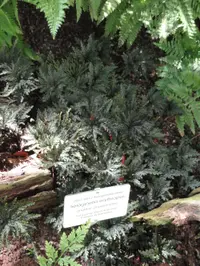
Encourage a fuller mat by gently pinning longer, trailing stems onto fresh, moist substrate under a light layer of sphagnum moss, which promotes new root formation and denser growth.

Stabilize microclimate

Keep the plant in a low-draft, stable corner away from doors, vents, and windows that open frequently, since sudden humidity and temperature shifts can cause frond tip dieback.

Bottom-watering routine

Use bottom watering in a shallow basin for 10–20 minutes to rehydrate the whole root zone evenly, especially if the upper substrate dries faster than the deeper layer.

Quarantine and inspection

When caring for Selaginella erythropus, keep new plants in a separate, humid area for 2–3 weeks and inspect the fronds and soil surface weekly to prevent introducing mites, fungus gnats, or other pests into the main collection.

Common Pests and Diseases

Fungus gnat larvae

This pest thrives in the constantly moist, organic-rich substrate that Selaginella species require, where larvae feed on fine roots and decaying matter. Symptoms include weak, stunted growth and small black adult gnats flying around the pot surface.

Solution

Allow just the top 0.5–1 cm of the mix to dry slightly between waterings while keeping deeper layers evenly moist, then apply a biological control such as Bacillus thuringiensis israelensis (BTI) or beneficial nematodes targeting larvae in the soil. Reduce decaying organic debris on the soil surface and use yellow sticky traps to monitor and reduce flying adults.

Rhizoctonia stem blight

This disease affects dense, low-growing mats, causing brown, sunken lesions at stem joints near the soil line and sudden collapse of sections of the plant. Symptoms include thinning patches, blackened stems, and tan web-like fungal growth in very humid, stagnant conditions.

Solution

Cut out all affected stems back into healthy tissue and discard them, then improve air movement around the foliage while keeping humidity high but not stagnant. Reduce overhead misting on the foliage, water at the substrate level, and if spread continues, use a targeted fungicide labeled for Rhizoctonia on ornamental foliage plants according to label directions.

Pythium root and stem rot

This disease appears in overly saturated substrates, especially in low-oxygen conditions common in terrariums or heavy mixes. Symptoms include black, mushy roots, flop-over of stems near the base, and a general wilted appearance despite wet soil.

Solution

Remove the plant from its pot, trim away all soft, blackened roots and stems, and repot into a fine-textured but well-aerated mix that still holds moisture. Adjust watering so the medium stays evenly moist but not waterlogged, increase drainage, and if a valuable specimen is affected, consider a targeted anti-oomycete treatment following label instructions.

Mealybugs

These insects exploit the tight, overlapping foliage and stems, hiding in crevices where they suck sap and excrete sticky honeydew. Symptoms include distorted new growth, a sticky feel on the foliage, and small cottony clusters at stem nodes or in the plant’s center.

Solution

Isolate the plant, then use a cotton swab dipped in isopropyl alcohol to dab visible insects, followed by a gentle rinse of the foliage to dislodge hidden pests. For persistent infestations, apply insecticidal soap or horticultural oil at low concentration, repeating every 7–10 days while closely monitoring the dense foliage mats typical for Selaginella erythropus care instructions.

Interesting Facts

Red underside adaptation

This species has bright red undersides on its leaf-like structures, which likely help capture and reflect low light back into the photosynthetic tissues in its native shaded forest floor habitats in tropical South America.

Ancient lineage lycophyte

Selaginella erythropus belongs to the lycophytes, an ancient vascular plant lineage that diverged from the ancestors of modern ferns and seed plants hundreds of millions of years ago, so it reproduces with spores instead of flowers and seeds.

Creeping mat growth

It grows as a low, creeping groundcover that forms dense mats by rooting at the nodes of its thin stems, a growth pattern that helps stabilize leaf litter and retain moisture in humid forest understories.

Botan icon

Did you know?

This species, like other Selaginella, shows a specialized form of heterospory, producing two distinct types of spores (microspores and megaspores), which represents an important evolutionary step toward the separation of male and female gametes later seen in seed plants.

FAQs about Selaginella erythropus

This species generally performs better indoors or in protected, shaded outdoor spots where humidity stays high and temperatures are stable. Direct sun, wind, and drying conditions outdoors often cause foliage scorch, browning tips, and stunted growth.

Grow Healthy Plants with Botan Care

Keep your plants happy and healthy with plant identification, disease detection, and easy care guidance.

Botan plant care app — identify plants on mobile

Explore More Plants