Elephant Ear Care (Colocasia esculenta 'Jack's Giant')

Also known as: Taro
Dariia Plaksina, Botan author
Reviewed byDariia Plaksina
Botanist

About Elephant Ear

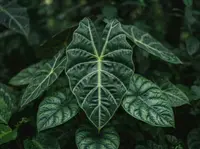
Elephant ear Colocasia esculenta 'Jack's Giant' is a fast-growing tropical perennial grown mainly for its huge, dramatic, heart-shaped leaves. It forms a bold clumping habit that creates a strong focal point in gardens or large containers.

This cultivar can reach impressive size in warm conditions and moist, rich soil, giving a lush, jungle-like effect. It originates from warm, humid regions of Asia, so it thrives in similar sheltered, frost-free settings.

Its size and strong water needs mean it suits gardeners who can provide consistent moisture and space. Understanding how to care for Elephant Ear helps keep foliage healthy and prevents stress from drought, cold, or poor soil drainage.

Main Plant Requirements

Care Difficulty

Moderate Care

Light Preference

Partial Sun

Water Requirements

Keep Soil Moist

Temperature Preference

Tropical / Frost Sensitive

Hardiness Zone

8–11

Soil Texture

Loamy, Silty, Organic-rich

Soil pH

Acidic (5.5–6.5), Slightly acidic (6.5–7.0)

Soil Drainage

Waterlogged tolerant

Fertilization

Heavy (weekly, diluted)

Get Personalized Care Plan

Scan your plant to receive care tips personalized for your specific plant

Available on iOS and Android

How to Care for the Elephant Ear

This large colocasia thrives in bright outdoor conditions with protection from harsh midday sun.

  • Provide 4–6 hours of direct morning sun with light or dappled shade from about 11 a.m. to 4 p.m. to prevent leaf scorch.
  • Tolerates partial shade, but in less than 3–4 hours of direct or strong filtered light daily, leaves may elongate and lose vigor.
  • In hot summers, increase shade during intense heat, while in cooler seasons gradually shift Elephant Ear to slightly brighter exposure.

This plant prefers consistently moist, even boggy soil, and does not tolerate drying out.

  • Aim for soil that stays evenly damp; in garden beds, the top 1–2 cm should not dry out completely between waterings.
  • Increase water in hot weather so the root zone never dries, but ensure soil or site drains enough that roots are not submerged in stagnant water.
  • Watch for underwatering signs like drooping, curling, or browning edges, and overwatering signs like sour odor, mushy stems, or yellowing lower leaves on Colocasia esculenta 'Jack's Giant'.

This colocasia grows best in warm, frost-free conditions typical of late spring through summer.

  • Ideal growth occurs at 70–85°F (21–29°C); plant outdoors once nights stay consistently above 60°F (16°C).
  • Tissue damage starts near 32°F (0°C); frost quickly collapses leaves, so lift tubers or mulch heavily if temperatures may drop below 35°F (2°C).
  • Handles short heat spikes to 95°F (35°C) if soil stays very moist, but prolonged extreme heat with dry soil can stunt growth and scorch leaves.

This plant prefers sustained high humidity for best foliage size and condition.

  • Aim for 60–80% humidity; it tolerates brief drops but prolonged air below 40% leads to leaf edge browning.
  • Dry indoor air causes curling, crispy margins, and stalled new leaves in this Elephant Ear.
  • Increase humidity with nearby humidifiers, grouped plants, or large pebble trays rather than misting, which adds only short-lived moisture.

Colocasia esculenta 'Jack's Giant' thrives in consistently moist, rich, slightly acidic to neutral soil.

  • Use a heavy, loamy mix with 40–60% organic matter such as compost and leaf mold to retain moisture.
  • Ensure slow but steady drainage; the soil should stay damp without standing water for more than a few hours.
  • Target pH around 6.0–7.0, avoiding strongly alkaline mixes that can limit nutrient availability and cause chlorosis.
  • Improve structure with coarse sand or fine bark to increase aeration while keeping the substrate moisture-retentive.

This species is suitable for container growing when the pot is chosen to support its large, top-heavy growth.

  • Select a wide, weighty container to prevent tipping as leaves enlarge and catch wind outdoors.
  • Choose a non-porous pot material, such as glazed ceramic or plastic, to slow moisture loss and maintain evenly damp soil.
  • Elevate the container slightly on pot feet so drainage holes release water freely and roots avoid sitting in runoff.

Colocasia esculenta 'Jack's Giant' is a heavy feeder that responds well to consistent, moderate nutrition during active growth.

  • Use a balanced liquid fertilizer (around 10-10-10 or 20-20-20) at 1/2 strength every 2–3 weeks in spring and summer.
  • Alternatively, apply a slow-release, balanced granular fertilizer at the start of the growing season, following label rates.
  • Supplement with rich compost or well-rotted manure as a top-dress to maintain organic matter and steady nutrients.
  • In fall and winter, when growth slows or tubers are dormant, stop feeding and resume only once new growth emerges.

Pruning for Colocasia esculenta 'Jack's Giant' focuses on maintaining vigor and removing declining foliage rather than shaping.

  • Best time for pruning is during the growing season, as individual leaves yellow or become damaged.
  • Cut yellow, torn, or diseased leaves at the base of the petiole with clean, sharp pruners to limit stress and infection.
  • Remove congested or overlapping leaves to improve airflow and light penetration, which supports healthier growth.
  • Disinfect blades between plants to reduce the spread of fungal and bacterial problems.

This large Elephant Ear benefits from timely transplanting or repotting to support rapid root and foliage growth.

  • Look for roots circling the pot, growing from drainage holes, or noticeably slowed growth as cues it needs a larger container.
  • Plan repotting or garden transplanting in spring, just before or as new shoots appear, typically every 1–2 years in containers.
  • Choose a pot 1–2 sizes larger with drainage and a rich, airy mix; handle tubers and roots gently to limit mechanical damage.
  • Water thoroughly after moving, then keep soil evenly moist and shade the plant for several days to reduce transplant shock.

Colocasia esculenta 'Jack's Giant' is most reliably propagated by division of tubers or offsets rather than seed.

  • Divide clumps in spring when new buds are visible but shoots are still short, which reduces stress.
  • Lift the root mass carefully, then separate tubers or side offsets, ensuring each division has at least one healthy growth eye.
  • Plant divisions in warm, moist, rich soil and maintain 70–80°F conditions to encourage rapid root establishment.
  • Provide bright, indirect light and consistent moisture, avoiding waterlogging, until new leaves expand strongly.

Cold sensitivity means this plant needs clear winter management in climates with freezing temperatures.

  • In zones 8–9, apply a 7–10 cm mulch layer over the root zone after frost blackens foliage to insulate tubers.
  • In colder zones, dig tubers after frost, dry them slightly, then store in barely moist peat or coco coir at 45–55°F.
  • For container plants, move pots indoors to a cool, bright, frost-free space and water very sparingly to prevent rot.
  • Remove dead, mushy tissue before storage or indoor holding to limit fungal issues over winter.

Care Tips

Sturdy staking

Install strong stakes or a low wire frame early in the season so the heavy leaves can be loosely tied for support before wind or their own weight causes tearing or stem kinks.


Moisture basin edge

When planting in the ground, create a shallow, raised soil rim 5–8 cm around the root zone so irrigation water pools and soaks in slowly instead of running off from the large leaf dripline.

Mulch for big roots

Apply 5–8 cm of coarse, organic mulch out to at least the leaf spread to keep the fibrous roots cool and moist and to reduce soil compaction from heavy foliage drip.

Container weight management

Use a wide, heavy container or add bricks or pavers at the pot base to prevent toppling, since mature plants develop tall petioles and large leaves that act like sails in wind.

Frost retreat plan

In cold climates, mark the clump outline, then in late fall lift and store the corms or heavily mulch the crown, which is an important step in caring for Elephant Ear as a tender perennial in USDA zones colder than 8.

Common Pests and Diseases

Taro leaf blight

This disease causes irregular water-soaked spots on leaves that rapidly expand, turn brown, and may develop a yellow halo with a grayish center. Symptoms include collapse of large leaf sections and a scorched appearance, especially in warm, wet weather.

Solution

Remove and discard affected leaves promptly, keeping foliage as dry as possible by watering at soil level and avoiding overhead irrigation. Improve spacing and airflow, clear plant debris around the base, and in areas with a history of blight consider preventative copper-based fungicide sprays applied according to label directions.

Pythium root and corm rot

This disease leads to soft, brown, water-soaked roots and corms, with plants wilting, yellowing, and stunting despite moist soil. Symptoms include foul odor from the root zone and plants that lodge or collapse easily under slight pressure.

Solution

Improve drainage by planting in raised beds or large containers with free-draining but moisture-retentive soil and avoid standing water around the crown. Remove and discard severely affected plants and any rotting corm pieces, then replant only into well-drained, clean soil and avoid overfertilizing, which can increase susceptibility.

Spider mites

These pests cause fine stippling, dulling, and bronzing of the large leaves, often with delicate webbing on the undersides. This pest thrives in hot, dry conditions and can cause significant leaf drop if not controlled.

Solution

Rinse leaf undersides thoroughly with a strong but gentle stream of water several times per week and increase ambient humidity around the plant. For persistent infestations, apply insecticidal soap or horticultural oil to both sides of leaves, repeating at 5–7 day intervals as needed and keeping the plant out of direct sun until foliage dries.

Aphids

These insects cluster on young stems and leaf undersides, sucking sap and causing leaf curl, distortion, and sticky honeydew that can lead to sooty mold. This pest often appears during soft, rapid growth or after heavy nitrogen fertilization.

Solution

Wash colonies off with a firm stream of water, focusing on tender new growth and leaf undersides. If populations remain, treat with insecticidal soap or neem oil, reduce excess nitrogen fertilization, and check nearby plants to prevent re-infestation, following product labels carefully as part of overall Colocasia esculenta 'Jack's Giant' care instructions.

Interesting Facts

Hybrid giant selection

This cultivar is a selected giant form of Colocasia esculenta, bred for exceptionally large leaves and vigorous growth rather than food production, unlike most taro varieties that are chosen primarily for edible corms.

Impressive leaf scale

Individual leaves of this plant commonly reach 90–120 cm long under good outdoor conditions, creating the oversized, architectural foliage effect that distinguishes it from standard elephant ear types.

Less focus on edibility

Although it belongs to a species widely grown as a root crop, this ornamental giant is not used in formal food production trials, and horticultural literature treats it primarily as a landscape foliage plant rather than a vegetable line.

Botan icon

Did you know?

This cultivar is popular in public gardens and botanical displays because a few well-grown clumps can visually anchor an entire tropical-style planting bed, allowing designers to create a dramatic canopy effect using only a small number of plants.

FAQs about Elephant Ear

Brown edges or tips usually come from low humidity, inconsistent moisture, or fertilizer burn. Dry indoor air, letting soil fully dry, or using strong fertilizer can damage leaf tissue. Trim damage and correct conditions to prevent new browning.

Grow Healthy Plants with Botan Care

Keep your plants happy and healthy with plant identification, disease detection, and easy care guidance.

Botan plant care app — identify plants on mobile

Explore More Plants