Shallow pot selection
Use a wide, shallow pot rather than a deep one to match this fern’s fibrous, surface-leaning roots and reduce the risk of waterlogged lower soil layers.

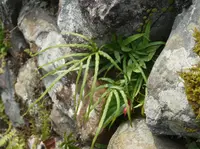
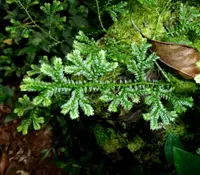
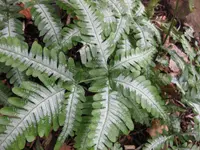
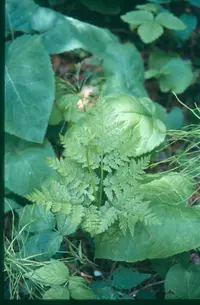
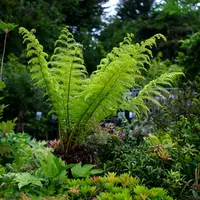
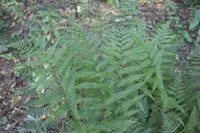
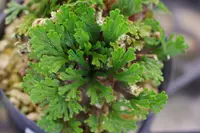
Spider brake, Pteris multifida, is a small to medium fern valued for its fine, deeply divided fronds that create a delicate, lacy texture. It forms loose clumps and often spreads slowly by short creeping rhizomes, making it suitable for pots, terrariums, and shaded outdoor spots in mild climates.
This fern is native to East Asia, where it grows in moist, shaded forest edges and rocky slopes. It tends to be moderately easy to grow if kept evenly moist, protected from harsh sun, and planted in loose, humus-rich soil, which helps owners understand how to care for spider brake with confidence.

Care Difficulty
Moderate Care

Light Preference
Bright Indirect Light

Water Requirements
Keep Soil Moist

Temperature Preference
Tropical / Frost Sensitive

Hardiness Zone
8–10

Soil Texture
Loamy, Peaty, Organic-rich

Soil pH
Acidic (5.5–6.5), Slightly acidic (6.5–7.0)

Soil Drainage
Moist but well-drained

Fertilization
Light (every 4–6 weeks)
Scan your plant to receive care tips personalized for your specific plant
Available on iOS and Android
This fern prefers bright, indirect light with protection from strong midday sun.
This fern needs consistently moist but not waterlogged soil.
This species favors mild, stable temperatures without frost or extreme heat.
This fern prefers consistently moist air and reacts quickly to dry indoor conditions.
This species needs light, airy, organic-rich soil that stays evenly moist but never waterlogged.
This fern is well suited to container growing, both indoors and in sheltered outdoor spots.
This fern benefits from light, consistent feeding during active growth for balanced Pteris multifida plant care.
Pteris multifida responds well to light, hygienic pruning that maintains a clean, fresh clump.
This fern prefers slightly snug pots but benefits from occasional repotting to refresh its root environment.
This fern is most commonly propagated by division rather than spores for reliable home results.
This fern is only moderately cold tolerant and needs thoughtful winter management in most climates.

Plant Health Check
Not sure what's wrong with your plant? Check your plant's health inside the app.
This species has narrow, finger-like frond segments that are more finely divided than many other Pteris species, giving it a distinctive, lace-like appearance often described as spider-like.
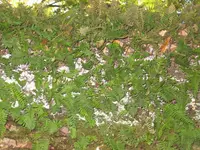
It is naturally distributed in parts of China, Japan, and Korea, typically occurring in shaded, moist habitats such as forest margins, rocky slopes, and walls.
In East Asia it has long been grown as an ornamental fern, especially in courtyard gardens and shaded containers, and this long history under cultivation has informed modern Pteris multifida plant care in nurseries and homes.
Brown leaf tips or edges usually come from low humidity, irregular watering, or excess fertilizer salts. Check that the soil stays lightly moist, use non-softened water, flush the pot occasionally, and increase humidity around the foliage.
Keep your plants happy and healthy with plant identification, disease detection, and easy care guidance.