Pteris quadriaurita Care

Pteris quadriaurita

About Pteris quadriaurita

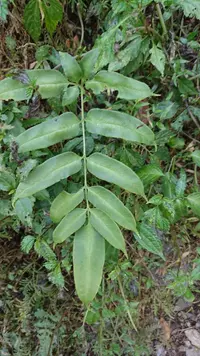
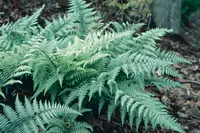
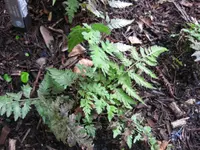
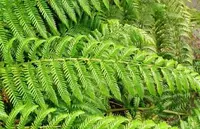
Pteris quadriaurita is a medium-sized terrestrial fern valued for its airy, arching fronds and finely divided leaflets. It forms graceful clumps that give a soft, layered look. Native to humid, shaded forests in tropical and subtropical Asia, it thrives in consistently moist, well-drained soils rich in organic matter. The plant prefers sheltered spots with indirect light and stable, mild temperatures. Its need for steady moisture and dislike of drying out make it moderately demanding compared with some common houseplants. However, once its humidity and watering needs are understood, it becomes much easier to care for Pteris quadriaurita in homes or shaded patios.

Main Plant Requirements

Care Difficulty

Moderate Care

Light Preference

Bright Indirect Light

Water Requirements

Keep Soil Moist

Temperature Preference

Tropical / Frost Sensitive

Hardiness Zone

10–11

Soil Texture

Loamy, Peaty, Organic-rich

Soil pH

Acidic (5.5–6.5), Slightly acidic (6.5–7.0)

Soil Drainage

Moist but well-drained

Fertilization

Light (every 4–6 weeks)

Get Personalized Care Plan

Scan your plant to receive care tips personalized for your specific plant

Available on iOS and Android

How to Care for the Pteris quadriaurita

This fern prefers soft, filtered light that mimics a forest floor environment.

  • Provide bright, indirect light or light shade, such as dappled light under taller plants, for about 4–6 hours per day.
  • Allow gentle morning sun in cooler climates, but protect Pteris quadriaurita from harsh midday or afternoon sun that can scorch fronds and bleach color.
  • In darker seasons, move plants slightly closer to a bright window or brighter outdoor position, avoiding any direct summer midday exposure.

This species thrives in evenly moist, never soggy, soil.

  • Water when the top 1–2 cm of soil feels slightly dry, aiming for consistently damp but not waterlogged conditions around the root zone.
  • Use free-draining, humus-rich soil so excess water can drain away; yellowing, limp fronds often indicate overwatering, while crisp, browning tips suggest underwatering.
  • In warmer months, check moisture more often, possibly every few days; in cooler seasons, allow the surface to dry a little more before watering while never letting the root ball fully dry.

This fern prefers mild, stable temperatures without extremes.

  • Aim for an optimal range of 65–80°F (18–27°C), where growth is steady and fronds stay lush and green.
  • Protect from cold; growth slows below about 55°F (13°C) and damage can occur if exposed to near-freezing temperatures, especially with wind chill or wet soil.
  • Tolerates brief heat up to around 86°F (30°C) if humidity and moisture are high, but avoid hot, dry spots near heaters or reflective surfaces, particularly in midsummer.

This fern needs consistently high humidity to maintain healthy fronds.

  • Aim for 60–80% humidity; drier air quickly browns leaflet tips and edges.
  • Tolerates brief dips to 40–50%, but prolonged dry air causes crisping, frond drop, and stalled growth in Pteris quadriaurita.
  • Increase humidity with a nearby humidifier, grouped plants, and a pebble tray under the pot rather than frequent misting.

This fern prefers a moist, airy, organic-rich mix that drains freely but never dries out completely.

  • Use a base of peat or coco coir with added compost, plus perlite and fine bark to create a loose, fibrous, humus-rich texture.
  • Ensure fast drainage so water moves through in a few seconds, leaving the mix evenly moist but not waterlogged.
  • Target a slightly acidic to neutral pH around 5.5–6.8, which supports nutrient availability and root health.
  • Avoid heavy garden soil, pure compost, or mixes that compact, as they restrict aeration and promote root rot in Pteris quadriaurita.

This species adapts well to container growing when moisture control and stability are managed carefully.

  • Choose a pot only 2–4 cm wider than the root ball to keep the mix dense enough to stay evenly moist between waterings.
  • Select a relatively deep container so the fibrous roots can spread downward, which helps the plant tolerate brief dry intervals.
  • Use a heavier material such as ceramic to stabilize the spreading fronds and reduce rapid moisture loss from the potting mix.

This fern benefits from light, consistent feeding during its active growing season.

  • Use a balanced liquid fertilizer (around 10-10-10 or 20-20-20) diluted to 25–50% strength for Pteris quadriaurita.
  • Apply every 4–6 weeks in spring and summer when growth is active.
  • Stop or reduce feeding to once in 8–10 weeks during fall and winter.
  • Rinse the potting mix with plain water every few months to prevent fertilizer salt buildup.

Pruning helps maintain neat fronds and healthy growth on this fern.

  • In late winter or early spring, remove fully brown, dead, or diseased fronds at the base with clean scissors.
  • Trim torn or yellowing frond tips back to healthy tissue to reduce stress and fungal risk for Pteris quadriaurita.
  • Thin out very crowded inner fronds to improve air flow and reduce humidity-related issues.
  • Disinfect tools with alcohol before and after use to limit disease spread.

Repotting keeps the fern vigorous and prevents root congestion in containers.

  • Check for roots circling the pot, pushing through drainage holes, or slower growth as signs it needs attention.
  • Plan to repot every 1–2 years in spring, when new fronds start to appear and recovery is fastest.
  • Choose a pot only 2–5 cm wider, with drainage holes, and use a moisture-retentive, airy mix formulated for ferns.
  • Water well before and after repotting, keep roots shaded, and avoid breaking the root ball more than necessary to limit stress for Pteris quadriaurita.

Division is the most reliable method for producing new plants from an established clump.

  • Best time is early spring, just before strong new growth begins.
  • Lift the plant from its pot and gently separate the rhizome into sections, each with several healthy fronds and roots.
  • Replant divisions into small pots with fresh, moist fern mix, keeping crowns just above the soil line.
  • Maintain high humidity, bright indirect light, and evenly moist soil until new fronds confirm successful establishment of Pteris quadriaurita.

This fern is tender and needs protection from cold conditions in most climates.

  • Pteris quadriaurita is not frost hardy and should be kept above 50°F whenever possible.
  • Move container plants indoors before night temperatures drop below 55°F.
  • Provide bright, indirect light, stable temperatures, and avoid cold drafts near windows or doors.
  • Keep soil slightly moist but reduce watering frequency as winter growth slows.

Care Tips

Use wide pots

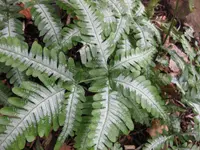
Choose a shallow, wide container to allow the creeping rhizomes to spread horizontally and fill in, rather than a deep narrow pot that wastes root space and dries unevenly.

Divide to rejuvenate

Every 2–3 years, lift the plant from its pot, gently tease apart congested rhizomes into several sections with healthy fronds and roots, and replant to maintain vigor and dense growth.

Regular frond grooming

Inspect fronds weekly and remove any yellowing, crispy, or pest-damaged fronds at the base with clean scissors to reduce disease risk and encourage new, clean growth.

Cool-down positioning

During hot spells, move the plant a few feet farther from windows, away from hot appliances, and off top shelves to avoid heat buildup that can scorch tender fronds.

Quarantine new arrivals

When adding new plants nearby, keep them in a separate area for 10–14 days and check for scale, mealybugs, or mites to protect an established specimen and support long-term Pteris quadriaurita care.

Common Pests and Diseases

Scale insects

This pest appears as small, fixed brown or tan bumps on fronds and stems, often causing yellowing and weak growth. These insects suck sap and can produce sticky honeydew on nearby surfaces.

Solution

Isolate the plant, then gently scrape or wipe off visible scale with a cotton swab dipped in 70% isopropyl alcohol, taking care not to damage the delicate fronds. Follow up with 2–3 weekly treatments of a light horticultural oil or insecticidal soap, and improve air movement and light levels to reduce reinfestation while caring for Pteris quadriaurita.

Fern aphids

These insects cluster on young fronds and undersides of leaflets, leading to distorted growth and sticky honeydew that may attract sooty mold. Symptoms include soft, weak new fronds and slowed overall growth.

Solution

Rinse the plant thoroughly under lukewarm running water, focusing on new growth and frond undersides, then let it drain well. If populations persist, apply insecticidal soap to all frond surfaces every 5–7 days for several cycles, ensuring good coverage but avoiding spraying in direct sun or on heat-stressed plants.

Spider mites

This pest thrives in dry indoor air and causes fine speckling, dull fronds, and sometimes very fine webbing along the midribs. These insects feed on frond tissue, leading to bronzing and premature frond drop if not controlled.

Solution

Increase humidity around the plant, then shower fronds with a firm but gentle stream of water to dislodge mites, repeating every few days. For heavier infestations, apply insecticidal soap or a ready-to-use miticidal spray labeled safe for ferns, treating both upper and lower frond surfaces several times to break the life cycle.

Rhizoctonia leaf blight

This disease causes irregular brown or tan lesions that start at frond bases or crowded areas, sometimes with a water-soaked edge. Symptoms include patchy dead sections on fronds that can spread rapidly in warm, humid, poorly ventilated conditions.

Solution

Remove and discard all affected fronds and any fallen plant material, and space plants so fronds dry quickly after watering or misting. Water at the base, avoid wetting foliage, increase air circulation, and, if spread continues, use a fungicide labeled for ornamental ferns applied according to the directions.

Bacterial leaf spot

This disease produces small, water-soaked translucent spots that enlarge into brown or black lesions often outlined by a yellow halo. Symptoms include scattered dead patches on fronds that can merge, giving a ragged appearance.

Solution

Promptly prune and discard affected fronds, sterilizing tools between cuts with 70% isopropyl alcohol, and avoid overhead watering to keep foliage as dry as possible. Improve airflow, reduce crowding, and if the problem is severe or persistent, use a copper-based bactericide according to label directions, monitoring new growth for clean, unspotted fronds.

Interesting Facts

Bronze-tinted new fronds

Young fronds often emerge with a bronze or coppery tint before turning green, a feature that makes this fern easy to distinguish from many other Pteris species.

Naturally cliff-dwelling

In its native range from the Himalayas through Southeast Asia, this species commonly grows on moist rock faces and banks, anchoring into crevices rather than deep soil.

Mixed chromosome patterns

Cytological studies show that this fern can occur with different ploidy levels, meaning it may have multiple sets of chromosomes, which is thought to contribute to its wide geographic distribution.

Botan icon

Did you know?

This species has become a naturalized fern in glasshouses and shaded conservatories in Europe since the 19th century, where it was widely cultivated as an ornamental foliage plant long before modern interest in Pteris quadriaurita plant care.

FAQs about Pteris quadriaurita

Brown tips or edges usually come from low humidity, underwatering, or buildup of salts from fertilizer or hard water. Increase humidity, keep the soil lightly moist, flush the pot occasionally, and avoid direct blasts from heaters or vents.

Grow Healthy Plants with Botan Care

Keep your plants happy and healthy with plant identification, disease detection, and easy care guidance.

Botan plant care app — identify plants on mobile

Explore More Plants