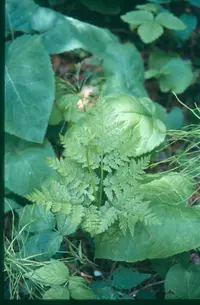
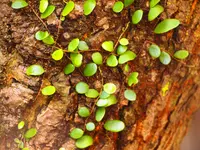
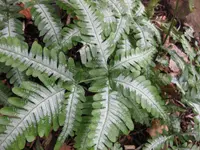
southern lady fern Care (Athyrium asplenioides)

southern lady fern

About southern lady fern

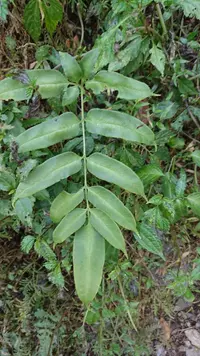
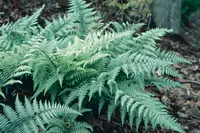
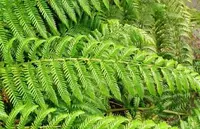
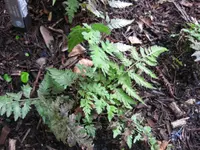
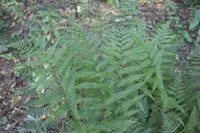
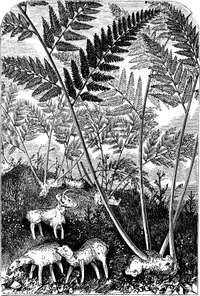
The southern lady fern, Athyrium asplenioides, is a deciduous, clumping fern valued for its finely divided, lacy fronds. It forms graceful arching tufts that give a soft, layered look in shaded plantings.

This species is native to moist woodlands and stream banks in the southeastern United States, where it grows in humus-rich, consistently damp soils. In gardens, it is considered relatively easy to grow if given shade, moisture, and protection from strong wind or hot, direct sun.

Gardeners who want to learn how to care for southern lady fern usually find it adaptable in shaded borders, naturalistic plantings, and woodland gardens, especially in cool, sheltered sites.

Main Plant Requirements

Care Difficulty

Moderate Care

Light Preference

Partial Shade

Water Requirements

Keep Soil Moist

Temperature Preference

Cold Hardy

Hardiness Zone

5–8

Soil Texture

Loamy, Silty, Organic-rich

Soil pH

Acidic (5.5–6.5), Slightly acidic (6.5–7.0)

Soil Drainage

Moist but well-drained

Fertilization

Minimal (feed rarely)

Get Personalized Care Plan

Scan your plant to receive care tips personalized for your specific plant

Available on iOS and Android

How to Care for the southern lady fern

This fern prefers cool, filtered light that mimics a woodland understory.

  • Provide bright dappled shade or open shade with 1–3 hours of gentle morning sun, avoiding strong midday and afternoon sun that can scorch fronds.
  • Site southern lady fern under deciduous trees or on the north or east side of buildings where light is filtered through foliage or structures.
  • In summer, increase shade if fronds fade or crisp; in early spring and fall, slightly brighter light is usually tolerated without damage.

This species needs consistently moist but not waterlogged soil for healthy frond growth.

  • Water when the top 2–3 cm of soil feel barely dry, aiming to keep the root zone evenly moist during the main growing season.
  • Ensure rich, humus-based soil drains freely; standing water or sticky, sour-smelling soil indicates poor drainage and a risk of root rot in Athyrium asplenioides.
  • Crisping, browning frond tips suggest underwatering or drought, while yellowing, limp fronds often point to overwatering or prolonged saturation.

This hardy fern is adapted to cool to mild outdoor temperatures with seasonal dormancy.

  • Active growth is strongest around 60–75°F (16–24°C), especially in cool, moist, shaded sites.
  • Dormant crowns typically tolerate brief drops to about -20°F (-29°C) under mulch or natural leaf cover in suitable climates.
  • In hot summers above 85°F (29°C), provide extra shade and moisture, since prolonged heat and dry winds can cause frond scorch and early dieback.

This fern prefers consistently moist air and benefits from moderately high humidity.

  • Aim for 50–70% humidity, as southern lady fern dislikes very dry rooms, especially with heating or air conditioning.
  • Brown, crisp leaflet tips or slow unfurling fronds indicate humidity stress rather than underwatering.
  • Increase humidity with a pebble tray under the pot, grouping plants together, or using a small room humidifier nearby.

This species grows best in loose, moist, humus-rich soil that drains freely but never dries out completely.

  • Use a loamy mix rich in organic matter, such as 2 parts compost or leaf mold with 1 part fine pine bark and 1 part perlite.
  • Ensure drainage is fast enough that water does not pool on the surface for more than a few minutes after watering.
  • Target slightly acidic to neutral pH, roughly 6.0–7.0, which supports nutrient availability and healthy root growth in Athyrium asplenioides.
  • Avoid heavy clay, compacted ground, or pure sand; lighten dense soils with coarse organic material and perlite to improve aeration and drainage.

This fern is suitable for container growing outdoors in shaded, cool locations.

  • Choose a pot slightly wider than the root mass but not overly deep so the mix stays evenly moist rather than waterlogged at the bottom.
  • Select thicker-walled clay or ceramic containers in windy spots to keep the foliage stable and reduce tipping.
  • Raise the pot on small feet or bricks so drainage holes stay clear and excess water exits quickly after rain or watering.

This fern grows well in humus-rich soil and needs only light feeding to stay healthy.

  • Use a balanced liquid fertilizer at 1/4–1/2 strength every 4–6 weeks during spring–summer for southern lady fern in containers.
  • In the ground, rely mainly on compost or leaf mold worked into the top 2–3 in of soil in spring.
  • Pause feeding in fall–winter when growth slows or fronds die back to avoid weak, soft growth.

Pruning Athyrium asplenioides focuses on removing old fronds rather than reshaping the plant.

  • Best time is late winter or very early spring before new croziers unfurl, or as fronds decline in late season.
  • Cut dead, yellowing, or damaged fronds at the base with clean, sharp pruners or scissors.
  • Remove crowded, diseased, or pest-infested fronds promptly to improve airflow and reduce fungal problems.
  • Light seasonal cleanup maintains a neat, arching clump without changing the fern’s natural form.

This fern is usually grown in the ground, with transplanting done only when clumps outgrow their space or soil declines.

  • Look for dense, congested crowns, bare centers, or slow growth as signs it needs lifting and division.
  • Transplant in early spring or early fall when temperatures are mild and soil is evenly moist.
  • Plan on lifting and dividing garden clumps every 3–5 years to refresh vigor and manage spread.
  • Dig widely around the root mass, replant at the same depth, and water thoroughly to limit root stress.

Division is the most reliable method for propagating Athyrium asplenioides for home gardeners.

  • Divide established clumps in early spring as new fronds emerge, or in early fall in mild climates.
  • Lift the plant carefully and separate the rhizomes into sections, each with several healthy buds and roots.
  • Replant divisions at the same depth in moist, humus-rich soil with partial shade.
  • Keep soil consistently damp and shelter new divisions from strong sun and wind until established.

This fern is cold hardy in much of its range and generally needs minimal winter care outdoors.

  • Tolerates typical frost in USDA zones where it is native, with fronds often dying back after hard freezes.
  • Leave spent fronds until late winter in colder areas to provide some crown insulation.
  • Apply a 5–7 cm layer of leaf mulch around the root zone in late fall for added protection and moisture retention.

Care Tips

Mulch For Moisture

Apply a 3–5 cm layer of fine shredded bark or leaf mold around the crowns in spring, keeping it 2–3 cm away from the stems to stabilize soil moisture and keep the shallow rhizomes cool.

Staggered Division

Divide mature clumps every 3–4 years in early spring or early fall, replanting only vigorous outer sections and discarding woody centers to maintain strong new growth and consistent frond size.

Wind And Footpath Shield

Site plants at least 30–45 cm away from paths and use low companion plants as a buffer in breezy or high-traffic areas to reduce frond breakage and mechanical damage.

Summer Stress Check

During hot, dry spells, inspect frond tips weekly for crisping or sudden collapse and trim only the truly dead fronds at the base so the plant can redirect energy into healthy tissue while growing southern lady fern.

Leaf-Litter Winter Cover

In cold climates, leave a light layer of autumn leaves over the crowns or add a loose mulch dome 5–8 cm thick after the ground cools to protect rhizomes from freeze–thaw heaving, then remove or thin it in early spring as new fronds emerge.

Common Pests and Diseases

Fern aphids

This pest feeds on tender frond tissue, especially on new growth and undersides of pinnae, causing distortion and a sticky honeydew residue. Symptoms include curling tips, stunted fronds, and sooty mold developing on the sugary deposits.

Solution

Rinse fronds thoroughly with a strong but gentle stream of water, focusing on the undersides, and repeat every few days until populations drop. For heavier infestations, use an insecticidal soap or a ready-to-use horticultural oil labeled for ferns, applied in the early morning and repeated as directed while also removing heavily distorted fronds.

Fern scale

These insects attach along frond midribs and stipes as small, flat, brown or gray bumps that do not move, slowly weakening the plant. Symptoms include yellowing fronds, poor vigor, and sticky honeydew where populations are high.

Solution

Gently scrape or wipe visible scale off stipes and midribs with a cotton pad dipped in dilute alcohol, testing a small area first to ensure the tissue is not sensitive. Follow with a thorough application of horticultural oil targeting the crawler stage, and improve plant vigor with steady moisture and shade, as stressed ferns are more prone to scale buildup.

Fern mites

These mites thrive in warm, dry, sheltered foliage and feed inside or along young fronds, leading to fine distortion that can resemble nutrient problems. Symptoms include twisted or thickened new fronds, dull foliage, and very fine webbing only visible in strong light or with magnification.

Solution

Increase humidity around the plant and rinse fronds thoroughly with lukewarm water, repeating weekly to disrupt mite populations. In severe cases, apply a miticide or sulfur-free horticultural oil labeled for mites, ensuring full coverage of emerging fronds and removing the most damaged growth to encourage healthy new foliage.

Crown rot

This disease develops in consistently wet, poorly drained soil and attacks the crown where fronds emerge, causing soft, brown, foul-smelling tissue. Symptoms include sudden collapse of whole fronds from the base and failure of new fronds to unfurl properly in spring.

Solution

Improve drainage by loosening soil with organic matter and avoid burying the crown below soil level, allowing the top of the rhizome to sit just at or slightly above the surface. Remove and discard all rotted tissue and affected fronds, reduce watering until the soil surface is just barely moist between waterings, and avoid overhead irrigation that keeps the crown wet for long periods.

Leaf spot

This disease causes small brown to black spots that may merge into irregular lesions on fronds, often starting on older or lower foliage in dense shade with poor airflow. Symptoms include premature browning and dropping of affected fronds, giving clumps a patchy, thin appearance.

Solution

Prune and dispose of affected fronds to reduce spore spread, cutting them at the base and keeping debris off the soil surface. Water at soil level rather than over the foliage, increase spacing or gentle airflow around clumps, and, if needed, use a registered fungicide labeled for ornamental ferns as a preventative spray during prolonged wet periods.

Interesting Facts

Native southern range

This fern is naturally found in moist forests and streambanks of the southeastern United States, especially from Texas and Oklahoma across to the Atlantic coastal plain and lower Midwest.

Deciduous fern habit

Unlike many evergreen ferns, this species is fully deciduous, dropping its fronds in winter and re-emerging from its underground rhizomes each spring as temperatures warm.

Moisture-loving soil preference

In the wild it typically grows in consistently damp, humus-rich soils along woodland ravines and shaded river terraces, reflecting its adaptation to stable moisture and dappled light.

FAQs about southern lady fern

Brown fronds usually result from low humidity, drought stress, or excessive sun exposure. Consistent moisture, protection from hot afternoon sun, and removing fully browned fronds at the base help restore healthier new growth over time.

Grow Healthy Plants with Botan Care

Keep your plants happy and healthy with plant identification, disease detection, and easy care guidance.

Botan plant care app — identify plants on mobile

Explore More Plants