Peace Lily Care (Spathiphyllum Sensation®)

About Peace Lily

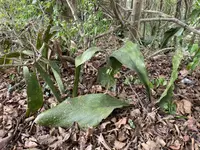
Peace lily Spathiphyllum Sensation® is a large, evergreen indoor plant grown mainly for its bold foliage and white, sail-like flowers. It is a cultivated form of Spathiphyllum, a rainforest understory plant native to tropical Central and South America.

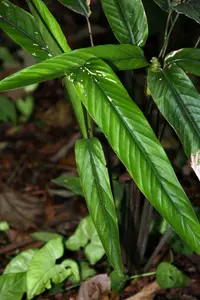
This variety forms a broad clump of tall, arching, glossy green leaves that give a strong, architectural look in living rooms and offices. Flowers rise above the foliage on sturdy stems and can appear for much of the year in good conditions.

Its tolerance of indoor light levels and forgiving nature make it suitable for many homes, as long as it is kept evenly moist in airy, organic soil. Understanding how to care for Peace Lily helps keep leaves healthy and flowering reliable.

Main Plant Requirements

Care Difficulty

Easy Care

Light Preference

Bright Indirect Light

Water Requirements

Keep Soil Moist

Temperature Preference

Tropical / Frost Sensitive

Hardiness Zone

11–12

Soil Texture

Loamy, Peaty, Organic-rich

Soil pH

Acidic (5.5–6.5), Slightly acidic (6.5–7.0)

Soil Drainage

Moist but well-drained

Fertilization

Light (every 4–6 weeks)

Get Personalized Care Plan

Scan your plant to receive care tips personalized for your specific plant

Available on iOS and Android

How to Care for the Peace Lily

Spathiphyllum Sensation® prefers bright, filtered light that mimics a forest understory.

  • Provide 6–8 hours of bright, indirect light each day, such as near an east or north window with sheer curtains or under light shade outdoors.
  • Tolerates partial to deep shade, but flowering decreases in very low light and leaves may grow thinner and darker with longer intervals between blooms.
  • Avoid direct midday and afternoon sun, which can scorch leaves; in summer move slightly farther from windows, in winter shift closer to brighter exposure.

This plant prefers evenly moist but not waterlogged soil.

  • Water when the top 2–4 cm of soil feels dry, letting water run through thoroughly, then drain excess to protect roots from rot.
  • Expect to water more often in warm, bright conditions and less in winter; drooping, thin leaves that perk up after watering suggest mild underwatering.
  • Overwatering shows as yellowing leaves and soggy soil; use a well-draining mix and ensure no standing water around Spathiphyllum Sensation®.

This tropical plant grows best in stable, warm conditions without drafts.

  • Aim for 65–80°F (18–27°C) for steady growth; short dips to 60°F (16°C) are usually tolerated but slow development.
  • Protect from cold; prolonged exposure below 55°F (13°C) can cause leaf yellowing, dark patches, and root damage, and frost can kill the plant.
  • In hot spells above 85°F (29°C), increase air movement, shade from intense sun, and monitor soil moisture so it does not fully dry between waterings.

This plant benefits from elevated humidity that mimics its tropical understory origin.

  • Aim for 50–70% humidity; leaves stay glossier and growth steadier in this range.
  • It tolerates typical indoor dry air but edges may brown and tips crisp, especially near heating or AC vents.
  • Signs of low humidity include curling, dull, or browning leaves; increase moisture with grouped plants, a pebble tray, or a small room humidifier near the Peace Lily.

Spathiphyllum Sensation® prefers a loose, airy, organic-rich substrate that stays lightly moist but never waterlogged.

  • Use a mix of roughly 2 parts peat or coco coir, 1 part compost, and 1 part perlite or fine bark to balance moisture retention and drainage.
  • Aim for slightly acidic to neutral pH around 6.0–7.0, which keeps nutrients available and reduces micronutrient lockout.
  • Ensure the mix feels springy rather than dense; if it compacts after watering, lighten it with more perlite or bark to improve aeration around roots.
  • Avoid heavy garden soil, clay-based mixes, or pots that hold standing water, as these promote root rot and slow decline.

This species is well suited to container growing due to its clumping, upright habit.

  • Choose a pot just 2–5 cm wider than the root mass to maintain even moisture without leaving a large, soggy soil zone.
  • Select a stable, heavier container for large specimens so the tall foliage canopy does not tip the pot when leaves are fully extended.
  • Use a pot material that matches your watering style, such as porous terracotta to release excess moisture or glazed ceramic to hold water slightly longer.

Spathiphyllum Sensation® benefits from modest, consistent feeding during active growth for steady foliage and flowering.

  • Use a balanced liquid fertilizer (for example 10-10-10 or 20-20-20) diluted to 25–50% strength for Peace Lily indoor care.
  • Feed every 4–6 weeks in spring and summer when growth and flowering are strongest.
  • Apply a slow-release fertilizer or light compost top-dressing in early spring for a gentle nutrient supply.
  • Stop or reduce feeding to once in 8–10 weeks in fall and winter when growth slows.

Pruning Spathiphyllum Sensation® focuses on hygiene and appearance rather than shaping a woody structure.

  • Remove yellow, brown, or damaged leaves at the base year-round to limit disease and keep the clump tidy.
  • Cut spent flower stalks down at the soil line to encourage fresh blooms and cleaner foliage.
  • Use clean, sharp scissors or hand pruners and disinfect blades before and after use.
  • Thin crowded interior leaves lightly if air circulation is poor, avoiding removal of more than 20–25% of foliage at once.

Repotting helps this large peace lily maintain healthy roots, adequate moisture, and stable growth indoors.

  • Check for roots circling the pot, pushing through drainage holes, or very slow growth as signs it needs a larger container.
  • Plan to repot every 2–3 years in spring, moving up only 2–5 cm in pot diameter to prevent soggy soil.
  • Gently loosen the root ball, trim dead or rotten roots, and replant in fresh, airy peat-free houseplant mix.
  • Water thoroughly after repotting, keep in bright indirect light, and maintain stable temperatures to reduce transplant stress.

Propagation of Spathiphyllum Sensation® is most reliable by division rather than seeds or stem cuttings.

  • Divide mature clumps in spring when repotting, selecting sections with at least 3–4 leaves and healthy roots.
  • Remove the plant from its pot, gently tease the root mass apart, and cut tough sections with a clean knife.
  • Plant each division in a snug pot with fresh, moist, well-drained mix and firm gently around the roots.
  • Keep new divisions in warm (68–80°F), bright indirect light with high humidity to support rapid root recovery.

This tropical houseplant is frost-sensitive and must stay in warm, stable indoor conditions over winter.

  • Maintain indoor temperatures around 65–75°F, never below 55°F, to prevent cold damage to foliage and roots.
  • Move any outdoor containers indoors before night temperatures drop below 60°F.
  • Keep soil slightly drier than in summer but never fully dry, and reduce fertilizing during winter months.
  • Avoid cold drafts from windows and doors, and keep leaves away from heaters that cause rapid drying.

Care Tips

Manage Leaf Size

Rotate the container by 90° every 2–3 weeks so the largest leaves do not all lean toward one side, which helps keep this heavy-foliaged plant balanced and reduces the chance of the pot tipping over.

Support Heavy Foliage

If outer leaves begin to flop, insert a low, semicircular plant support ring just inside the pot rim and gently gather leaves against it to prevent midrib creasing and mechanical damage.

Stagger Repotting Depth

When repotting, set the root ball so the crown sits just 0.5–1 cm higher than the new soil surface to reduce crown rot risk in this thick, clustered variety.

Selective Bloom Removal

As flower stalks age and turn green, cut them off at the base so the plant can redirect resources into new foliage and stronger future blooms, which is especially helpful when growing Peace Lily in low light interiors.

Dust And Inspect Routine

Every 2–4 weeks, wipe large leaves with a slightly damp, soft cloth in one direction, using the opportunity to check the undersides for early signs of scale, mites, or mealybugs so infestations are caught before they spread through the dense canopy.

Common Pests and Diseases

Fungus gnats

This pest thrives in consistently wet potting mix and is especially common in large, moisture-retentive containers used for Spathiphyllum Sensation. Adults are small black flies hovering over the soil, while larvae feed on organic matter and fine roots in the top 2–3 cm of soil.

Solution

Allow the top 3–5 cm of soil to dry between waterings, use a well-draining mix, and remove any decaying plant debris from the pot surface. Trap adults with yellow sticky cards and target larvae by drenching the soil with a biological control containing Bacillus thuringiensis israelensis (BTI) or by top-dressing with a thin layer of coarse sand to reduce egg laying.

Spider mites

These insects favor the broad, thin leaves of Sensation in warm, dry indoor air and often cause stippling, dull foliage, and fine webbing along midribs and undersides. Symptoms include slow decline, leaf edge bronzing, and speckled yellow patches that are easiest to see against backlighting.

Solution

Increase humidity around the plant, rinse both sides of the leaves under a gentle shower, and wipe with a damp cloth to remove mites and webbing. For continued issues, apply insecticidal soap or a horticultural oil to leaf undersides every 7–10 days, keeping the plant out of direct sun until leaves are dry.

Mealybugs

These insects often settle in leaf axils and along the midrib of the large leaves, leaving cotton-like white clusters and sticky honeydew on foliage. This pest can cause distorted new growth, yellowing, and gradual loss of vigor if colonies become established in dense clumps of foliage.

Solution

Isolate the plant, then dab visible insects with cotton swabs dipped in isopropyl alcohol and wipe leaf axils carefully. Follow up with 2–3 treatments of insecticidal soap or a light horticultural oil at 7–10 day intervals, inspecting leaf bases and the pot rim where mealybugs tend to hide.

Bacterial leaf spot

This disease appears as water-soaked, translucent spots on the broad leaves that later turn brown with yellow halos, often starting where water sits on the leaf surface. Symptoms include irregular lesions along leaf edges and tips, especially after overhead watering or when foliage stays wet in low airflow conditions.

Solution

Remove and discard affected leaves, sterilizing scissors between cuts, and avoid splashing water onto foliage or leaving water sitting in leaf cups. Improve air circulation, water at the soil level, and if the problem persists, apply a copper-based bactericide labeled for indoor ornamental plants, following intervals on the label.

Anthracnose leaf spot

This disease causes tan to dark brown dead patches along the midrib and margins of the large leaves, sometimes with darker borders and a papery texture. Symptoms include irregular blotches that expand under warm, humid, low-light conditions commonly used for Peace Lily indoor care.

Solution

Prune and discard all heavily spotted leaves and keep the plant drier on the foliage by watering directly into the soil. Increase spacing and airflow, avoid overcrowding with other plants, and apply a fungicide labeled for anthracnose on ornamentals if new spots continue to appear despite cultural adjustments.

Interesting Facts

Largest peace lily cultivar

This cultivar is known as one of the largest peace lilies in cultivation, often developing much broader and longer leaves than typical Spathiphyllum varieties under indoor conditions.

Architectural foliage structure

Its leaves emerge from tightly packed basal crowns, creating a naturally layered, fan-like canopy that is specifically favored in interior landscaping to provide strong vertical structure without woody stems.

Hybrid selected for interiors

It is a man-made hybrid selected by breeders for oversized foliage, strong flowering under low to medium indoor light, and tolerance of typical building environments such as offices, malls, and hotel lobbies.

Botan icon

Did you know?

Unlike many compact peace lily selections, this cultivar was specifically bred to act as a floor specimen, and mature individuals are commonly used as single focal plants in commercial atrium designs instead of being grouped in mixed planters.

FAQs about Peace Lily

Lack of blooms usually comes from low light, an oversized pot, or excess nitrogen fertilizer. Ensure bright, indirect light, moderate feeding, and slightly snug roots. Cooler nights around 60–65°F for several weeks can also trigger flowering.

Grow Healthy Plants with Botan Care

Keep your plants happy and healthy with plant identification, disease detection, and easy care guidance.

Botan plant care app — identify plants on mobile

Explore More Plants