African crabwood Care (Carapa procera)

African crabwood

About African crabwood

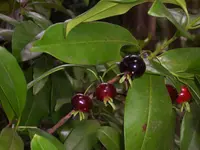
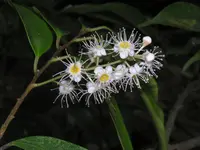
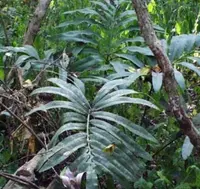
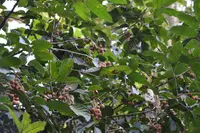
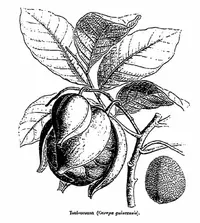
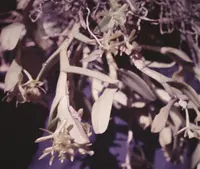
African crabwood (Carapa procera) is a tropical evergreen tree valued for its dense foliage and oil-rich seeds. It typically forms a straight trunk with a rounded, spreading crown. Leaves are dark green and glossy, giving the tree a tidy, structured look in suitable climates.

This species naturally occurs in West and Central African forests, often along rivers and in moist lowland areas. It prefers warm conditions, consistent moisture, and deep, well-drained soil.

Because it is a large tree with specific climate needs, it suits experienced growers or those in appropriate outdoor regions. Anyone planning to care for African crabwood should consider its eventual size and long-term space requirements.

Main Plant Requirements

Care Difficulty

Moderate Care

Light Preference

Partial Shade

Water Requirements

Regular Water

Temperature Preference

Tropical / Frost Sensitive

Hardiness Zone

11–12

Soil Texture

Loamy, Silty, Organic-rich

Soil pH

Acidic (5.5–6.5), Slightly acidic (6.5–7.0)

Soil Drainage

Moist but well-drained

Fertilization

Minimal (feed rarely)

Get Personalized Care Plan

Scan your plant to receive care tips personalized for your specific plant

Available on iOS and Android

How to Care for the African crabwood

This tropical tree prefers bright, filtered light that mimics open forest edges.

  • Provide 4–6 hours of bright, indirect light or light dappled shade; gentle morning sun with afternoon shade suits African crabwood best.
  • Young plants tolerate partial shade but grow slower; avoid deep shade, which leads to leggy stems, sparse canopy, and reduced seed production.
  • Protect from harsh midday sun in hot climates, which can scorch foliage; use taller trees or shade cloth to filter light, especially in the dry season.

This species prefers steadily moist but not waterlogged soil.

  • Water when the top 3–5 cm of soil feels slightly dry, aiming for evenly moist conditions rather than cycles of drought and saturation for Carapa procera.
  • In rainy seasons, rely more on natural rainfall and ensure excess water drains away; in dry seasons, increase watering frequency while still checking soil moisture first.
  • Watch for yellowing, soft leaves or foul-smelling soil as signs of overwatering; curled, browning leaf edges and slow growth usually indicate underwatering.

This tropical tree needs warm, stable temperatures to perform well.

  • Optimal growth occurs at 70–86°F (21–30°C), with consistent warmth supporting strong shoots and leaf production.
  • It tolerates short drops to about 50°F (10°C) but suffers damage below 45°F (7°C) and should be protected from any frost.
  • In hot periods above 95°F (35°C), provide extra shade and soil moisture to limit heat stress, leaf scorch, and premature leaf drop.

This species prefers moderately humid air reflecting its native tropical habitat.

  • Aim for 50–70% humidity to support healthy foliage and steady growth of African crabwood.
  • It tolerates brief dips to 40%, but prolonged dry indoor air can cause leaf-edge browning and slight curling.
  • Increase humidity with a nearby humidifier, grouping plants, or placing containers over a pebble tray with water below the pot base.

Carapa procera grows best in deep, moist, well-aerated substrates that do not stay waterlogged.

  • Use a loamy mix with high organic matter, such as 50% composted bark or leaf mold, 30% coarse sand, and 20% perlite.
  • Ensure fast drainage while retaining some moisture; water should exit the drainage holes within seconds after thorough watering.
  • Keep pH slightly acidic to neutral, roughly 6.0–7.0, to support nutrient availability and root function.
  • Avoid heavy clay, compacted, or poorly drained sites; incorporate coarse sand and perlite to improve aeration before planting.

This tree is only moderately suitable for containers and is best kept in large, stable pots when container-grown.

  • Choose a deep, heavy container that resists tipping, since developing wood and canopy can become top-heavy over time.
  • Select thick-walled clay or concrete pots to moderate root temperature swings and slow moisture loss in hot climates.
  • Raise the container slightly on pot feet so drainage holes stay clear and excess water evacuates quickly after irrigation or rain.

Carapa procera grows slowly and needs modest, targeted feeding when cultivated rather than in native forest soil.

  • Use a balanced, slow-release fertilizer (around 10-10-10) or well-rotted compost at the start of the warm growing season.
  • Apply once every 2–3 months during active growth, focusing on the root zone and avoiding direct contact with the trunk.
  • Dilute liquid feeds to 1/2–1/4 strength if used, especially for young container-grown African crabwood.
  • Stop or greatly reduce fertilization in cooler months when growth slows, to prevent weak, overly soft tissues.

Carapa procera benefits from light structural pruning to maintain a strong framework and remove problem wood.

  • Carry out pruning at the end of the dry or cool season, just before active growth resumes.
  • Remove dead, diseased, crossing, or storm-damaged branches first, using sharp, clean bypass pruners or a handsaw.
  • Thin congested inner branches to improve light penetration and air flow, encouraging healthier, balanced canopy growth.
  • Limit heading cuts on main leaders to avoid weak, multiple shoots and maintain a stable tree form.

Carapa procera is usually grown in the ground, so transplanting young trees correctly is more important than frequent repotting.

  • Shift container seedlings when roots circle the pot or growth slows, typically every 1–2 years in early warm season.
  • Transplant into a hole 2–3× wider than the root ball, using well-drained soil and firm but gentle backfilling.
  • Keep the original root-ball level with surrounding soil, avoiding deep planting that may reduce oxygen to roots.
  • Water thoroughly after planting, then maintain even moisture and light shade for several weeks to reduce transplant shock.

Carapa procera is most reliably propagated from seeds, which need fresh, viable material and warm conditions.

  • Collect mature seeds and sow soon after harvest, as viability drops in storage.
  • Sow in a deep tray or pots with well-drained, slightly rich substrate and keep at 75–85°F.
  • Maintain steady moisture without waterlogging, and provide bright, indirect light for germination and seedling growth.
  • Transplant seedlings carefully once they form several true leaves, keeping the taproot as undisturbed as possible.

Carapa procera is a tropical species that does not tolerate frost and needs protection in cooler climates.

  • Grow in the ground only in frost-free areas; elsewhere keep in large containers for mobility.
  • Before the first frost, move container plants indoors or into a heated greenhouse with temperatures above 50°F.
  • Mulch the root zone with 5–8 cm of organic material in marginal climates to buffer short cool spells.
  • Avoid cold, wet soils and chilly drafts indoors, which can cause root decline and leaf drop.

Care Tips

Deep root training

In the first 2–3 years, water less frequently but in larger volumes to encourage a deep taproot, which improves drought resilience and long-term stability when growing African crabwood outdoors or in large containers.

Early structural pruning

While the tree is under 2–3 m tall, remove or shorten competing leaders and very low branches annually to establish a single strong trunk and a balanced crown that will better handle wind and canopy weight.

Windbreak establishment

In exposed sites, use temporary shade cloth, fencing, or a line of faster-growing nurse plants on the windward side for the first 3–5 years to reduce wind stress and prevent trunk bending or breakage.

Mulch for root protection

Maintain a 5–8 cm ring of coarse organic mulch around the root zone, kept 5–8 cm away from the trunk, to stabilize soil temperature, reduce weed competition, and protect fine feeder roots from drying out.

Seedling shade management

For young seedlings or saplings, provide 30–50% shade using shade cloth or light understory cover, then gradually reduce shade over 1–2 seasons to harden plants to higher light without leaf scorch.

Common Pests and Diseases

Bark-boring beetles

This pest tunnels into stems and branches, causing galleries in the wood, frass at entry holes, canopy thinning, and dieback of affected limbs.

Solution

Prune and destroy infested branches, then improve tree vigor through proper watering and mulching to help it compartmentalize damage; for high-value trees, a certified arborist may apply trunk or soil systemic insecticides timed to adult flight periods, following local regulations for growing African crabwood.

Defoliating caterpillars

These insects feed on young Carapa leaves and flushes, leading to skeletonized foliage, ragged leaf edges, and in severe cases near-complete defoliation of new growth.

Solution

Hand-pick and destroy visible larvae on small trees, encourage natural predators such as birds, and, where pressure is high, use targeted biological products containing Bacillus thuringiensis (Bt) on young foliage, applying in the late afternoon and repeating as needed according to label directions.

Fruit-boring larvae

This pest attacks developing capsules, boring into fruits and feeding on seeds, which results in premature fruit drop, exit holes, and contaminated seed lots used for oil or propagation.

Solution

Collect and destroy fallen and visibly damaged fruits, avoid leaving infested seed piles near trees, and consider using fine-mesh bagging on selected fruits or seed-production trees to physically exclude adult moths or beetles that lay eggs on the capsules.

Leaf spot fungi

This disease produces small brown to dark purplish lesions on leaf blades that may merge into larger dead patches, sometimes causing early leaf drop during humid periods.

Solution

Rake up and remove fallen leaves, increase light and air movement around the canopy by careful pruning, avoid overhead irrigation that wets foliage for long periods, and in nursery or high-value settings use a broad-spectrum fungicide labeled for ornamental trees, rotating active ingredients if repeated treatments are needed.

Stem canker

This disease causes sunken, cracked, or discolored patches on stems and branches, sometimes exuding dark sap and leading to dieback beyond the infected area.

Solution

Cut out affected sections well below visible symptoms with clean, sharp tools, disinfect pruning equipment between cuts, and reduce plant stress by maintaining balanced soil moisture and avoiding trunk injuries; in plantation or nursery production, remove and destroy severely affected young plants to limit spread.

Interesting Facts

Seed oil chemistry

The seeds of this West African tree are unusually rich in limonoids, a group of bitter triterpenoid compounds also found in neem, and these contribute to the oil’s documented insect-repellent and antiparasitic properties in agricultural and veterinary contexts.

Moist forest specialist

This species is naturally associated with humid, semi-evergreen to evergreen forests of West and Central Africa, where it occurs at low densities and often forms part of the mid-canopy layer rather than the tallest emergent trees.

Traditional soap source

In several West African regions, the fat extracted from its seeds has long been used in artisanal soap-making, where the naturally occurring surface-active compounds help create a stable lather and improve cleansing performance.

Botan icon

Did you know?

Carapa procera is one of the key wild host plants for certain populations of the African mahogany shoot borer moth Hypsipyla robusta, an important forest pest whose larvae tunnel into shoots and fruits, influencing both natural regeneration patterns and the success of nearby mahogany plantations.

FAQs about African crabwood

This tree has a moderate growth rate. In favorable tropical or subtropical conditions, young plants may add about 30–60 cm of height per year, slowing as they mature into a medium to large canopy tree.

Grow Healthy Plants with Botan Care

Keep your plants happy and healthy with plant identification, disease detection, and easy care guidance.

Botan plant care app — identify plants on mobile

Explore More Plants