Establish wind protection
In exposed sites, plant a temporary nurse row of fast-growing shrubs or install windbreak netting on the windward side for the first 2–3 years to reduce leaf desiccation and mechanical damage to young shoots.

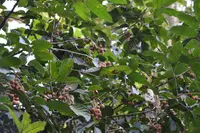
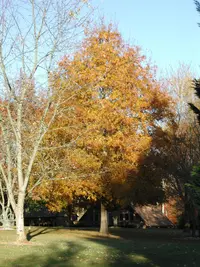
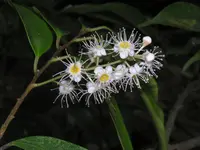
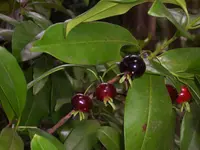
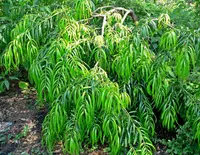
Alcanfor, Protium pittieri, is an evergreen tree from tropical Central and South America, often found in humid forests. It develops a straight trunk, dense canopy, and aromatic resin-bearing bark. Leaves are usually glossy and medium-sized, giving the tree a neat, structured look suitable for larger tropical gardens or specialty collections. In cultivation, it prefers consistently warm conditions, high humidity, and well-drained, organic-rich soil. It is not a beginner tree, since it resents cold, dry air, and prolonged drought. Gardeners who care for alcanfor successfully usually provide sheltered, bright conditions and stable moisture similar to its natural forest habitat.

Care Difficulty
Moderate Care

Light Preference
Partial Shade

Water Requirements
Moderate Water

Temperature Preference
Tropical / Frost Sensitive

Hardiness Zone
11–12

Soil Texture
Loamy, Sandy, Organic-rich

Soil pH
Acidic (5.5–6.5), Slightly acidic (6.5–7.0)

Soil Drainage
Moist but well-drained

Fertilization
Minimal (feed rarely)
Scan your plant to receive care tips personalized for your specific plant
Available on iOS and Android
This tropical tree prefers bright, filtered light similar to an open, humid forest edge.
This species prefers consistently moist but not saturated soil, similar to its native tropical forest habitat.
This tropical tree thrives in warm, stable conditions without exposure to frost.
This rainforest tree prefers consistently moist air and reacts to very dry indoor conditions.
Protium pittieri prefers deep, aerated, moisture-retentive but free-draining soil.
This species can be grown in large containers when space or climate limits in-ground planting.
Protium pittieri grows steadily in fertile soil and benefits from light, balanced feeding in cultivation.
Protium pittieri responds well to light structural pruning to maintain a healthy canopy.
This tree is usually field-grown, so care focuses on transplanting young specimens rather than frequent repotting.
Propagation of Protium pittieri is possible but slower and typically done by seed in professional settings.
This tropical tree is not frost tolerant and needs protection in regions with cool winters.

Plant Health Check
Not sure what's wrong with your plant? Check your plant's health inside the app.
This species is native to premontane and montane cloud forests of Costa Rica and western Panama, where it grows in moist, cool habitats rather than lowland rainforests typical of many other Protium species.
Trees often host ant colonies in cavities within older branches, and these ants help protect leaves and young shoots from herbivorous insects, forming a defensive mutualism in its native forest.
The bark contains well-developed resin canals that produce a fragrant, sticky exudate, a characteristic feature of the Burseraceae family used by botanists to help identify this species in the field.

Protium pittieri is considered locally important in some Central American montane forests as a mid-canopy tree that produces small, fleshy fruits eaten by birds, which in turn disperse its seeds over long distances and help maintain genetic connectivity between isolated cloud forest patches.
This tree has a moderate growth rate. Young plants may add around 20–40 cm per year in suitable tropical or subtropical climates, slowing slightly with age. Nutrient-rich soil and consistent moisture support stronger trunk and canopy development.
Keep your plants happy and healthy with plant identification, disease detection, and easy care guidance.