Upright Yellowwood Care (Podocarpus latifolius)

Also known as: Real Yellowwood, True Yellowwood, Broad-leaved Yellowwood, Rough-Barked Yellow Wood, Broad Leaved Yellow Wood
Upright Yellowwood

About Upright Yellowwood

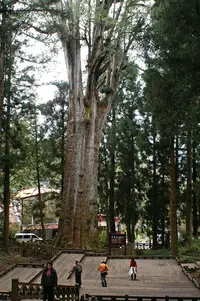
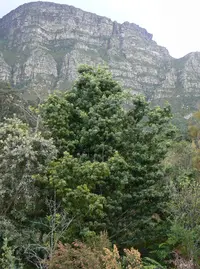
Upright yellowwood, Podocarpus latifolius, is an evergreen coniferous tree native to montane forests of southern and eastern Africa. In nature it can become a tall, straight tree with a dense, narrow crown.

The foliage is made of flat, strap-shaped leaves arranged in neat rows along smooth branches, giving a clean, architectural look. Bark on older trees becomes scaly and grey-brown, adding visual interest in landscapes.

This species grows slowly to moderately and tolerates pruning, so it can be shaped for hedges, screens, or container specimens. It is generally considered resilient once established, but young plants need protection from severe cold and drying winds.

To care for Upright Yellowwood, provide well-drained soil, regular but not excessive moisture, and bright light with some protection from harsh, drying conditions.

Main Plant Requirements

Care Difficulty

Moderate Care

Light Preference

Full Sun

Water Requirements

Moderate Water

Temperature Preference

Warm Climate

Hardiness Zone

9–11

Soil Texture

Sandy, Loamy, Organic-rich

Soil pH

Acidic (5.5–6.5), Slightly acidic (6.5–7.0)

Soil Drainage

Well-drained

Fertilization

Minimal (feed rarely)

Get Personalized Care Plan

Scan your plant to receive care tips personalized for your specific plant

Available on iOS and Android

How to Care for the Upright Yellowwood

This species prefers bright outdoor exposure with some protection from harsh midday sun.

  • Provide 4–6 hours of direct morning sun with light or dappled shade in the afternoon for balanced growth when caring for Upright Yellowwood.
  • Tolerates light to medium partial shade, but in deep shade foliage becomes sparse, growth slows, and branches may lean toward brighter areas.
  • In hot summers, protect from intense sun between 12–4 pm to prevent leaf scorch, and in winter ensure at least 3–4 hours of unobstructed light to maintain dense foliage.

Podocarpus latifolius prefers consistently moist but not waterlogged soil.

  • Before watering, let the top 3–5 cm of soil dry; soil below should feel slightly cool and moist, not soggy or dusty-dry.
  • Use deep, infrequent watering so moisture reaches the root zone, and ensure fast drainage so water does not stand around the base or in planting holes.
  • In hot, dry periods, monitor more often for dull, folding leaves or dry twig tips, while yellowing leaves and soft stems usually indicate overwatering or poor drainage.

This tree grows best in mild, frost-free climates with moderate seasonal variation.

  • Optimal growth occurs around 65–80°F (18–27°C), with steady temperatures supporting dense foliage and even extension growth.
  • Mature plants tolerate brief drops to about 25–28°F (-4 to -2°C), but repeated hard frosts can damage young shoots and thin bark.
  • Handles summer heat up to about 90–95°F (32–35°C) if soil moisture is maintained, yet prolonged extremes above this or hot, drying winds can cause leaf tip browning and stress.

This species handles a fairly wide humidity range and usually does well in typical indoor air.

  • Aim for 40–60% humidity; it tolerates brief drops lower without major stress.
  • Dry air may cause browning at needle tips and increased shedding, especially on Upright Yellowwood grown indoors.
  • Increase humidity by grouping plants, placing the pot on a pebble tray with water below the pot base, or running a nearby humidifier.

Podocarpus latifolius prefers loose, well-drained mineral-based soil that does not stay wet for long.

  • Use a mix such as 50–60% loam or all-purpose potting mix, 20–30% coarse sand, and 20–30% fine bark or perlite to keep the structure open.
  • Ensure water drains through quickly; the mix should feel moist but never heavy, sticky, or waterlogged after thorough watering.
  • Target slightly acidic to neutral pH around 6.0–7.0, avoiding strongly alkaline substrates that can reduce nutrient availability and cause leaf yellowing.
  • Improve aeration and drainage by using coarse sand or fine gravel near the bottom of large containers instead of water-retentive materials like peat-only mixes.

This species is well-suited to container growing when given a stable, well-drained setup.

  • Choose a deep, heavy pot to counter its upright, woody growth so wind or accidental bumps are less likely to tip it over.
  • Select a container material like thick ceramic or concrete if outdoor placement in sunny, breezy areas demands extra stability and slower moisture loss.
  • Elevate the pot slightly on feet or blocks so drainage holes never sit in standing water and roots remain oxygenated.

Podocarpus latifolius responds well to moderate feeding but tolerates low-fertility soils once established.

  • Use a balanced slow-release fertilizer (for example 10-10-10) or well-rotted compost in spring for Upright Yellowwood.
  • Feed container plants every 6–8 weeks during the growing season at 1/2 label strength.
  • For in-ground trees, a single spring application is usually enough if growth is satisfactory.
  • Reduce or stop fertilizing in fall and winter to avoid soft, frost-sensitive growth.

Podocarpus latifolius accepts shaping and light structural pruning without losing its natural form.

  • Carry out main pruning in late winter or early spring before active growth starts.
  • Remove dead, diseased, crossing, or inward-growing branches first to maintain a healthy framework.
  • Use clean, sharp bypass pruners or loppers, making cuts just above a bud or side branch.
  • Shorten or thin crowded tips to control height and encourage denser, tidier foliage.

This species grows slowly and dislikes frequent root disturbance, so transplant only when necessary.

  • Look for roots circling the pot, water running straight through, or stalled growth as signs a container Podocarpus latifolius needs more space.
  • Plan major transplanting for late winter or early spring when temperatures are mild.
  • For containers, move up 1 pot size every 3–4 years, using a free-draining mix with some organic matter.
  • Handle the root ball gently, loosen only the outer roots, water thoroughly, and shade lightly for 1–2 weeks to reduce stress.

Podocarpus latifolius is most often propagated from semi-hardwood cuttings, with seed used mainly for larger-scale growing.

  • Take semi-hardwood cuttings in late summer, 8–12 cm long, from healthy, non-flowering shoots.
  • Remove lower needles, dip the base in rooting hormone, and place in a coarse, well-drained medium such as sand-perlite mix.
  • Maintain bottom warmth around 70–75°F, high humidity, and bright, indirect light for several weeks.
  • Sow fresh seed in a gritty mix, keep evenly moist, and expect slow, sometimes irregular germination.

This tree is moderately cold tolerant but young or container-grown plants benefit from some winter preparation.

  • In regions colder than its rated hardiness, site selection and shelter from strong winter winds are important.
  • Apply a 5–8 cm mulch layer over the root zone, keeping it slightly away from the trunk to limit rot.
  • Wrap young stems with breathable horticultural fleece during hard frosts, especially in exposed gardens.
  • Move container plants into a frost-free, bright location and water sparingly while soil remains cool.

Care Tips

Root flare check

When planting or repotting, locate the root flare and keep it level with or slightly above the soil surface to prevent bark rot and encourage a stable, tapering trunk.

Wind-hardening routine

If moving a young plant outdoors, gradually expose it to light wind over 2–3 weeks or use a small fan on low for a few hours a day to build stronger stems and reduce breakage.

Trunk training support

Use a single, loose stake placed slightly upwind and tie the trunk with soft, flexible ties in a figure-eight pattern to guide upright growth without rubbing or girdling the bark.

Mulch management

Apply a 5–8 cm ring of coarse mulch, keeping it 5–8 cm away from the trunk, to stabilize soil moisture, moderate root temperature, and reduce competition from turf or weeds.

Salt and spray protection

In coastal or roadside sites with salt exposure, install a low windbreak hedge or permeable barrier on the windward side to reduce salt spray on foliage and support long-term health when growing Upright Yellowwood.

Common Pests and Diseases

Scale insects

This pest feeds on sap and often appears as small, brown or gray bumps on stems and the undersides of leaves. Symptoms include sticky honeydew, sooty mold growth, and general decline in vigor.

Solution

Prune and discard heavily infested twigs, then wipe or gently scrub remaining scale with a soft cloth or brush dipped in insecticidal soap or a 70% isopropyl alcohol solution. For larger trees or persistent problems, use a targeted systemic insecticide labeled for woody ornamentals and monitor new growth regularly as part of ongoing Podocarpus latifolius care.

Podocarpus aphid

This pest forms dense colonies on soft shoots, causing curled or distorted new growth and exuding honeydew that can lead to black sooty mold. Ants are often present, attracted to the sugary secretions.

Solution

Spray new growth thoroughly with a strong stream of water to dislodge colonies, then apply insecticidal soap or a horticultural oil, making sure to cover shoot tips and leaf undersides. Reduce excessive nitrogen fertilization that encourages very soft growth and repeat treatments every 7–10 days until populations drop and new flushes appear clean.

Podocarpus leaf blight

This disease causes tan to brown spots or blighted patches on needles, sometimes with a yellow halo, leading to thinning foliage and twig dieback in humid or poorly ventilated conditions. Symptoms include progressive browning from inner, shaded branches outward.

Solution

Remove and discard all blighted foliage and dead twigs, and clear fallen debris from around the base to reduce fungal spores. Improve light and airflow by thinning crowded branches, avoid overhead watering, and where needed apply a copper-based or other labeled ornamental fungicide to new growth during warm, humid periods.

Phomopsis tip blight

This disease attacks young shoots, causing needle browning at the tips that moves inward, with small black fungal fruiting bodies sometimes visible on dead tissue. Symptoms include dieback of soft new growth while older foliage often remains green for some time.

Solution

Prune 10–15 cm below visibly affected areas during dry weather and dispose of all infected material away from the planting site. Avoid heavy late-summer fertilization that stimulates very soft growth, keep foliage as dry as possible, and if the problem recurs, protect emerging shoots in spring with a labeled ornamental fungicide applied according to package directions.

Interesting Facts

Relict of ancient forests

This species is a typical component of southern African Afromontane forests, representing a lineage of conifers that has persisted since the time of the Gondwana supercontinent.

Dioecious cone bearer

Individual trees are either male or female, producing separate pollen and seed cones; the fleshy, berry-like seed structures are actually modified cones that attract birds for seed dispersal.

Tall, long‑lived canopy tree

In its native habitat, this species can form part of the upper forest canopy, reaching substantial heights over many decades and contributing to long-term forest structure and shade.

Botan icon

Did you know?

In parts of South Africa, very old individuals of this species are protected within indigenous forest reserves, where their growth rings and stature provide valuable data for studying long-term climate and forest dynamics.

FAQs about Upright Yellowwood

Growth is typically slow to moderate. Young trees may add 15–30 cm per year under good conditions, increasing somewhat with age. In cooler or drier sites, growth is noticeably slower, so patience is essential when establishing this species.

Grow Healthy Plants with Botan Care

Keep your plants happy and healthy with plant identification, disease detection, and easy care guidance.

Botan plant care app — identify plants on mobile

Explore More Plants