Arizona cypress Care (Hesperocyparis arizonica)

Arizona cypress

About Arizona cypress

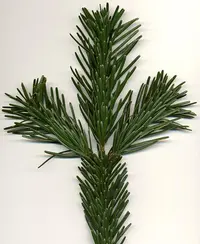
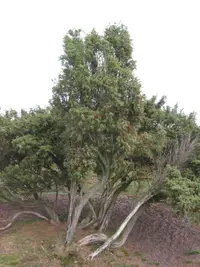
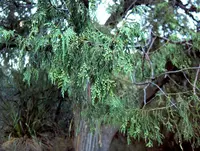
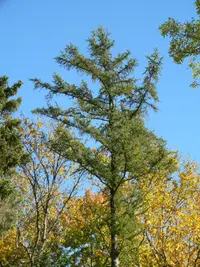
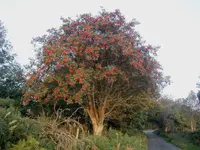
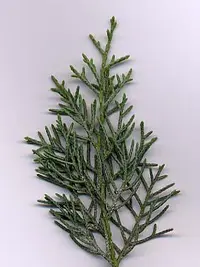
Arizona cypress, Hesperocyparis arizonica, is an evergreen conifer known for its dense, pyramidal form and fine, aromatic foliage in blue-green to silvery tones. It develops a single straight trunk with fibrous, reddish-brown bark and can form an effective windbreak or screen in open landscapes.

This species is native to dry, rocky slopes and canyons of the southwestern United States and northern Mexico, so it is adapted to heat, sun, and seasonal drought. Once established, it is relatively low maintenance, but young trees need good drainage and protection from prolonged soggy soil.

Gardeners who want to care for Arizona cypress should provide a sunny, open site with well-drained soil and avoid heavy, frequent watering that keeps the root zone constantly wet.

Main Plant Requirements

Care Difficulty

Easy Care

Light Preference

Full Sun

Water Requirements

Low Water

Temperature Preference

Cold Hardy

Hardiness Zone

7–9

Soil Texture

Sandy, Loamy, Rocky

Soil pH

Slightly acidic (6.5–7.0), Slightly alkaline (7.0–7.5)

Soil Drainage

Well-drained

Fertilization

Minimal (feed rarely)

Get Personalized Care Plan

Scan your plant to receive care tips personalized for your specific plant

Available on iOS and Android

How to Care for the Arizona cypress

This conifer prefers strong light and thrives in open, exposed sites.

  • Provide full sun for 6–8 hours daily; Arizona cypress grows densest foliage and best color in unobstructed light.
  • Tolerates light partial shade, especially in hot climates, but too much shade leads to sparse growth and thinner, duller foliage.
  • In very hot regions, some protection from intense late-afternoon sun on young plants reduces foliage scorch and transplant stress.

This drought-tolerant conifer needs infrequent but deep watering once established.

  • Allow soil to dry several cm down between waterings; check by inserting a finger or small probe near the root zone.
  • During the first 1–2 growing seasons, water deeply when the top 5–8 cm of soil are dry; reduce frequency once roots are established.
  • Use sharply drained soil; signs of overwatering include yellowing, tip dieback, and sour-smelling soil, while underwatering shows browning, crispy tips.

This species is adapted to hot summers and cold, dry winters.

  • Optimal growth occurs around 65–85°F (18–29°C), with best vigor in climates that offer warm days and cooler nights.
  • Mature trees tolerate brief drops near 0°F (−18°C); young plants benefit from protection when temperatures fall below 10–15°F (−12–9°C).
  • Handles dry heat above 95°F (35°C) if soil is not waterlogged, but extended periods above 105°F (41°C) increase stress and may cause foliage bronzing.

This species tolerates low atmospheric moisture and usually does not need special humidity management.

This species prefers sharply drained, mineral-based soils that do not stay wet.

  • Use sandy or gravelly loam with 20–40% coarse sand or grit to prevent water retention around the roots.
  • Aim for slightly acidic to neutral pH around 6.0–7.5, avoiding strongly acidic or alkaline extremes.
  • In heavy native soil, create a raised mound by blending existing soil with crushed gravel and a small amount of compost for structure, not richness.
  • Avoid dense clay, peat-heavy mixes, or spots where water pools after rain, as these promote root rot in Hesperocyparis arizonica.

This species can be grown in containers for several years, especially when young, if the pot is managed carefully for drainage and stability.

  • Choose a deep, wide container that allows an extensive root system to spread without circling tightly, which helps maintain long-term vigor.
  • Use a heavy, stable pot or add weight at the base to counteract wind, since the tall, narrow crown becomes top-heavy outdoors.
  • Fill the container with a coarse, fast-draining mix containing bark chips and grit so water moves quickly away from the root collar.

This drought-tolerant conifer needs modest feeding, especially in poor or very sandy soils.

  • Apply a balanced slow-release fertilizer (for example 10-10-10) in early spring at label rates around the drip line.
  • Use a light top-dressing of compost once a year to improve soil structure and long-term nutrient supply.
  • Skip summer feeding in very hot, dry periods to avoid root stress on Arizona cypress.
  • Do not fertilize in late fall or winter; excess nitrogen then can trigger tender growth vulnerable to cold.

Hesperocyparis arizonica benefits from light, well-timed pruning to maintain structure and health.

  • Carry out main pruning in late winter or very early spring before new growth starts.
  • Remove dead, diseased, crossing, or storm-damaged branches with clean, sharp bypass pruners or loppers.
  • Limit cuts to green, leafy shoots; avoid cutting back into old bare wood that rarely resprouts.
  • Use selective thinning rather than shearing to preserve the natural conical form and stable branch structure.

Arizona cypress is usually grown in the ground but young trees may start in containers before transplanting.

  • Transplant in late winter or early spring while the tree is dormant and soil is workable.
  • Look for circling roots, cramped containers, or stunted growth as signs a potted plant needs a larger space.
  • Move into a hole 2–3× wider than the root ball, keeping the root flare at soil level in well-drained ground.
  • Water deeply after planting, then maintain consistent moisture for the first growing season to limit transplant shock.

New Hesperocyparis arizonica plants are most often raised from semi-hardwood cuttings or seed.

  • Take semi-hardwood cuttings in late summer, 8–12 cm long, from healthy non-flowering shoots.
  • Strip lower foliage, dip the base in rooting hormone, and place in a sharply drained, slightly moist medium.
  • Provide bright indirect light, 65–75°F temperatures, and high humidity to encourage root formation.
  • Sow fresh seed in fall or winter outdoors, allowing natural cold stratification before spring germination.

Established Arizona cypress trees are generally cold hardy and need minimal winter attention in most temperate regions.

  • In zones near the species hardiness limit, add 5–8 cm of mulch over the root zone, keeping it off the trunk.
  • Water thoroughly before the ground freezes if autumn has been dry to reduce winter desiccation.
  • Shelter young or container plants from severe wind using windbreaks or by placing them in a protected spot.

Care Tips

Wind-hardening young trees

Stake only very young or freshly planted trees loosely and for no more than 1–2 years so the trunk can flex in the wind and develop strong taper and anchoring roots.

Salt and road protection

In cold regions, site trees at least 6–8 ft back from salted roads or use a low barrier during winter to reduce salt spray burn on foliage and soil salt buildup.

Trunk flare preservation

When mulching, keep mulch pulled back 5–8 cm from the trunk so the root flare stays visible and dry, which helps prevent bark rot and girdling roots over time.

Canopy spacing strategy

Plan at planting for a mature spread of at least 3–4 m between trees so lower branches receive enough light and airflow, reducing dieback and fungal issues as they age.

Drought conditioning schedule

After the first establishment year, gradually extend the interval between deep irrigations instead of providing frequent shallow water, which trains roots to grow deeper and improves long-term drought tolerance when growing Arizona cypress.

Common Pests and Diseases

Coryneum canker

This disease causes sunken, reddish-brown cankers on young stems and branches, often leading to dieback above the infected area. Symptoms include twig death, resin exudation, and thinning of the canopy, especially on stressed trees.

Solution

Prune out infected twigs and branches 10–15 cm below visible cankers during dry weather and dispose of them away from the site. Reduce stress with deep, infrequent watering in drought, avoid wounding the bark, and improve air circulation; in high-value landscape trees, local extension services may recommend targeted fungicide sprays when new growth emerges.

Seiridium canker

This disease produces elongated, dark cankers on stems and branches, often with copious resin flow and rapid dieback of individual limbs. Symptoms include scattered brown branches in the crown while the rest of the tree appears green.

Solution

Remove and destroy affected branches back to healthy wood, disinfecting pruning tools between cuts. Maintain tree vigor with proper irrigation, avoid mechanical damage, and in areas with recurrent problems consider replacing severely affected specimens rather than repeated heavy pruning as part of long-term Hesperocyparis arizonica care instructions.

Cypress aphids

These insects feed on sap of young shoots, causing yellowing, needle distortion, and sticky honeydew that can lead to sooty mold on foliage and nearby surfaces. Colonies often cluster along stems and may attract ants.

Solution

Spray infested branches with a strong stream of water to dislodge aphids, then treat remaining colonies with insecticidal soap or a light horticultural oil, coating stems and undersides of foliage. Reduce nitrogen-heavy fertilization that promotes soft, lush growth and monitor regularly, treating early before populations build up.

Cypress bark beetles

These insects tunnel under the bark, disrupting water flow and causing sudden browning and death of branches or entire trees, especially during drought. Symptoms include small round exit holes and reddish boring dust at the base or in bark crevices.

Solution

Promptly remove and dispose of heavily infested or dead trees to reduce beetle breeding sites. Keep trees healthy with consistent deep watering during prolonged dry periods, avoid trunk injuries, and consult local forestry or extension services about timing and suitability of preventive trunk sprays for high-risk plantings.

Spider mites

These pests feed on foliage, causing fine stippling, dull gray-green needles, and eventual bronzing or browning, often accompanied by fine webbing between branchlets. Damage is more severe in hot, dry, dusty conditions or where trees grow near reflective surfaces.

Solution

Rinse foliage thoroughly with water, paying attention to inner branches, and repeat several times over 1–2 weeks to lower mite numbers. If needed, apply a horticultural oil or miticidal soap labeled for conifers, and improve growing conditions by reducing dust, ensuring adequate irrigation, and avoiding unnecessary broad-spectrum insecticides that kill natural predators.

Interesting Facts

Taxonomic identity shift

This species was long treated as Cupressus arizonica but genetic studies using DNA sequencing showed it belongs in a separate North American lineage, now classified as Hesperocyparis arizonica.

Adapted to dry mountains

It is naturally restricted to scattered, rocky canyons and slopes in the southwestern United States and northern Mexico, where it tolerates low rainfall, high light, and large temperature swings better than many other conifers.

Chemically defended foliage

The bluish scale-like leaves contain aromatic resins and essential oils that help reduce herbivory and limit water loss, which is important for Hesperocyparis arizonica care instructions in arid landscapes.

Botan icon

Did you know?

Some natural populations of this species are considered conservation priorities because they are geographically isolated and occur in small stands, making them vulnerable to habitat disturbance and altered fire regimes.

FAQs about Arizona cypress

Container growth is possible for smaller specimens, especially dwarf or juvenile trees. Use a large, heavy pot with excellent drainage and expect more frequent watering. Root pruning or eventual planting out is usually needed as it matures.

Grow Healthy Plants with Botan Care

Keep your plants happy and healthy with plant identification, disease detection, and easy care guidance.

Botan plant care app — identify plants on mobile

Explore More Plants