Monterey cypress Care (Hesperocyparis macrocarpa)

Monterey cypress

About Monterey cypress

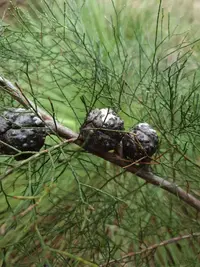
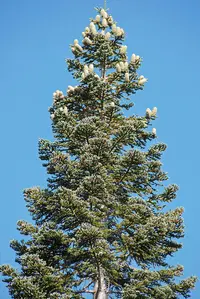
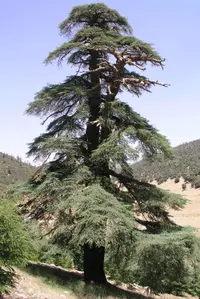
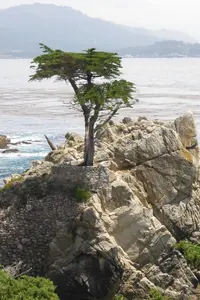
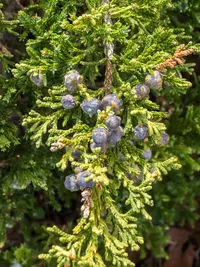
Monterey cypress, Hesperocyparis macrocarpa, is an evergreen conifer tree known for its dense foliage, twisting trunks, and distinctive windswept look. It naturally occurs along the central coast of California, where it endures strong ocean winds and salty air.

In gardens it is often used as a windbreak, screen, or large specimen tree, and can also be maintained in large containers when young. It grows fast and needs regular shaping if a formal outline is desired.

This species prefers full sun, well-drained soil, and consistent but not excessive moisture, and it resents waterlogged conditions. Once the basic needs are understood, it is relatively straightforward to care for Monterey cypress.

Main Plant Requirements

Care Difficulty

Moderate Care

Light Preference

Full Sun

Water Requirements

Moderate Water

Temperature Preference

Cold Hardy

Hardiness Zone

7–10

Soil Texture

Sandy, Loamy, Rocky

Soil pH

Acidic (5.5–6.5), Slightly acidic (6.5–7.0)

Soil Drainage

Well-drained

Fertilization

Minimal (feed rarely)

Get Personalized Care Plan

Scan your plant to receive care tips personalized for your specific plant

Available on iOS and Android

How to Care for the Monterey cypress

This coastal conifer performs best in strong light with long daily sun exposure.

  • Provide 6–8 hours of direct sun daily; full sun promotes dense foliage and compact form in Monterey cypress.
  • Tolerates light afternoon shade, especially in hotter inland areas, but too much shade causes sparse, open growth and reduced vigor.
  • In the first 1–2 years, avoid intense reflected heat from walls or pavement that can scorch young needles, especially during midsummer afternoons.

This species prefers evenly moist but never waterlogged soil once established in the landscape.

  • Water when the top 3–5 cm of soil feels dry; deep, infrequent soakings encourage a strong root system in Hesperocyparis macrocarpa.
  • In the first 2–3 growing seasons, monitor weekly during dry periods; established trees may only need supplemental water during prolonged drought.
  • Watch for yellowing, soft foliage and persistent wet soil as signs of overwatering, and browning tips or needle drop as indicators of underwatering or severe dryness.

This conifer is adapted to mild coastal climates with cool summers and frost-tolerant winters.

  • Optimal growth occurs around 50–70°F (10–21°C), with good tolerance up to about 80°F (27°C) in areas with some air movement.
  • Mature trees typically tolerate down to about 15–20°F (-9 to -6°C); young plants need protection from sudden, hard freezes.
  • Extended heat above 90°F (32°C), especially with hot, dry winds, can stress foliage, so combine good soil moisture and mulch to reduce temperature swings.

This species handles a wide humidity range and usually does not need special humidity management outdoors.

  • Target 40–60% humidity for container plants kept on sheltered patios or balconies.
  • Dry air is generally tolerated, but extended exposure to hot, dry winds can cause browning and tip dieback.
  • Increase local humidity slightly for potted Monterey cypress by grouping plants or placing trays of water and stones nearby in very arid climates.

Hesperocyparis macrocarpa prefers fast-draining, slightly sandy soil that prevents waterlogging.

  • Use a mix of roughly 50–70% sandy or loamy mineral soil with 30–50% coarse materials such as pine bark, perlite, or pumice to keep the structure open.
  • Aim for a slightly acidic to neutral pH around 6.0–7.5, avoiding strongly acidic or alkaline substrates that can limit nutrient uptake.
  • Ensure rapid drainage by avoiding heavy clay, peat-heavy, or compacted mixes that stay wet for more than 1–2 days after watering.
  • Improve aeration and root health by incorporating coarse sand or fine gravel and avoiding fine silt that clogs pore spaces.

This conifer can be grown in containers for several years if managed carefully for stability and root space.

  • Choose a deep, heavy container so the tall, wind-sensitive plant remains stable and does not tip over easily.
  • Select a pot material such as thick ceramic or concrete that moderates temperature swings and slows moisture loss around the root zone.
  • Ensure generously sized drainage holes and elevate the pot slightly so excess water escapes freely and does not pool under the base.

This coastal conifer grows best in moderately fertile, well-drained soil and usually needs only light feeding in cultivation.

  • Use a balanced slow-release fertilizer (around 10-10-10) or a thin layer of compost in early spring for established Monterey cypress.
  • Feed once per year in the growing season, skipping fertilization in poor, dry native-type soils that already support steady growth.
  • Dilute liquid balanced NPK to 1/2 strength for container plants, applying to moist soil to avoid root burn.
  • Stop feeding in late summer and avoid winter applications to prevent soft, frost-prone growth.

Pruning helps maintain structure and density in Hesperocyparis macrocarpa without forcing harsh shape changes.

  • Time any shaping or thinning for late winter to early spring before active growth begins.
  • Remove dead, diseased, or storm-damaged wood first, cutting back to healthy tissue with clean bypass pruners or a sharp saw.
  • Thin crowded interior branches lightly to improve airflow and light penetration while preserving the natural outline.
  • Avoid cutting back into old, brown, leafless wood, as these older cypress stems rarely re-sprout.

This species is more often transplanted in the landscape than repotted long term in containers.

  • Look for circling roots, water running straight through, or stalled growth as signs a container plant needs a larger pot or ground planting.
  • Plan transplanting for late winter to early spring, when soil is workable and before strong new growth starts.
  • Expect young plants to need up-potting or planting out every 1–3 years, using a deep, sharply drained, slightly acidic to neutral soil mix.
  • Water thoroughly before and after moving, keep the root ball intact, and shade or shelter the tree for 1–2 weeks to reduce transplant shock.

Hesperocyparis macrocarpa is most often propagated by semi-hardwood cuttings or from seed in controlled conditions.

  • Take semi-hardwood cuttings in late summer, 8–12 cm long, from healthy non-flowering tips.
  • Remove lower foliage, dip the base in a rooting hormone, and insert into a free-draining mix of coarse sand and peat or fine bark.
  • Maintain high humidity and bright, indirect light with bottom warmth around 70–75°F to encourage rooting over several weeks to months.
  • Sow fresh seed in fall to early spring, using a cold stratification step if needed and a gritty, well-drained seed mix.

Outdoor plants in suitable climates are fairly cold hardy and usually need only minimal winter care.

  • Mature trees tolerate light to moderate frosts but can suffer in prolonged freezes, especially in exposed sites.
  • Apply a 5–8 cm mulch layer around the root zone, keeping it off the trunk, to moderate soil temperature and moisture swings.
  • For container plants, move pots to a sheltered, unheated but frost-free spot or against a south-facing wall to reduce root freezing risk.

Care Tips

Wind exposure planning

Site young trees where they receive good air movement but are shielded from the strongest prevailing winds with a fence or taller, sturdier plants, reducing the risk of windthrow and trunk bending as they establish.

Single-leader training

Select and lightly stake one strong central leader early, then remove or shorten competing upright shoots annually to maintain a stable, wind-resistant structure.

Salt spray management

In coastal sites exposed to salt-laden winds, periodically hose foliage with fresh water during dry spells to reduce salt buildup and leaf burn, doing this in the morning so foliage dries quickly.

Mulch for root moderation

Apply a 5–8 cm ring of coarse organic mulch kept a few cm away from the trunk to buffer root temperatures, conserve moisture, and reduce soil compaction around the shallow root system.

Crowding and airflow

When growing Monterey cypress in groups or hedges, maintain generous spacing and thin out congested interior branches so light and air can reach inner foliage, which helps reduce fungal disease pressure over time.

Common Pests and Diseases

Coryneum canker

This disease causes sunken, reddish-brown cankers on stems and branches that can girdle and kill affected parts, often with resin oozing from lesions. Symptoms include dieback of branch tips and thinning foliage, especially in stressed trees near the coast or in landscapes with poor air movement.

Solution

Prune out infected branches 10–15 cm below visible cankers during dry weather, disinfecting tools between cuts, and dispose of prunings away from the site. Reduce stress by avoiding overhead irrigation on foliage, improving air circulation around the canopy, and maintaining moderate, consistent soil moisture without waterlogging to support overall Hesperocyparis macrocarpa plant care.

Seiridium canker

This disease produces elongated, sunken cankers on twigs and branches, often with resin flow and sudden browning of entire branch sections. Symptoms include scattered dead branches in the canopy and progressive dieback, particularly in trees under drought or heat stress.

Solution

Remove and destroy infected branches as soon as they are noticed, cutting well below the canker margin and sterilizing pruning tools between cuts. Improve tree vigor by providing deep but infrequent watering during dry periods, applying a light mulch to moderate soil temperature, and avoiding excess nitrogen fertilization that promotes weak, susceptible growth.

Cypress aphids

These insects feed on sap from young shoots, causing yellowing, distortion, and eventual browning of foliage, often starting on inner branches. This pest also excretes honeydew, which can lead to sooty mold and attract ants.

Solution

Inspect young shoots regularly and, at early infestation, dislodge aphids with a firm stream of water or prune heavily infested tips. For persistent populations, use horticultural soap or a light horticultural oil, applied thoroughly to cover stems and foliage, and encourage natural predators by reducing broad-spectrum insecticide use nearby.

Cypress bark beetles

These insects bore into weakened stems and branches, creating galleries under the bark that disrupt water flow and cause sudden dieback or death of affected portions. Symptoms include small round exit holes, resin bleeding, and patchy browning of foliage, often following drought or mechanical damage.

Solution

Remove and promptly dispose of heavily infested branches or trees to reduce local beetle populations, and avoid storing cut cypress wood nearby. Focus on prevention by maintaining tree vigor through appropriate watering, avoiding bark injury, and not overpruning, since stressed Monterey cypress is far more attractive to bark beetles.

Cypress tip moth

These insects have larvae that tunnel into new shoots, causing browning and dieback of branch tips and a ragged appearance of the outer canopy. Symptoms include flagging of young growth and small, frass-filled entry holes at shoot tips.

Solution

Prune and discard affected shoot tips during late winter or early spring before new generations develop, and monitor new growth regularly for fresh damage. In high-pressure areas, targeted use of Bacillus thuringiensis (Bt) on young larvae, timed to local moth activity, can help reduce damage while minimizing impact on beneficial insects involved in growing Monterey cypress.

Interesting Facts

Naturally tiny native range

In the wild this species is native only to a very small stretch of the central California coast near Monterey and Carmel, making its original distribution one of the most restricted of any commonly planted conifer.

Fog-dependent moisture capture

Along the Pacific coast it intercepts coastal fog with its dense foliage, allowing water droplets to condense and drip to the soil, so the tree gains significant moisture from fog in addition to rainfall.

Wind-sculpted crown shapes

On exposed coastal cliffs it often develops dramatically one-sided or flattened crowns, a direct response to constant strong ocean winds and salt spray rather than genetics alone.

Botan icon

Did you know?

This species has become naturalized and invasive in several regions outside its native California range, including parts of coastal New Zealand and South Africa, where dense self-sown stands can displace local coastal vegetation.

FAQs about Monterey cypress

Brown foliage usually results from underwatering, excess heat or wind, root damage, or salt exposure. Check soil moisture, mulch the root zone, protect from harsh wind, and trim out dead sections to slow further decline.

Grow Healthy Plants with Botan Care

Keep your plants happy and healthy with plant identification, disease detection, and easy care guidance.

Botan plant care app — identify plants on mobile

Explore More Plants