Morinda Spruce Care (Picea smithiana)

Also known as: West Himalayan Spruce, Indian Spruce
Morinda Spruce

About Morinda Spruce

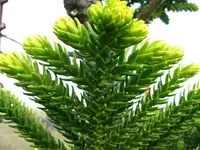
Morinda spruce, Picea smithiana, is a large, evergreen conifer known for its long, hanging branchlets and slender, pointed needles. It forms a tall, pyramidal crown that becomes more open with age.

This species is native to the western Himalayas, where it grows in cool, high-altitude forests. In cultivation it is used mainly as a landscape or park tree in cooler climates.

Growth is relatively fast in suitable conditions but it needs space, consistent moisture, and cold winters, so it is not ideal for small gardens or hot regions. Understanding how to care for Morinda Spruce starts with providing cool conditions, well-drained but moist soil, and full sun in suitable climates.

Main Plant Requirements

Care Difficulty

Moderate Care

Light Preference

Full Sun

Water Requirements

Moderate Water

Temperature Preference

Cold Hardy

Hardiness Zone

7–9

Soil Texture

Sandy, Loamy, Clay

Soil pH

Acidic (5.5–6.5)

Soil Drainage

Moist but well-drained

Fertilization

Minimal (feed rarely)

Get Personalized Care Plan

Scan your plant to receive care tips personalized for your specific plant

Available on iOS and Android

How to Care for the Morinda Spruce

This high-altitude conifer thrives in cool, bright outdoor sites with consistent sun exposure.

  • Provide 6–8 hours of direct sun daily; morning to early afternoon sun is ideal for strong, dense growth in Morinda Spruce.
  • Allow light, open shade in the hottest part of the afternoon, especially in warmer zones, to reduce needle scorch and stress.
  • Avoid planting where nearby trees or buildings will cast deep shade; sparse foliage and elongated, weak shoots indicate insufficient light.

This species prefers evenly moist, cool soil but does not tolerate standing water.

  • In the first 2–3 years after planting, water when the top 3–5 cm of soil feels dry, applying a slow, deep soak to reach the root zone.
  • In established trees, rely mostly on rainfall and supplement only during extended dry spells or heat waves when soil dries more than 5–8 cm deep.
  • Use free-draining, slightly acidic soil; yellowing needles, soft shoots, or a sour smell indicate overwatering, while browning tips and needle drop suggest underwatering in Picea smithiana.

This cold-hardy conifer is adapted to cool to cold climates with distinct seasons.

  • Optimal growth occurs around 45–70°F (7–21°C), typical of cool-summer, mountain or northern climates.
  • Mature trees tolerate winter lows near -20°F (-29°C) with no protection, but young plants benefit from shelter from harsh, drying winds.
  • Heat tolerance is moderate; prolonged periods above 85°F (29°C) can stress the tree, so provide mulch, consistent soil moisture, and avoid heat-reflecting surfaces nearby.

Humidity plays a minor role for Picea smithiana, which is adapted to cool, relatively moist air.

  • Aim for 40–60% humidity; the tree copes with brief dips but prefers steady, moderate moisture in the air.
  • Dry indoor air combined with warmth can cause browning needle tips and increased spider mite activity on Morinda Spruce.
  • Increase humidity outdoors by mulching the root zone and grouping plants; avoid misting foliage in warm conditions to reduce fungal risk.

Soil for Picea smithiana must drain freely yet retain steady moisture around the root zone.

  • Use a deep, loamy mix with 40–60% mineral material (sand or grit) and modest organic content to avoid waterlogging.
  • Target slightly acidic to neutral pH around 5.5–7.0, which supports nutrient uptake and root health.
  • Improve drainage and aeration by blending coarse sand or fine gravel plus pine bark chips into heavy or compacted native soil.
  • Avoid poorly drained clay basins, peat-heavy mixes that stay wet, and sites where meltwater or irrigation collects for long periods.

This species is only moderately suitable for long-term container growing, mainly when kept small or juvenile.

  • Select a tall, heavy container to counter the tree’s eventual height and prevent tipping in strong winds.
  • Choose thick-walled clay or concrete pots to slow moisture loss yet provide stability for the developing root system.
  • Raise the container on feet so drainage holes stay clear and excess water leaves quickly after rain or irrigation.

This conifer grows well in average soil and needs only light, targeted feeding for healthy growth.

  • Use a balanced slow-release fertilizer (around 10-10-10) or well-rotted compost applied in early spring around the drip line.
  • Feed once each spring in cool, moist soil; avoid mid-summer and late-season applications to prevent soft, frost-tender growth.
  • Apply at half the label rate for trees, keeping granules off the trunk and needles to avoid burn.
  • Stop feeding Morinda Spruce by late summer and do not fertilize in winter, when the tree is dormant.

Pruning Picea smithiana is minimal and focuses on maintaining structure and removing problem growth.

  • Carry out light pruning in late winter or very early spring before new growth starts.
  • Remove only dead, diseased, crossing, or storm-damaged branches, cutting back to just outside the branch collar.
  • Avoid cutting into old, bare wood, as new buds form only on younger, green shoots.
  • Use clean, sharp bypass pruners or a pruning saw, making smooth cuts that preserve the natural pyramidal form.

This species is usually grown in the ground, so focus on careful transplanting rather than frequent repotting.

  • Transplant young trees in early spring or early fall, when temperatures are mild and soil is moist but not waterlogged.
  • Look for roots circling the container, water stress, or very slow growth as signs a container-grown tree needs a larger pot or planting site.
  • Move up only 1–2 pot sizes or into a well-drained in-ground hole, keeping the root flare at soil level and backfilling with native soil.
  • Reduce root stress by watering deeply before and after transplanting, handling the root ball gently, and applying a 5–8 cm mulch ring, kept away from the trunk.

Propagation of Picea smithiana is possible but slow and usually done by seed or semi-hardwood cuttings under controlled conditions.

  • Collect ripe cones in late summer to early fall, extract seeds, and cold-stratify them in moist medium at 34–41°F for 6–10 weeks.
  • Sow stratified seeds in a free-draining, sterile mix, keep lightly moist, and provide bright, indirect light with cool temperatures.
  • Take semi-hardwood cuttings in late summer, dip bases in rooting hormone, and insert into a sharply draining, slightly acidic medium.
  • Maintain high humidity and good air movement around cuttings, using bottom heat around 68–72°F to encourage slow but steady rooting.

This cold-hardy conifer tolerates typical winters in much of its growing range, but young or container plants benefit from some protection.

  • Mulch the root zone with a 5–8 cm layer of bark or wood chips, keeping it a few cm away from the trunk to moderate soil temperature.
  • Water well before the ground freezes, especially in dry fall weather, to reduce winter desiccation stress.
  • Shelter young trees from harsh wind with a temporary screen, and move container plants into a sheltered, unheated but frost-free area if local lows are extreme.

Care Tips

Stake Young Leaders

On windy or exposed sites, loosely stake the central leader of young trees for 2–3 years to keep it straight and prevent wind rock that can distort the characteristic weeping form.


Maintain Deep Mulch

Apply a 5–8 cm ring of coarse organic mulch outside the root flare and refresh it annually to keep roots cool, conserve moisture, and reduce soil compaction around the shallow feeder roots.

Winter Wind Protection

In harsh, drying winter winds, use windbreak fabric on the windward side or plant in the lee of buildings or taller trees to reduce needle desiccation and browning on exposed branches.

Check Graft Unions

If the tree is grafted, inspect the graft union yearly for cracks, swelling, or suckers from the rootstock and remove any rootstock shoots promptly to preserve the desired canopy traits when caring for Morinda Spruce.

Encourage Tapered Trunk

Avoid permanent staking beyond establishment and allow moderate movement in the stem so the trunk develops natural taper and strength, which reduces the risk of breakage as the tree matures.

Common Pests and Diseases

Spruce aphids

These insects feed on needles, causing yellowing, thinning foliage, and premature needle drop, especially on inner and lower branches.

Solution

Monitor undersides of needles in late winter and early spring, then spray with a strong jet of water to dislodge colonies and apply a horticultural soap or light horticultural oil labeled for conifers; maintain good irrigation and avoid high nitrogen fertilization to reduce susceptibility when caring for Morinda Spruce.

Spruce gall adelgids

These insects induce cone-like galls on young shoots, which distort new growth and can stunt branch tips on susceptible trees.

Solution

Inspect new growth in spring and prune out and destroy green galls before adelgids emerge; for heavy infestations, use a labeled systemic or contact insecticide timed to early spring bud swell, and avoid stressing the tree through drought or soil compaction.

Rhizosphaera needle cast

This disease causes purple to brown discoloration and loss of older needles, often starting on lower, shaded branches and moving upward over several years.

Solution

Improve air circulation by spacing and judicious pruning, avoid overhead watering, remove and discard heavily infected branches, and apply a copper-based or chlorothalonil fungicide in spring as new needles emerge and again 3–4 weeks later if local guidance recommends it.

Cytospora canker

This disease produces sunken cankers and resin exudation on branches, leading to progressive dieback starting on lower limbs of mature or stressed trees.

Solution

Prune out infected branches during dry weather, cutting several cm into healthy wood and disinfecting tools between cuts; reduce plant stress with proper watering, mulching, and avoiding trunk wounds, since fungicides are usually ineffective once cankers are established.

Spruce spider mites

This pest feeds on needle sap, causing fine speckling, dull or bronzed foliage, and fine webbing on inner branches, often during cool seasons.

Solution

Confirm presence by tapping branches over white paper, then use a strong water spray to knock mites off and apply horticultural oil or a specific miticide if needed; reduce heat and water stress and avoid broad-spectrum insecticides that kill natural predators.

Interesting Facts

Himalayan valley specialist

This species is native to steep, moist valleys of the western Himalayas, often forming pure stands along river gorges where snowmelt and monsoon patterns keep soils cool and continuously moist.

Exceptionally long hanging cones

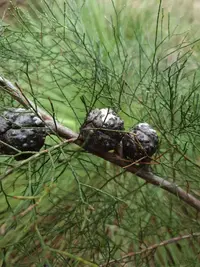
Its seed cones are unusually long for a spruce, often 15–25 cm and very slender, hanging decoratively from the branches and helping distinguish it from other mountain conifers in its native range.

Flexible drooping branchlets

The tree shows strongly pendent, thread-like branchlets that bend under heavy snow loads, a mechanical adaptation that helps shed snow and reduce branch breakage in high-elevation winters.

Botan icon

Did you know?

In its native Himalayan range, this spruce can reach over 45 m in height with a tall, narrow crown, making it one of the most imposing conifers of mid- to high-altitude river valleys and a prominent component of local montane forest structure.

FAQs about Morinda Spruce

Growth is moderate for a mountain conifer. Young trees often add 30–60 cm per year under good conditions, slowing as they age. Poor soil, drought, root disturbance, and competition for light all reduce annual extension growth.

Grow Healthy Plants with Botan Care

Keep your plants happy and healthy with plant identification, disease detection, and easy care guidance.

Botan plant care app — identify plants on mobile

Explore More Plants