Shelterbelt Positioning
Plant Himalayan maple in a spot lightly sheltered by taller trees or buildings to reduce wind scorch on its evergreen foliage, especially in exposed or high-altitude gardens.

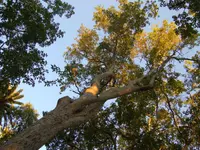
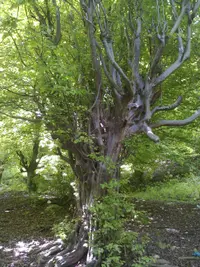
Himalayan maple (Acer oblongum) is an evergreen to semi-evergreen maple tree, valued for its smooth gray bark and elongated, soft green leaves. It forms a graceful, medium-sized canopy with a light, airy look rather than a dense crown.
This species occurs naturally in the Himalayan region and neighboring parts of Asia, typically in mild, moist mountain forests. It is generally considered a moderate-care tree, as it prefers consistent moisture, good drainage, and protection from extreme cold or heat.
Gardeners who want to learn how to care for Himalayan Maple should note its preference for bright light, evenly moist soil, and a sheltered position away from harsh drying winds.

Care Difficulty
Moderate Care

Light Preference
Partial Shade

Water Requirements
Regular Water

Temperature Preference
Tropical / Frost Sensitive

Hardiness Zone
9–11

Soil Texture
Loamy, Sandy, Organic-rich

Soil pH
Acidic (5.5–6.5), Slightly acidic (6.5–7.0)

Soil Drainage
Moist but well-drained

Fertilization
Minimal (feed rarely)
Scan your plant to receive care tips personalized for your specific plant
Available on iOS and Android
Acer oblongum prefers bright, gentle light that avoids harsh summer extremes.
Acer oblongum prefers evenly moist, well-drained soil rather than extremes of wet or dry.
This maple grows best in mild, frost-free climates with moderate seasonal variation.
This species prefers moderate humidity but usually adapts to typical outdoor air in temperate climates.
Acer oblongum grows best in moist, well-structured soil that holds water yet drains freely.
This maple can be grown in large containers for some years if given ample root space and stable conditions.
Acer oblongum grows steadily with modest feeding rather than heavy fertilization.
Pruning Acer oblongum helps maintain structure and clearance while keeping the canopy healthy.
This maple is usually grown in the ground, so focus on careful transplanting rather than frequent repotting.
Propagation of Acer oblongum is possible but often treated as a longer-term project rather than a fast method to increase stock.
This species is only moderately cold tolerant and benefits from basic winter preparation in cooler climates.

Plant Health Check
Not sure what's wrong with your plant? Check your plant's health inside the app.
Unlike most maples from temperate regions, this species is evergreen to semi-evergreen in mild climates, holding its foliage through winter rather than showing a strong autumn color display.
Its leaves are typically narrow, elongated, and often shallowly lobed or even unlobed, which makes them easy to distinguish from the more deeply lobed leaves of familiar garden maples.
In its native range from the Himalayas to southern China, this tree often grows along warm, moist river valleys and lower mountain slopes, tolerating higher winter temperatures and humidity than many other maple species, which is important to understand for Acer oblongum care.

The seeds of this species, like other maples, are winged samaras, but in Acer oblongum they tend to be relatively slender with almost horizontally spreading wings, an adaptation that helps disperse them efficiently through the still, humid air of sheltered river valleys and forest edges in its native range.
This species is usually evergreen or semi-evergreen in mild climates, holding most foliage through winter. In colder areas it may behave partly deciduous, dropping more leaves after frost but generally retaining a softer, green canopy for much of the year.
Keep your plants happy and healthy with plant identification, disease detection, and easy care guidance.