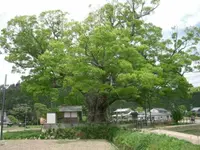
Oriental Spruce Care (Picea orientalis)

Also known as: Caucasian Spruce, eastern spruce
Oriental Spruce

About Oriental Spruce

Oriental spruce, Picea orientalis, is an evergreen conifer tree valued for its dense foliage and slow, compact growth. It keeps its needles year-round, giving steady structure and color. The tree usually forms a narrow pyramidal crown with short, glossy dark green needles and small, attractive cones. In landscapes it often serves as a specimen tree or part of mixed conifer plantings. Picea orientalis is native to the mountains of northeastern Turkey and the Caucasus, where it experiences cool, moist conditions. It is generally hardy and long-lived but dislikes very hot, dry sites and compacted, poorly drained soil. Gardeners who learn how to care for Oriental Spruce usually find it reliable when planted in suitable light and evenly moist, well-drained soil.

Main Plant Requirements

Care Difficulty

Moderate Care

Light Preference

Full Sun

Water Requirements

Moderate Water

Temperature Preference

Cold Hardy

Hardiness Zone

4–7

Soil Texture

Loamy, Sandy, Clay

Soil pH

Acidic (5.5–6.5)

Soil Drainage

Moist but well-drained

Fertilization

Minimal (feed rarely)

Get Personalized Care Plan

Scan your plant to receive care tips personalized for your specific plant

Available on iOS and Android

How to Care for the Oriental Spruce

This species prefers cool, bright outdoor conditions with consistent light exposure.

  • Provide 6–8 hours of direct sun daily, ideally with morning sun and some light afternoon shade in hotter regions to reduce needle scorch.
  • Tolerates light to moderate partial shade, but dense shade leads to sparse growth, longer internodes, and duller needles on Oriental Spruce.
  • In hot summers, protect young trees from intense late-afternoon sun using neighboring plants or structures, especially on exposed south- or west-facing sites.

Watering should support steady growth without leaving the root zone saturated.

  • For in-ground trees, water deeply when the top 5–8 cm of soil feels dry, aiming for a slow soak that moistens the top 20–30 cm of soil.
  • Reduce frequency in cool, rainy seasons and increase in hot, dry periods, always checking soil moisture instead of following a fixed schedule for Picea orientalis.
  • Watch for overwatering signs such as persistent soggy soil, yellowing inner needles, and root odor, or underwatering signs like drooping, brittle tips, and dry soil cracks.

This conifer thrives in cool to cold climates with cold winters and moderate summers.

  • Optimal growing temperatures range around 55–75°F (13–24°C), with best needle quality in cooler summers and good air movement.
  • Mature trees tolerate lows near -20°F (-29°C) or colder once established, while young plants benefit from shelter from drying winter winds and sudden cold snaps.
  • Heat tolerance is moderate; sustained 90°F (32°C) and above can stress needles, so ensure mulch, adequate soil moisture, and some afternoon shade during extreme heat waves.

This species prefers cool, moderately moist air but usually adapts to 30–60% humidity outdoors.

  • Tolerates relatively dry air if soil moisture is consistent, but prolonged hot, dry winds increase stress.
  • Watch for browning needle tips and premature needle drop as signs of low-humidity or drying wind damage.
  • Increase local humidity slightly by using windbreaks, mulching the root zone, and avoiding reflected heat surfaces near Oriental Spruce.

This conifer grows best in deep, moist, well-drained mineral soils with stable structure.

  • Use a loamy or sandy-loam base with moderate organic matter to balance moisture retention and aeration.
  • Aim for slightly acidic to neutral pH around 5.5–7.0; avoid strongly alkaline or compacted ground.
  • In planting areas, mix in compost and coarse sand or fine gravel to improve structure and drainage on heavier soils.
  • Avoid waterlogged, shallow, or highly disturbed substrates, which promote root rot and limit long-term Picea orientalis care.

This species can be grown in containers for many years, but it remains a long-term, space-demanding tree.

  • Select a tall, heavy container that prevents tipping as the plant gains height and develops a dense crown.
  • Choose thick-walled or insulated pots to buffer root temperature swings on exposed patios or balconies.
  • Use an extra-deep pot to accommodate the developing root system and reduce rapid drying of the lower root zone.

This conifer grows best with modest feeding that supports steady, not rapid, growth.

  • Apply a balanced slow-release fertilizer (around 10-10-10) in early spring at label rates, lightly worked into the soil surface.
  • Avoid high-nitrogen lawn fertilizers near Oriental Spruce to prevent excessively soft, disease-prone growth.
  • Do not feed again until the following spring; lawn runoff usually supplies enough nutrients in many gardens.
  • Stop fertilizing by late summer and never feed in winter dormancy to avoid forcing tender late-season growth.

Picea orientalis needs only light, careful pruning to maintain health and natural form.

  • Carry out any pruning in late winter to very early spring, before new growth starts.
  • Remove only dead, diseased, or storm-damaged wood, cutting back to a healthy lateral branch or the trunk.
  • Thin crowded interior twigs very lightly if airflow is poor, but avoid cutting back into bare, old wood.
  • Use clean, sharp bypass pruners or a pruning saw, making small, precise cuts that preserve the pyramidal outline.

This species is usually grown in the ground, so focus on thoughtful transplanting rather than frequent repotting.

  • Plan major transplanting for late fall or very early spring, when soil is moist and temperatures are cool.
  • Move young trees only every few years; look for circling roots in containers or obvious crowding in nursery pots.
  • Dig a wide root ball with minimal disturbance, replant at the same depth, and water deeply to settle soil around roots.
  • Mulch 5–7 cm around, but not against, the trunk and keep soil evenly moist for the first 1–2 growing seasons to reduce stress.

Picea orientalis is most often propagated in professional settings, mainly from seeds or semi-hardwood cuttings.

  • Collect ripe cones in late summer to early fall; extract seeds, then cold-stratify them at 34–41°F for 6–8 weeks.
  • Sow in a free-draining, slightly acidic medium, keep evenly moist, and provide bright, cool conditions for germination.
  • Take semi-hardwood tip cuttings in late summer, use rooting hormone, and place in a humid, well-aerated propagating mix.
  • Maintain bottom heat around 68–72°F and high humidity, and allow many months for rooting and early establishment.

This conifer is cold hardy and usually needs minimal winter care once established in the landscape.

  • In colder regions, apply a 5–8 cm mulch layer over the root zone to buffer freeze–thaw cycles.
  • Water thoroughly in late fall so roots enter winter well hydrated, especially in free-draining soils.
  • For container-grown trees, move pots into a sheltered, unheated area or heel them into the ground to protect roots.

Care Tips

Wind-aware placement

Site young trees away from strong prevailing winds or provide a temporary windbreak, as sheltered conditions reduce winter desiccation and help branches keep a dense, even structure when growing Oriental Spruce.


Low-branch protection

Avoid removing lower branches on young plants and protect them from foot traffic and mower damage, since intact skirt branches shade the root zone, conserve soil moisture, and maintain the species’ natural, full conical form.

Mulch for root health

Apply a 5–8 cm layer of coarse bark mulch out to just beyond the dripline, keeping it a few centimeters away from the trunk, to buffer soil temperature, suppress weeds, and protect the shallow feeder roots.

Careful winter de-icing

Keep salt-based de-icers and salty runoff away from the root zone and foliage, and use sand or non-salt alternatives near driveways and paths, as Oriental spruce is sensitive to salt injury on needles and roots.

Targeted pest monitoring

Inspect inner branches and undersides of needles several times per year for mites and scale insects, using a hand lens and white paper tap test, so that any infestation is caught early and can be managed before visible decline occurs.

Common Pests and Diseases

Spruce spider mites

This pest feeds on needles, causing fine yellow stippling, dull foliage, and premature needle drop, especially on inner and lower branches. Symptoms include very fine webbing and a dusty look when branches are tapped over white paper.

Solution

Check foliage regularly in spring and fall, then hose down branches thoroughly to dislodge mites and dust. If damage continues, apply a horticultural oil or insecticidal soap labeled for conifers, covering needles carefully and repeating as directed while also reducing drought stress through consistent watering and mulch.

Spruce gall adelgids

These insects induce cone‑like galls on new shoots that distort growth and weaken branch tips. Symptoms include green, then brown, pineapple‑shaped galls at the base of new growth that remain attached after insects leave.

Solution

Prune and destroy galls before they open in late spring to reduce the next generation, cutting several cm below visible swelling. In landscapes with repeated problems, use an early spring application of horticultural oil to dormant buds, following label directions for conifers, and avoid excessive nitrogen fertilization that encourages soft, susceptible growth.

Cytospora canker

This disease causes progressive dieback of lower branches, with needles turning reddish brown and eventually dropping. Symptoms include white, resinous patches on bark and sunken cankers along affected branches.

Solution

Remove and discard infected branches back to healthy wood during dry weather, disinfecting tools between cuts with alcohol or a 10% bleach solution. Improve vigor by reducing drought stress, avoiding trunk injury, and providing a 5–8 cm mulch layer, and in plantings with repeated issues, avoid overhead irrigation that keeps lower branches wet.

Needle cast

This disease leads to yellowing, browning, and premature shedding of older needles while the current season’s growth may remain green at first. Symptoms include small dark fruiting bodies arranged in rows on infected needles, often visible with a hand lens.

Solution

Prune and dispose of heavily affected lower branches and fallen needles to lower the spore load, and increase spacing or selective thinning to improve air movement through the canopy. Where needle cast is confirmed and severe, use a fungicide labeled for spruce needle cast applied to new expanding growth in spring and repeated as directed, focusing on protecting new needles.

Spruce aphids

These insects feed on needles, causing patchy yellowing and gradual thinning of foliage, often more visible on older needles. This pest may also leave sticky honeydew on lower branches or nearby surfaces, sometimes followed by black sooty mold on affected areas.

Solution

Rinse infested branches with a firm stream of water to remove aphids and honeydew, repeating every few days during early infestation. Encourage natural predators such as lady beetles by avoiding broad‑spectrum insecticides, and if populations remain high, use insecticidal soap or a light horticultural oil, applied thoroughly to needle undersides during mild weather as part of Picea orientalis care instructions.

Interesting Facts

Exceptionally dark needles

Oriental spruce has some of the darkest green needles among spruces, often appearing nearly black-green, which makes it highly valued for contrast planting in landscapes.

Slow, dense growth

This species grows more slowly and forms a denser crown than many other spruces, creating a naturally compact, conical shape that needs little structural pruning.

Native to humid mountains

It is naturally found in the humid, cool mountain forests of northeastern Turkey, the Caucasus, and adjacent regions, where it forms mixed stands with beech and other broadleaf trees.

Botan icon

Did you know?

Old-growth stands of Oriental spruce in the eastern Black Sea region are considered important refuges for many endemic plant and animal species, making this tree a key component of regional biodiversity conservation efforts.

FAQs about Oriental Spruce

This species grows slowly, typically adding 7–15 cm per year under good conditions. Growth is quicker in youth, then gradually slows. Rich, cool soil, consistent moisture, and protection from severe heat or drought help maintain steady growth.

Grow Healthy Plants with Botan Care

Keep your plants happy and healthy with plant identification, disease detection, and easy care guidance.

Botan plant care app — identify plants on mobile

Explore More Plants