silkoak Care (Grevillea robusta)

Also known as: Australian Silver Oak, Australian Silky Oak, silky oak, Silver Oak, Southern Silky Oak
silkoak

About silkoak

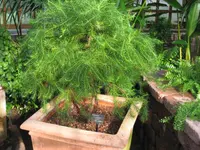
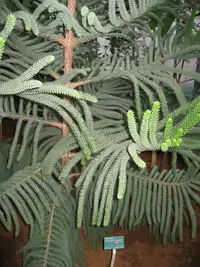
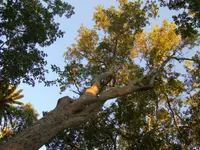
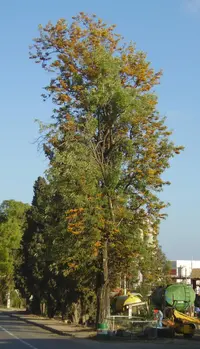
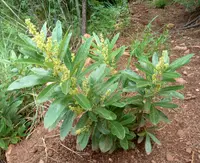
Silkoak, or Grevillea robusta, is a fast-growing evergreen tree from eastern Australia, often used as an ornamental or shade tree in warm climates. It develops a tall, upright form with finely divided, fern-like leaves and showy golden-orange flower clusters that attract birds and pollinators.

In the landscape it is usually grown outdoors, as its size and vigorous growth make long-term container culture challenging. The tree prefers full sun, well-drained soil, and moderate watering, and it tolerates short dry periods once established.

These traits make it relatively easy in suitable climates but less practical for small spaces. Understanding how to care for silkoak helps prevent issues related to its fast growth and potential surface root spread.

Main Plant Requirements

Care Difficulty

Moderate Care

Light Preference

Full Sun

Water Requirements

Moderate Water

Temperature Preference

Warm Climate

Hardiness Zone

9–11

Soil Texture

Sandy, Loamy, Rocky

Soil pH

Acidic (5.5–6.5)

Soil Drainage

Well-drained

Fertilization

Minimal (feed rarely)

Get Personalized Care Plan

Scan your plant to receive care tips personalized for your specific plant

Available on iOS and Android

How to Care for the silkoak

This fast-growing tree needs high light to develop dense, healthy foliage.

  • Provide 6–8 hours of full sun daily; strongest growth occurs with open exposure rather than shade.
  • Young silkoak trees tolerate light afternoon shade in hot climates, but too much shade leads to sparse, leggy growth and fewer flowers.
  • In very hot regions, protect from intense late-afternoon sun on exposed, dry sites to reduce leaf scorch, especially during summer droughts.

This species prefers deep, infrequent watering once established, with fast-draining soil.

  • Allow the top 5–8 cm of soil to dry before watering, then soak the root zone thoroughly so moisture reaches 20–30 cm deep.
  • Reduce watering in cool seasons; in hot, dry periods, irrigate when leaves start to lose gloss or curl slightly, a sign of mild water stress.
  • Ensure excellent drainage; soggy soil, yellowing leaves, and dieback at branch tips indicate overwatering, while brittle, browning leaf edges signal underwatering in Grevillea robusta.

This species thrives in warm, frost-free to light-frost climates.

  • Optimal growth occurs around 65–80°F (18–27°C), with stable warmth encouraging faster shoot and root development.
  • Mature trees tolerate brief drops to about 25–28°F (-4 to -2°C), but young plants can suffer damage below 30°F (-1°C), especially in exposed positions.
  • Heat tolerance is high up to about 95°F (35°C) if soil moisture is adequate; extended heat with drought increases risk of leaf scorch and stress, particularly in shallow soils.

This species tolerates a wide humidity range and rarely needs special humidity management indoors.

  • Aim for 30–50% humidity; typical indoor air suits silkoak without extra measures.
  • Dry air above heating vents can crisp new leaf tips, so keep the plant away from direct hot airflow.
  • If air drops below 30%, group plants or place the container on a pebble tray to slightly raise local humidity.

This species needs sharply drained, mineral-lean soil to avoid chronic root stress and dieback.

  • Use a sandy or sandy-loam mix with large pores, such as 50% coarse sand, 30% pine bark fines, 20% perlite.
  • Keep soil slightly acidic to neutral, around pH 5.5–7.0, which supports nutrient uptake without excess lime sensitivity.
  • Avoid heavy clay, peat-heavy mixes, or soils that stay wet for more than 2 days after watering to prevent root rot.
  • To improve aeration, blend in coarse materials (grit, chunky bark, pumice) and avoid fine compost that compacts quickly for Grevillea robusta.

This tree can grow in containers for several years if root space, drainage, and stability are carefully managed.

  • Choose a deep, heavy container that resists tipping as the plant develops a tall, woody trunk and sail-like canopy.
  • Select thick-walled clay or concrete pots outdoors to limit overheating of the root zone in full sun exposure.
  • Raise the pot slightly on feet so all drainage holes clear quickly after watering, preventing water from pooling under the root ball.

Grevillea robusta is adapted to low-fertility soils, so use light, infrequent feeding to avoid root and foliage damage.

  • Apply a low-phosphorus, balanced NPK or native-plant fertilizer at half strength once in early spring and again in mid-summer.
  • Avoid manure-rich compost; if used, apply only a thin, well-aged layer outside the trunk flare.
  • Water before and after feeding to reduce salt buildup around sensitive proteoid roots.
  • Skip fertilization in fall and winter, focusing instead on good watering and soil drainage for silkoak.

Grevillea robusta responds well to thoughtful pruning that manages height, structure, and safety.

  • Carry out main pruning in late winter to early spring before vigorous new growth starts.
  • Remove dead, damaged, crossing, or crowded branches first to improve light penetration and airflow.
  • Shorten or thin long leaders to control height and encourage a balanced, wind-stable crown.
  • Use sharp bypass pruners or a clean pruning saw, making cuts just outside the branch collar to aid healing.

Grevillea robusta is usually grown in the ground, with container culture and repotting mainly for young nursery plants.

  • Transplant in late winter to early spring when soil is workable and temperatures are mild.
  • Look for roots circling the pot, slow growth, or the plant drying out quickly as cues it has outgrown the container.
  • Shift up only 1 pot size, tease out circling roots gently, and keep the root ball as intact as possible.
  • Water deeply after planting, shade for a few days in hot climates, and maintain even moisture until new growth resumes.

Grevillea robusta is commonly propagated from both seeds and semi-hardwood cuttings under controlled conditions.

  • Sow fresh seed in late winter to early spring in a free-draining, low-phosphorus mix kept at 68–75°F.
  • Lightly cover seeds, maintain even moisture, and provide bright light to support steady germination.
  • Take semi-hardwood cuttings in late summer, 8–12 cm long, with a heel of older wood if possible.
  • Dip cuttings in rooting hormone, place in a coarse, well-aerated substrate, and maintain high humidity with bottom heat.

Grevillea robusta is frost sensitive when young and needs protection in climates colder than USDA zone 9b.

  • In-ground trees tolerate brief light frosts but may suffer damage below about 26–28°F, especially when small.
  • Mulch the root zone 5–8 cm deep, keeping mulch away from the trunk to moderate soil temperature.
  • Move container plants indoors or into a cool, bright, frost-free space before the first hard frost.
  • Use breathable frost cloth around young trees during cold snaps, removing it once temperatures rise.

Care Tips

Root training phase

For young plants in containers, tip-prune the taproot once when it reaches the pot bottom to encourage a fibrous root system that establishes faster and anchors better after planting out.

Low‑phosphorus strategy

Use only fertilizers labeled low in phosphorus and, if planting into existing beds, avoid sites recently treated with high‑P lawn or bloom fertilizers, since this species is sensitive to phosphorus buildup and can decline over time.

Wind‑hardening routine

Before planting into a windy site, expose container plants gradually to stronger air movement over 2–3 weeks and lightly stake only if necessary so the trunk can flex and develop strong taper.

Canopy lifting cuts

Once the tree is established, selectively remove lower branches over several years rather than all at once to lift the canopy, improve clearance, and reduce the risk of large limb failure.

Fuel and litter management

In fire‑prone or very dry regions, regularly remove dry seed pods and dense leaf litter from beneath the canopy to reduce fine fuel loads and improve site safety when growing silkoak.

Common Pests and Diseases

Grevillea leaf spot

This disease causes pale to dark brown spots on leaves that may merge, leading to yellowing and early leaf drop, especially in humid or overcrowded conditions.

Solution

Prune and remove affected leaves, improve airflow around the canopy, avoid overhead watering, and keep foliage dry; in persistent cases, a copper-based fungicide labeled for ornamental trees can be applied according to label directions.

Phytophthora dieback

This disease leads to wilt, progressive branch dieback, and eventual plant decline, often in poorly drained or frequently waterlogged soils.

Solution

Remove and destroy severely affected plants, improve soil drainage or plant on a mound, avoid overwatering, and keep mulch and irrigation away from the trunk; in high-risk areas, a phosphite (phosphonate) trunk or soil treatment from a professional may help protect remaining trees and is a key part of Grevillea robusta care.

Grevillea bark canker

Symptoms include sunken, cracked, or oozing lesions on stems or trunk, often associated with stress or physical damage, which can girdle branches and cause dieback above the canker.

Solution

Cut out and dispose of affected twigs or branches back to healthy wood, disinfect pruning tools between cuts, reduce plant stress by maintaining moderate watering and avoiding wounding, and improve site conditions to support recovery.

Longhorn borers

These insects bore into trunks and larger branches, leaving small round exit holes, frass (sawdust-like material), and causing structural weakness or branch dieback.

Solution

Prune and destroy infested branches, avoid trunk injuries that attract egg-laying adults, keep the tree vigorous through proper watering and fertilization, and consider physical trunk protection or trapping strategies where longhorn borers are a known local problem.

Grevillea leaf miners

These insects create winding, pale tunnels inside leaves, leading to distorted foliage and, in heavy infestations, reduced vigor in young trees.

Solution

Remove and discard heavily mined leaves, encourage natural predators by avoiding broad-spectrum insecticides, and, for ongoing problems on young trees, use a systemic insecticide labeled for leaf miners on ornamental trees following all safety and timing guidelines.

Interesting Facts

Proteoid root system

This species develops dense clusters of short lateral roots called proteoid roots that greatly increase nutrient absorption in poor, phosphorus-deficient soils, giving it a competitive advantage on degraded land.

Nectar-rich bird magnet

Its large golden-orange flower clusters produce abundant nectar that strongly attracts nectar-feeding birds such as honeyeaters in its native range, contributing significantly to pollination ecology in eastern Australia.

Valuable silky timber

The wood is light, finely figured, and often described as silky, which has led to extensive use in cabinetry, veneer, and guitar backs, and is one reason for the long history of Grevillea robusta plant care in plantation and agroforestry systems.

Botan icon

Did you know?

In many tropical and subtropical regions outside Australia, this tree has been widely planted as a living shade tree in coffee and tea plantations, forming tall, filtered canopies that protect understory crops while also stabilizing soil and providing windbreaks.

FAQs about silkoak

Growth is rapid in suitable climates. Young trees can add 1–2 m per year, then slow slightly with age. Rate depends on water, soil fertility, and root space. This fast growth is a key factor in growing silkoak successfully.

Grow Healthy Plants with Botan Care

Keep your plants happy and healthy with plant identification, disease detection, and easy care guidance.

Botan plant care app — identify plants on mobile

Explore More Plants