Formative branch selection
In the first 2–3 years, remove weak, crossing, or steeply upright interior shoots in late winter to build a stable 3–5 branch framework that resists wind and reduces future breakage.

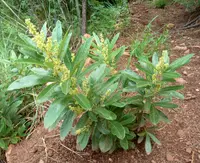
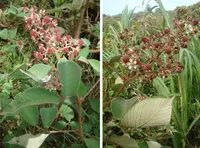
Grassveld currantrhus (Searsia discolor) is a small to medium shrub or multi-stemmed bush, valued for its fine texture and attractive foliage. Leaves are typically small, often with a slightly discolored upper and lower surface, giving the plant subtle color contrast.
This species is native to grassland and bushveld areas of southern Africa, where it grows in open, sunny, and often dry conditions. It tends to be tough and drought-tolerant once established, which can make it relatively forgiving in low-maintenance plantings.
Those learning how to care for Grassveld Currantrhus should note its preference for well-drained soil, good light, and protection from prolonged waterlogging, which helps maintain healthy growth and structure.

Care Difficulty
Easy Care

Light Preference
Full Sun

Water Requirements
Low Water

Temperature Preference
Warm Climate

Hardiness Zone
9–11

Soil Texture
Sandy, Loamy, Rocky

Soil pH
Slightly acidic (6.5–7.0), Neutral (7.0)

Soil Drainage
Well-drained

Fertilization
Minimal (feed rarely)
Scan your plant to receive care tips personalized for your specific plant
Available on iOS and Android
This evergreen shrub prefers bright, open conditions with protection from harsh extremes.
This drought-tolerant shrub prefers deep, infrequent watering once established.
This species is adapted to mild, warm-temperate climates with dry, hot summers.
Humidity is not critical, as this species is adapted to relatively dry air.
Provide free-draining, mineral-based soil that mimics a light, stony habitat.
This species can be grown in containers when provided with a stable, well-drained setup.
Searsia discolor is adapted to lean soils and usually needs only modest feeding in gardens or containers.
Searsia discolor responds well to thoughtful pruning that maintains a natural, multi-stemmed form.
This shrub or small tree is usually grown in the ground, so care focuses on correct transplanting rather than frequent repotting.
Searsia discolor can be propagated from semi-hardwood cuttings or seeds by growers who can provide warm, bright conditions.
This species is moderately cold tolerant in mild climates and usually needs only basic winter care once established.

Plant Health Check
Not sure what's wrong with your plant? Check your plant's health inside the app.
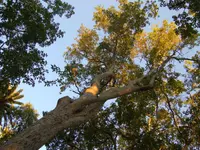
Searsia discolor is naturally common along South African rivers and streams, where its evergreen canopy stabilizes banks and provides shade and cover for birds and small mammals.
The leaves often appear darker green above and paler or slightly bluish beneath, which is reflected in the species name discolor, meaning of two colors.
Individual Searsia discolor plants are either male or female, with only female plants producing the small, berry-like drupes that feed many local bird species.

In its native range, Searsia discolor is often a key component of coastal and riverine thicket mosaics, where its dense, multi-stemmed growth helps form windbreaks and shelter corridors used by wildlife moving between fragmented habitats.
This shrub is semi-evergreen. In mild climates it keeps most foliage year-round, but in colder or drier conditions it may shed a noticeable portion of leaves, especially older ones, before flushing again in the growing season.
Keep your plants happy and healthy with plant identification, disease detection, and easy care guidance.